

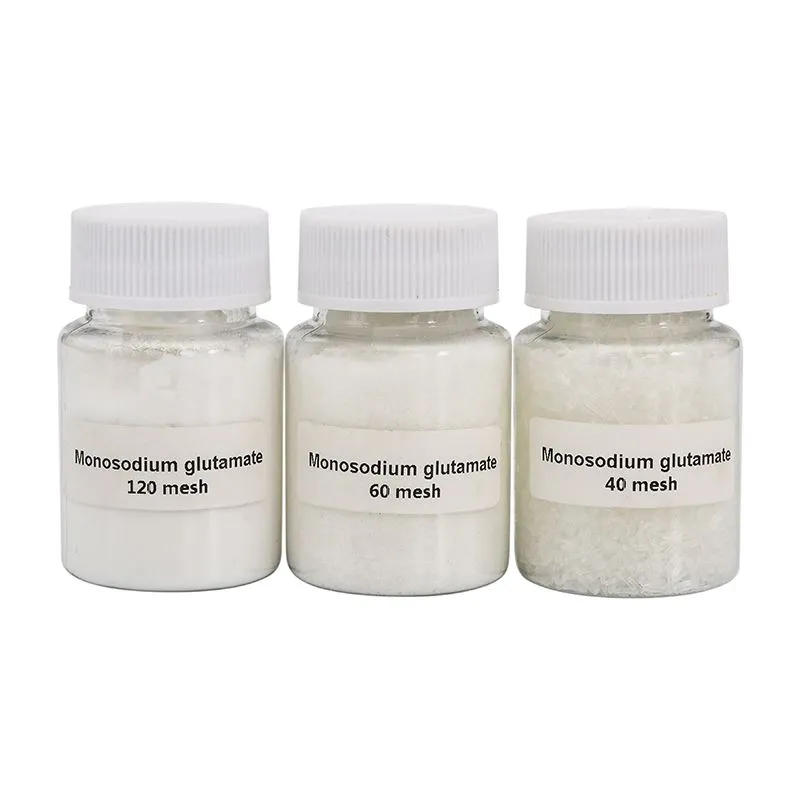


Products Description
Monosodium glutamate is mainly composed of sodium salt of glutamic acid, which is also the trade name and common name of glutamic acid sodium. It is also known as flavor powder, flavor essence, glutamic acid sodium, and di-glutamic acid sodium. It is a flavor enhancer. Its chemical formula is C5H8O4NNa, with a molecular weight of 169.111 g/mol and a melting point of 232℃. It is usually in the form of white crystals or powder, odorless, and stable to light. It can stimulate taste buds and increase the freshness of food, especially meat and vegetables. It is often added to soup stocks and meat products. Its direct nutritional value for the human body is relatively small, but the glutamic acid it provides can combine with blood ammonia to play a detoxification role. It is used clinically to treat patients with hepatic coma. Glutamic acid has two acidic groups, and only the monosodium salt of glutamic acid has a flavor. Under normal usage conditions, there is no toxicity problem. The oral median lethal dose for mice is 16200 mg/kg. 01:18
Do not add monosodium glutamate to these four dishes! Not only does it fail to enhance the flavor, but it also poses a threat to your health!
Monosodium glutamate has an extremely high level of flavor. Even when dissolved in 3,000 times its volume of water, its flavor can still be detected. However, its flavor can only be displayed when it is combined with salt. Therefore, it is not suitable to add monosodium glutamate to dishes without salt (such as beets). When using monosodium glutamate, attention should also be paid to temperature and dosage. The most suitable temperature for dissolving it is 70℃ to 90℃. If it is exposed to high temperatures for a long time, monosodium glutamate will turn into caramelized glutamic acid sodium. Not only will it lose its flavor, but it will also produce slight toxins. Additionally, glutamic acid sodium is a diprotic molecule. In alkaline solutions, it will transform into an odorless alkaline compound - glutamic acid di-sodium, and have an unpleasant smell. When the solution is acidic, it is not easily soluble and has a certain inhibitory effect on sourness. Therefore, it is not suitable to use monosodium glutamate when the dish is slightly acidic or slightly alkaline (such as sweet and sour dishes). It is not advisable or should be used sparingly in dishes with extremely good natural flavor (such as dried scallops, ham, etc.) or those made with high-quality clear soup (such as clear soup with bamboo shoots). It should not be used at all when the dish is slightly acidic or slightly alkaline (such as sweet and sour dishes). Glutamic acid was first isolated from the gluten of wheat by German scientist Reuterho in 1846. In 1908, Japanese scientist Ito Kiyoshi separated glutamic acid from kelp and discovered that the sodium salt of glutamic acid has a flavor. In 1909, Japan began to produce "Taste Essence" with glutamic acid sodium as the main component and began to sell it.
In 1921, Wu Yunchu in China began to produce monosodium glutamate. [3] In 1988, the state officially lifted the consumption restrictions on it. [4] Since the 1980s, China's monosodium glutamate production has entered a stage of rapid development and has become a major producer of monosodium glutamate in the world. In 2010, China's monosodium glutamate production reached 2.56 million tons, with an average annual compound growth rate of 11.1% from 2002 to 2010. With the continuous increase in China's monosodium glutamate production, the production technology level of the industry has also improved. In the early 1990s, there were approximately 130 monosodium glutamate production enterprises in China, with an annual output of only 223,000 tons. [5] After the integration in 2007-2008, about 30% to 40% of the production capacity of monosodium glutamate enterprises withdrew from the market. In 2009, the state further introduced policies to restrict the development of monosodium glutamate enterprises with an annual production capacity of less than 100,000 tons, reducing the total number of monosodium glutamate production enterprises to about 35 at present.
Due to the previous reports of the unsafety of using monosodium glutamate, many people still have doubts about the safety of consuming monosodium glutamate. In fact, scientists from many countries around the world have conducted in-depth research on whether monosodium glutamate is safe and have found many pieces of evidence showing that it is beneficial to human health. However, due to insufficient publicity, many people still lack a correct understanding of monosodium glutamate.
Products Details
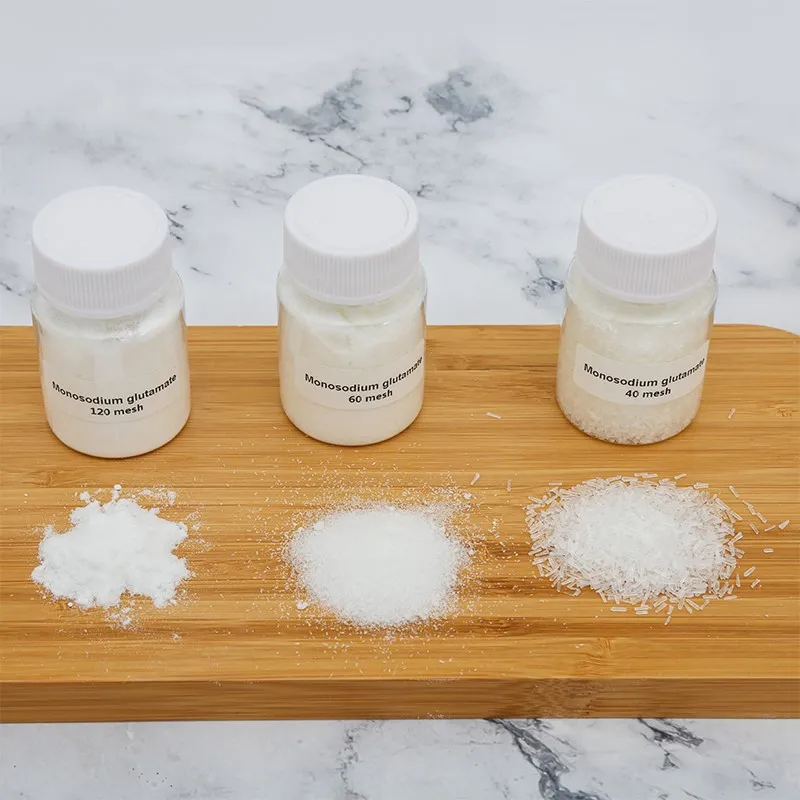
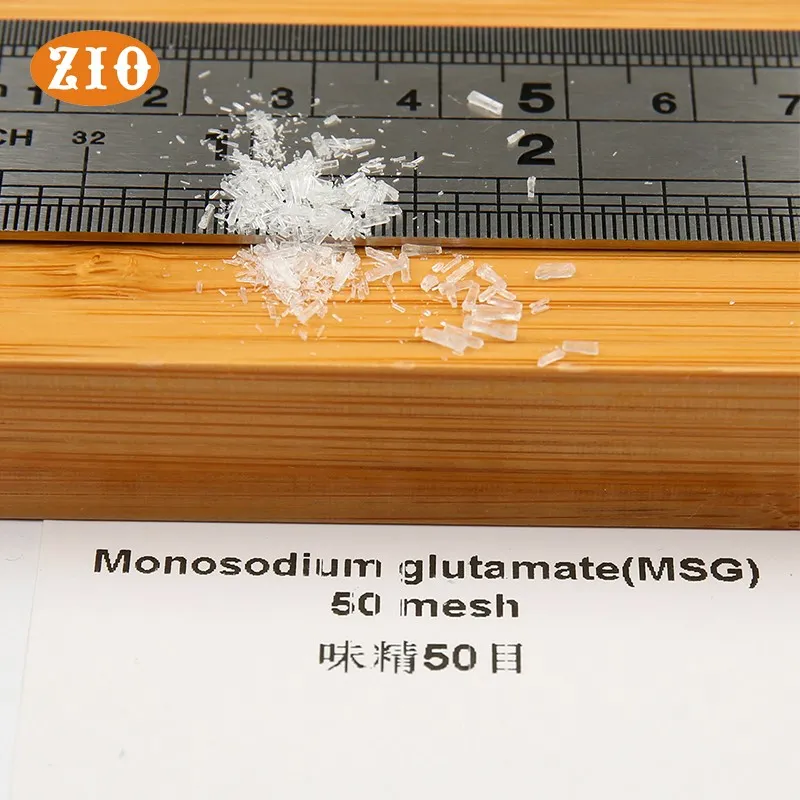
Products Qualification


Hot Tags: monosodium glutamate 20,30,40,60,80,100mesh, China monosodium glutamate 20,30,40,60,80,100mesh manufacturers, suppliers