

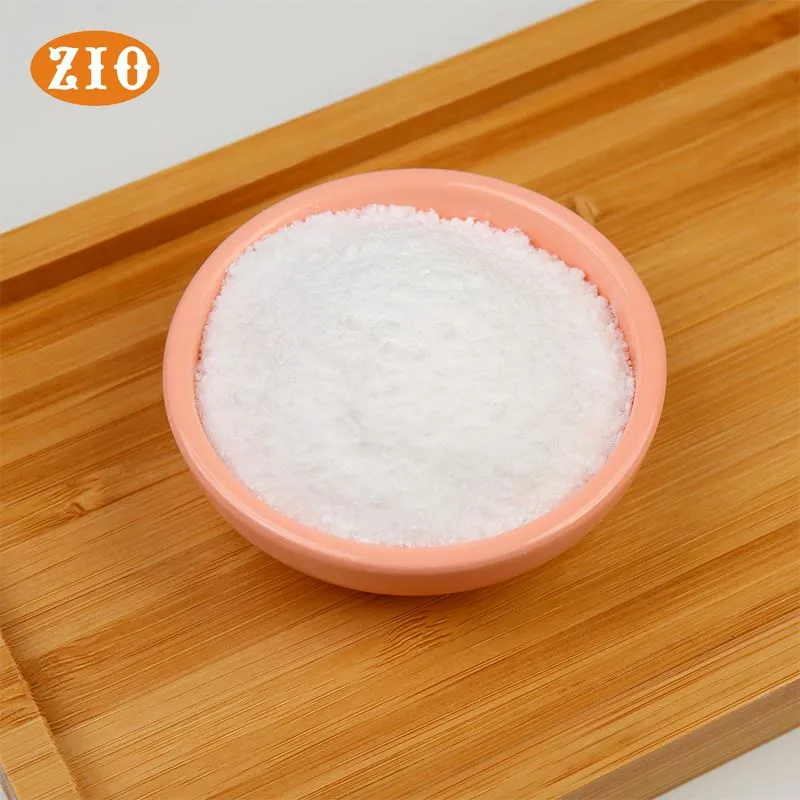


Products Description
Silicon dioxide is an inorganic compound, which is an atomic crystal. The chemical formula SiO2 represents the ratio of silicon-oxygen atoms in silicon dioxide, and it is not a molecular formula.
The chemical formula of silicon dioxide is SiO2, and it has two forms: crystalline and amorphous. Silicon atoms and oxygen atoms are arranged in a long-range ordered manner to form crystalline silicon dioxide, while short-range ordered or long-range disordered arrangements form amorphous silicon dioxide. The covalent bond of silicon-oxygen (Si-O) is one of the strongest chemical bonds discovered in nature. The Si-O covalent bonds connecting the silicon-oxygen atoms in silicon dioxide are very strong, so silicon dioxide usually exhibits many excellent physical properties, and it also has high chemical stability.
The silicon dioxide present in nature, such as quartz and quartz sand, is collectively referred to as silica.
Pure quartz is a colorless crystal. The large and transparent prismatic quartz crystals are called crystal, while those with trace impurities that appear purple are called amethyst, and those with light yellow, golden yellow, and brown colors are called smoky quartz. [2] Jades, agates, and jadeite are all colored quartz crystals containing impurities. Sand is fine-grained quartz mixed with impurities. Opal, diatomite, and amorphous silica are non-crystalline silicon dioxide.
Silicon dioxide has a wide range of applications, mainly used for making glass, sodium silicate, pottery, enamelware, refractory materials, aerogel mats, silicon iron, molding sand, elemental silicon, cement, etc. In ancient times, silicon dioxide was also used to make the glaze and body of porcelain.
Most stones are mainly composed of silicon dioxide, calcium carbonate, and other components. The melting point of crystalline silicon dioxide is 1723℃, the boiling point is 2230℃, and it is insoluble in water. Except for fluorine gas and hydrofluoric acid, silicon dioxide does not react with halogens, halogenated hydrides, and inorganic acids, but it can dissolve in hot concentrated alkali, molten strong alkali, or sodium carbonate.
In addition, at high temperatures, silicon dioxide can be reduced by coke, magnesium, etc. At room temperature, a slow reaction occurs between strong alkaline solutions and SiO2 to form silicates, so glass bottles for storing strong alkaline solutions cannot use a ground glass stopper (glass contains SiO2), otherwise, it will form viscous sodium silicate Na2SiO3, causing the stopper and the bottle mouth to bond together. Because SiO2 can react with hydrofluoric acid, glass containers cannot be used to store hydrofluoric acid.
Physical properties
Silicon dioxide forms a series of different isotopic variants, such as quartz, euhedral quartz and acicular quartz, as well as anomalous quartz, kieselguhr quartz and stishovite quartz. In particular, low-temperature quartz, which is commonly referred to as quartz, is one of the most common types and is one of the main components of the Earth's crust.
Common quartz can undergo crystal structure transformation under normal pressure to form various different variants, namely: low-temperature quartz, high-temperature quartz, low-temperature acicular quartz, medium-temperature acicular quartz, high-temperature acicular quartz, low-temperature euhedral quartz, high-temperature euhedral quartz, anomalous quartz, kieselguhr quartz, and stishovite quartz. The physical properties of different crystal forms of silicon dioxide are shown in Table 1 [4] [5]. The transformation between different crystal forms of silicon dioxide can be divided into two types: 1. Reconstructive transformation involving the breaking of chemical bonds and the formation of new bonds, which occurs between different types of crystalline silicon dioxide and has a slow conversion rate; 2. Displacement transformation between high and low-temperature forms of the same crystal structure, which does not involve the breaking and formation of chemical bonds and has the characteristics of rapid and reversible transformation.
|
Items |
Specifications |
Analysis results |
|
Appearance |
White loose powder |
White loose powder |
|
SiO2 Content % |
≥98 |
99.1 |
|
Particle size |
Not less than 85% pass 125μm |
conforms |
|
Loss on drying % |
≤5.0 |
3.75 |
|
Residue on ignition |
≤8.5 |
3.82 |
|
Arsenic (As) mg/kg |
≤3 |
<3 |
|
Heavy metal mg/kg |
≤30 |
<30 |
|
Leap(Pb) mg/kg |
≤5 |
<5 |
|
Soluble dissociated salt(Na2so4) % |
≤4 |
<4 |
Products Application
Material Uses
Silicon dioxide is used in the manufacture of glass, quartz glass, water glass, optical fibers, components for the electronics industry, optical instruments, handicrafts and refractory materials. It is also a raw material for scientific research.
When silicon dioxide is fully crystallized, it becomes crystal; after gelation and dehydration, it becomes agate; when the hydrated colloid solidifies, it becomes opal. When the silicon dioxide crystal grains are smaller than a few micrometers, they form jasper, flint, and secondary quartzite.
This mineral resource has stable physical and chemical properties. The crystal belongs to the oxide minerals of the trigonal crystal system, namely low-temperature quartz (α-quartz), and is the most widely distributed mineral species in the quartz group.
Broadly speaking, quartz also includes high-temperature quartz (β-quartz). Quartz blocks are also known as silica, and are mainly used as raw materials for producing quartz sand (also known as silica sand), as well as for quartz refractory materials and the production of silicon iron.
In addition, silicon dioxide can also be used as a lubricant, and is an excellent flow promoter. It is mainly used as a lubricant, anti-sticking agent, and flow aid.
It is particularly suitable for granulation of oils and tinctures of medicinal substances, and the resulting particles have good flowability and compressibility. It can also be used as a flow aid in direct tabletting.
As a disintegrant, it can greatly improve the fluidity of the particles, increase the bulk density, increase the hardness of the tablets produced, shorten the disintegration time, and increase the dissolution speed of the drug.
In the manufacturing of granules, it can be used as an internal drying agent to enhance the stability of the drug. It can also be used as a flow aid, clarifying agent, defoamer, and a suspending agent, thickening agent for liquid preparations.
Food Use Standards
FAO/WHO (2001) stipulated the maximum usage amount for milk powder, cocoa powder, sugar-coated cocoa powder, edible fat, cocoa butter, which is 10mg/kg; milk fat is 1g/kg; for coating purposes, sucrose powder and glucose powder, soup powder, soup blocks, the maximum usage amount is 15g/kg; for the United States FDA, the maximum limit of this product as an anti-caking agent is 2%.
Our country's GB 2760-2011 "Food Safety National Standards - Use Standards of Food Additives" stipulates its use for egg powder, milk powder, cocoa products, dehydrated protein products, sugar powder, fat-containing powder, solid beverages, and maternal and infant formula foods, with the maximum usage amount of 15g/kg; for spices and solid compound seasonings, the maximum usage amount is 20g/kg; for soybean product processing, the maximum usage amount is 0.025g/kg.
In addition, in China, tricalcium phosphate is used as an anti-caking agent, often used in milk powder and cream powder, with a maximum usage amount of 10.0g/kg; wheat flour, with a maximum usage amount of 0.03g/kg; compound seasonings, with a maximum usage amount of 20.0g/kg; solid beverages, with a maximum usage amount of 8.0g/kg; fried snack foods, with a maximum usage amount of 2.0g/kg.
Products Qualification


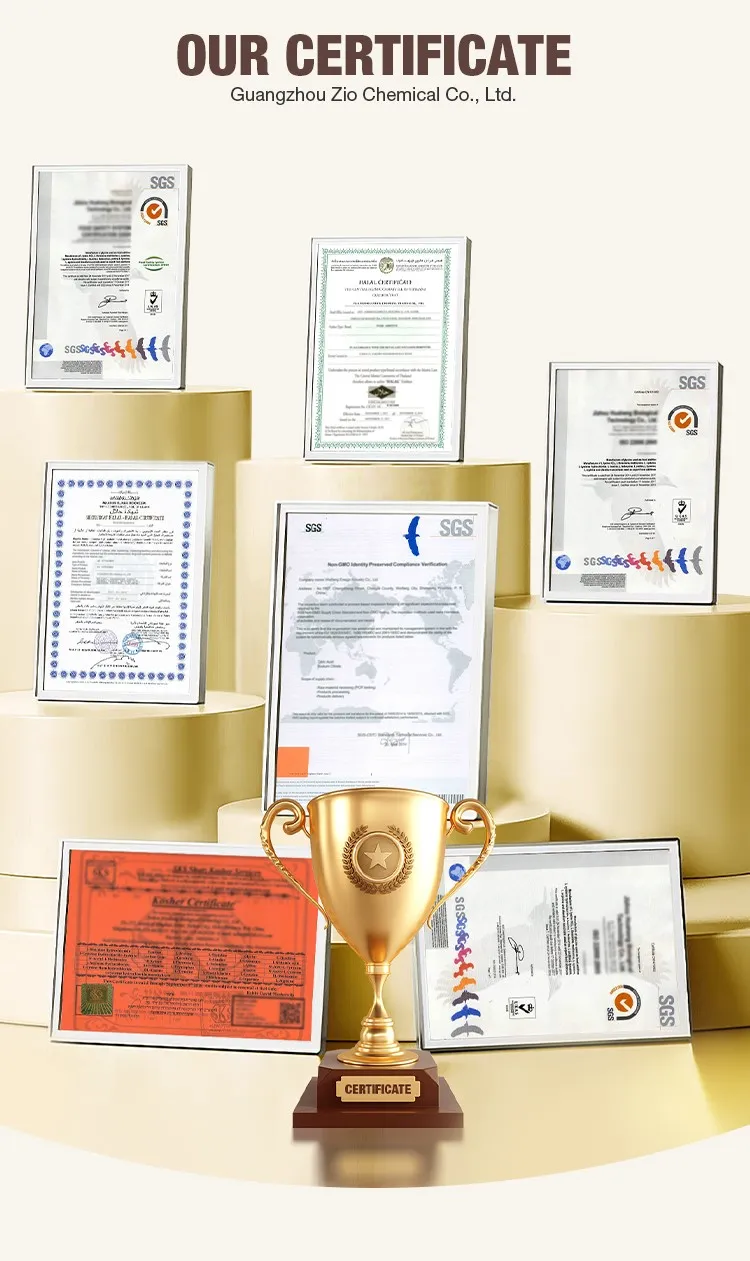



Hot Tags: silicon dioxide, China silicon dioxide manufacturers, suppliers