



Products Description
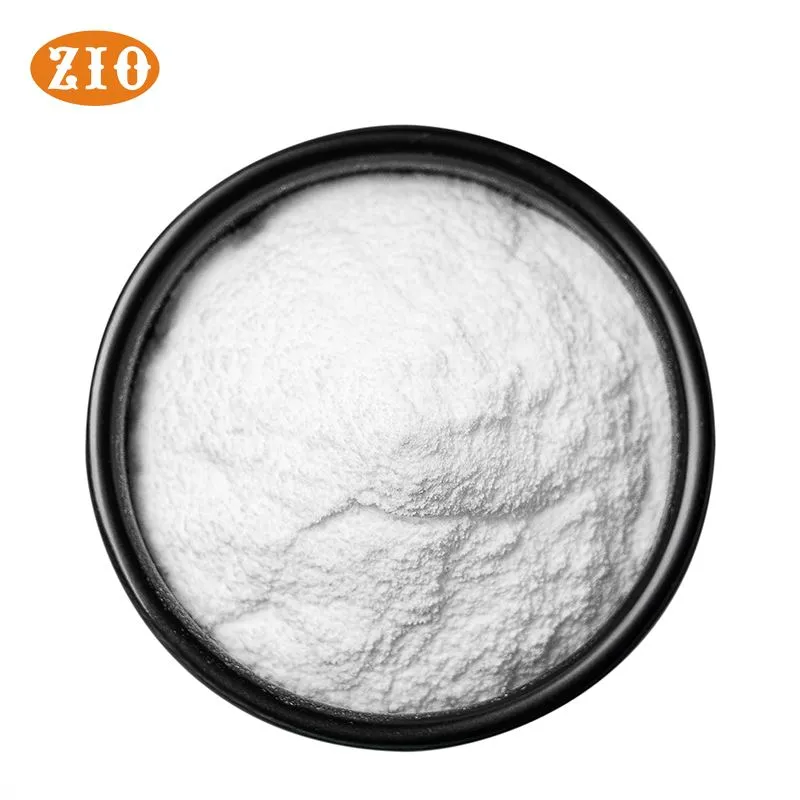
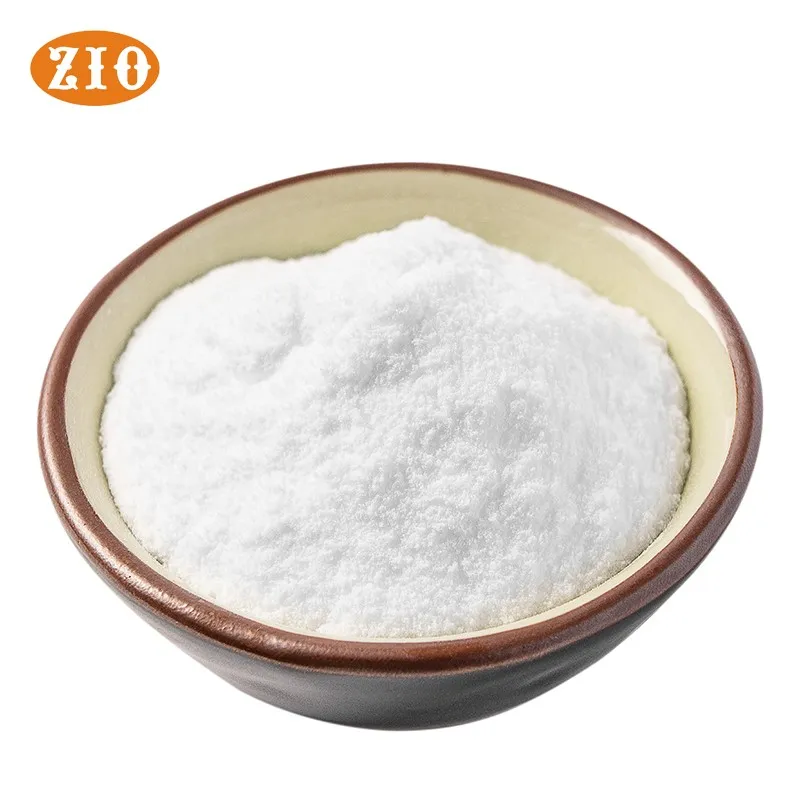
Products made from starch and with a controlled hydrolysis DE value below 20 are called maltodextrin. The definition in the United States is: a carbohydrate product obtained from the hydrolysis and spray drying of corn starch. In China, it is defined as: a starch derivative without free starch, produced by enzymatic low-degree hydrolysis, refining, and spray drying using starch or starch-based materials. Its series of products have different DE values, and common product specifications include: MD10, MD15, MD20, etc.
The physical properties of maltodextrin are directly related to its hydrolysis DE value. Therefore, the DE value not only indicates the degree of hydrolysis but is also an important indicator for understanding the product characteristics. Generally speaking, the higher the degree of hydrolysis of maltodextrin, the larger the DE value, and the greater the product's solubility, sweetness, osmoticity, fermentation ability, browning reaction, and decrease in freezing point; while the organization, viscosity, pigment stability, and anti-crystallization properties are worse.
Its raw materials are starch-containing foods such as corn and rice, or refined starches like corn starch, wheat starch, and cassava starch. The main component is dextrin, along with polysaccharides, tetra-saccharides or oligosaccharides of four or more sugars, and also contains a small amount of maltose and glucose.
|
Items |
Specifications |
Analysis results |
|
Appearance |
White powder of with little yellow shadow has no fixed shape. |
Conforms |
|
Odor |
Special smell of Maltodextrin and no exceptional smell. |
Conforms |
|
Taste |
Sweetness or little sweetness, no other taste |
Conforms |
|
Iodine reaction |
No blue reaction |
Conforms |
|
DE value |
10~15 |
13.2 |
|
Moisture, % |
≤6.0 |
5.3 |
|
Sulphated Ash, % |
≤0.6 |
0.2 |
|
PH value(in 50% water solution) |
4.5~6.5 |
5.20 |
|
Total Solid (Solubility),% |
≥99.5 |
99.8 |
|
E-Coliforms, unit/100g |
≤30 |
<30 |
|
Yeast, unit/g |
≤150 |
50 |
|
Mould, unit/g |
≤150 |
50 |
|
Total plate count,cfu/g |
≤3000 |
10 |
|
Arsenic,mg/kg |
≤0.5 |
Conforms |
|
Lead, mg/kg |
≤0.5 |
Conforms |
Products Application
The composition of maltodextrin is closely related to its hydrolysis process, starch type, and the presence of other components in the starch (such as proteins, fats, etc.). Different DE values of maltodextrin have different functions and properties: such as thickening, gelation, reducing the sweetness of the product, changing the freezing point of the system, inhibiting ice crystal growth, replacing fat, reducing heat energy, improving texture, and being used as a spray agent or drying carrier, etc. Maltodextrin is widely used in food production and has a very broad market prospect. How to utilize maltodextrin is one of the topics of interest for food production technicians. The application characteristics of maltodextrin are closely related to its structure and sugar composition. It is far from enough to guide the application of maltodextrin only by its DE value. Even maltodextrin with the same DE value may have completely different functional properties. With the increase in the functional requirements of maltodextrin, changing the fine structure of maltodextrin through enzymatic methods to produce maltodextrin with customized sugar composition and establishing the relationship between sugar composition and the functional properties of maltodextrin will become the research focus in the development of maltodextrin.
1. For increasing viscosity, enhancing product dispersibility and solubility, maltodextrin has good emulsifying and thickening effects. It is used to thicken, absorb odors, improve taste, and extend shelf life in soy milk, instant oatmeal, and malt milk; to increase the rich, delicate, and rich flavor in milk tea, fruit crystals, instant tea, solid tea, margarine, and coffee mixtures; to enhance emulsification, make products stable and not prone to sedimentation in coconut milk, peanut and almond drinks, and various dairy beverages; to enhance thickening, improve structure, appearance, and flavor in various canned or soup-based food products.
2. For inhibiting browning reaction
When there is a large amount of reducing sugar and protein in the food system, high-temperature treatment can easily cause browning reaction. Due to the low DE value of maltodextrin, the degree of browning reaction is small, and it can be used as an inert encapsulation material for sensitive chemical substances, such as fragrances, flavors, and drugs, for microencapsulation.
3. As a carrier and coating for preservation
The aqueous solution of maltodextrin has no taste and strong combination and adhesion, and can be used as an excellent carrier for various sweeteners, flavorings, fillers, and pigments, ensuring the pure flavor of the carried substances. The maltodextrin with a lower DE value has strong film-forming or coating performance and can be used for fruit coating preservation.
4. For preparing functional foods
Maltodextrin is easily absorbed by the human body and can be used in functional milk powders for athletes, patients, and infants, such as sugar-free milk powder and sports drinks. It makes the product expand in volume, not prone to clumping, soluble, and has good solubility, improving the nutritional ratio.
5. For lowering the freezing point;
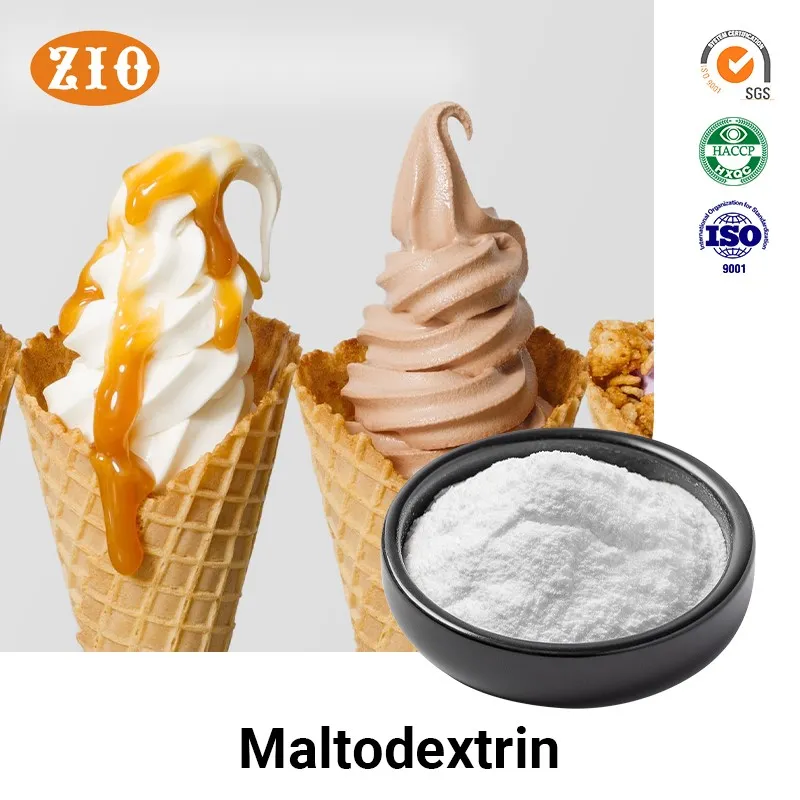
In ice cream, ice cubes, and popsicles, the freezing point of the product can be changed without changing the content of soluble solids in the system, inhibiting ice crystal growth, making ice particles expand and be delicate, with good viscosity, mild sweetness, and a clean and pleasant taste, and extending the shelf life.
6. For reducing the sweetness of the system
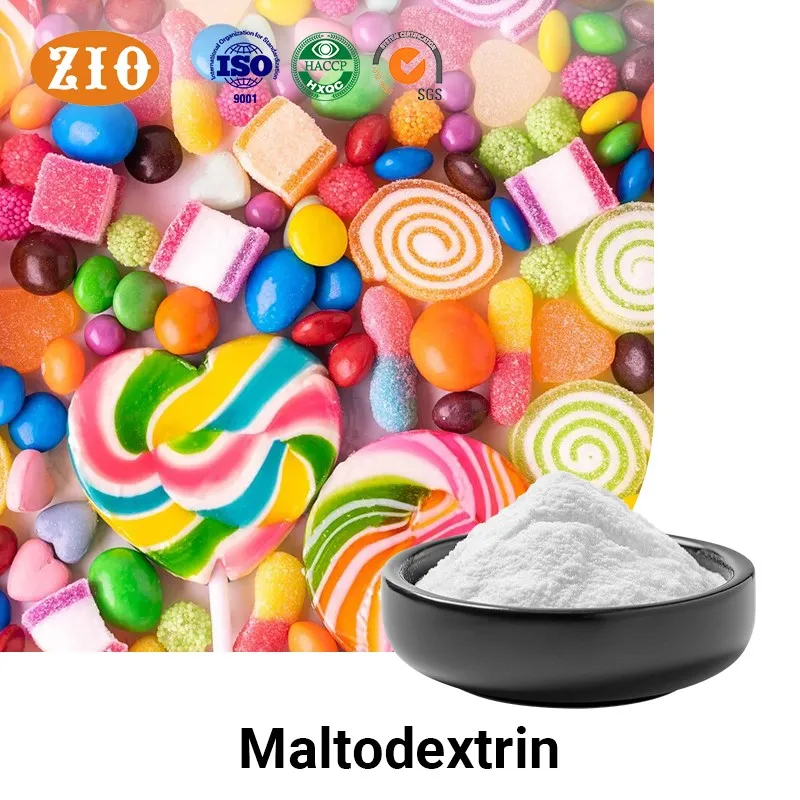
Adding maltodextrin to candies can reduce the sweetness of the system and also increase the toughness of the candy, prevent re-crystallization and melting, improve the flavor of the system, and extend the shelf life. This is also of positive significance for preventing dental caries, hypertension, and diabetes.
7. As a substitute for fat
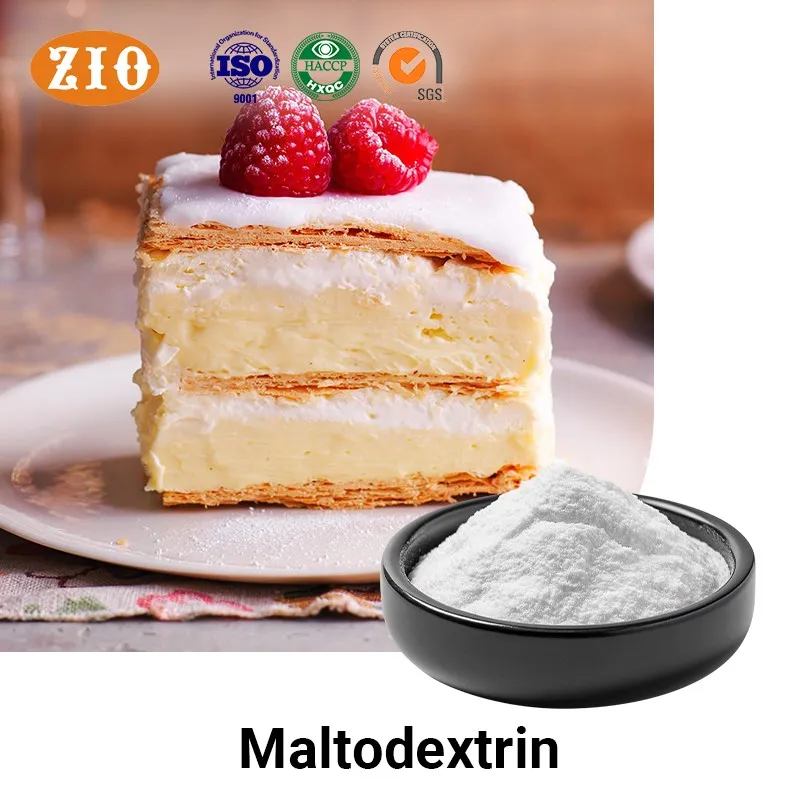
Maltodextrin can form a gel structure and retain moisture, and is often used as a texture improvement agent. When the DE value is 3-5, it can produce a texture and taste similar to fat, and is a high-quality fat substitute. It is commonly used as a fat substitute in salads, ice cream, sausages, etc. It can also have the function of replacing fat in powdered oils.
8. For improving the structure and appearance of food
In biscuits or other convenient foods, it makes the product not sticky to the teeth, does not leave residue, has clear and smooth shape and appearance, reduces defective products, and extends the shelf life.
9. Application in encapsulation
Maltodextrin is one of the good wall materials for food microencapsulation. Microcapsule technology has been widely applied in fields such as biology, medicine, food, pesticides, and cosmetics.
Products Details
Products Qualification





Hot Tags: maltodextrin de 20 的10-15, China maltodextrin de 20 的10-15 manufacturers, suppliers