

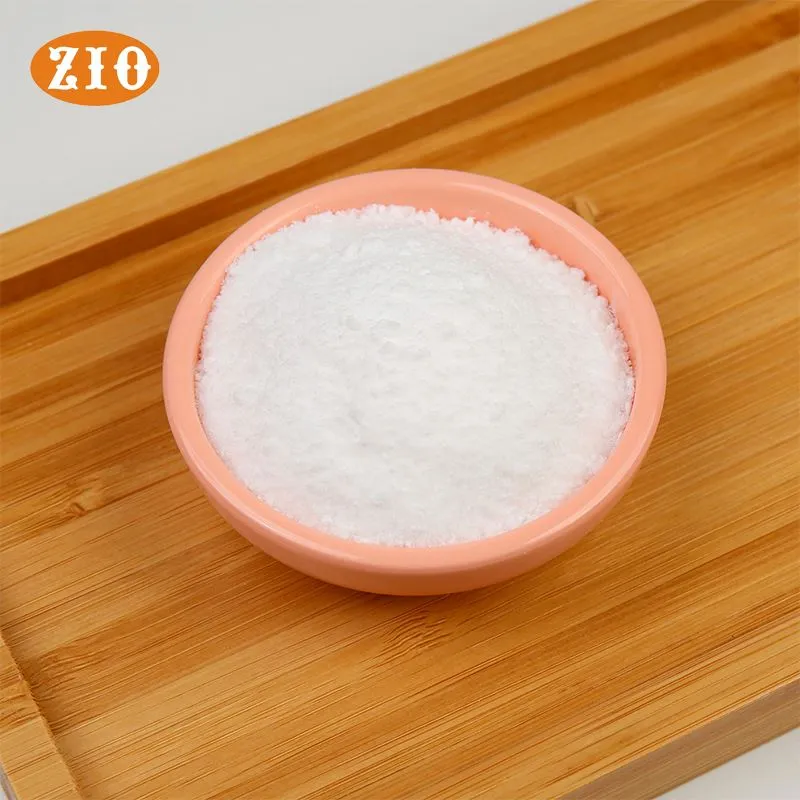


Products Description
Product Name:Sodium propionate,
Other Name:Sodium propionate; propionic acid sodium type I; propionic acid sodium insect cell*culture tested; Propanoic acid, sodium salt; sodium propanoate; calcium dipropanoate; propanoate
CAS.: 137-40-6,
Molecular weight: 96.06,
Molecular formula: C3H5O2Na.
Properties: Transparent granules or crystals, with a distinct odor. It deliquesces in humid air and is soluble in water, slightly soluble in alcohols. It is a salt substance in the acid-base salts category. Melting point: 285 - 286℃, water solubility: 995g/L (20℃).
It is highly soluble in water (15℃: 100, 100℃: 150), soluble in ethanol (15℃: 4.4, 100℃: 8.4), and slightly soluble in acetone (15℃: 0.05). It is the most active in acidic conditions, generating free acetic acid, and has antibacterial properties. It has a wide range of antibacterial effects against molds, yeasts, and bacteria. Its antibacterial characteristics are the same as acetic acid. [1] It can be used as a preservative and anti-mildew agent for pastries, soy products, dumpling wrappers, wonton wrappers, sliced noodles, cheese, etc. In the processing of rambutan canned food, it is used for soaking rambutans. It can inhibit the formation of undesirable viscous substances in beer production. The usage and dosage: recommended dosage 0 - 2.5g/kg. According to the "Food Additive Use Hygiene Standard" (GB 2760 - 2011), it can be used in pastries, with a maximum usage of 2.5g/kg; in raw flour wet products (sliced noodles, wonton wrappers), the maximum usage is 0.25g/kg (calculated by acetic acid); for soaking rambutans, the maximum usage is 50g/kg (calculated by acetic acid). Generally, 3% - 5% sodium acetic acid solution is used to soak rambutans, and it needs to be washed before being used for processing rambutan canned food. Sodium acetic acid is almost non-toxic to the human body. The oral LD50 of mice is 5100mg/kg. There is no restriction on the ADI. Quality standard: GB 25549 - 2010 replaces HG 2922 - 1999 and GB 7656 - 1987. Content (by dry basis): 99.0% - 100.5%; drying loss ≤ 1.0%; iron ≤ 0.003%; arsenic ≤ 0.0003%; heavy metals ≤ 0.0004%; alkalinity (by sodium carbonate): determined through tests. Sodium acetic acid can be produced by neutralizing acetic acid solution with sodium hydroxide or sodium carbonate. It can also be used for the treatment of skin mycosis and the determination of transaminase, etc.
Products Application
1. Sodium propionate wet acid type preservative. Its antibacterial effect is influenced by the environmental pH. The minimum inhibitory concentration is 0.01% at pH 5.0 and 0.5% at pH 6.5. In acidic medium, it has a strong inhibitory effect on various molds, aerobic spore-forming bacteria or Gram-negative bacteria. It has a specific effect in preventing the production of aflatoxin, but is almost ineffective against yeast. In addition, it is also used as a food preservative.
2. In tanning, it is used as a binder to enhance the alkali resistance of leather and the uniformity of tanning. [4]
3. Sodium acid is also an acid-type food preservative. Its antibacterial effect is influenced by the environmental pH value. At a pH value of 5.0, the minimum inhibitory concentration is 0.01%, and at a pH value of 6.5, it is 0.5%. In acidic media, it has a strong inhibitory effect on various molds, Gram-negative bacilli, or aerobic spore-forming bacteria. It has a specific effect in preventing the production of aflatoxins and is almost ineffective against yeast. In the food industry, it can be used for the preservation of pastries, with a usage amount of 2.5g/kg (based on propionic acid, the same below); in a 3% to 5% aqueous solution, the maximum usage amount in ripening plums is 50g/kg. It can also be used as a preservative for feed.
4. Food, feed, and preservatives and fungicides. The general addition amount is 0.1-0.3%.
5. Cosmetics preservatives. It has antibacterial effects against molds, yeasts, and has a wide range of antibacterial effects. Its antibacterial effect is particularly obvious in acidic solutions. The addition amount in cosmetics is usually no more than 2%. Insecticides, fungicides. Measurement of transaminase. In tanning, it is used as a binder to improve the alkali resistance and uniformity of tanning in leather.
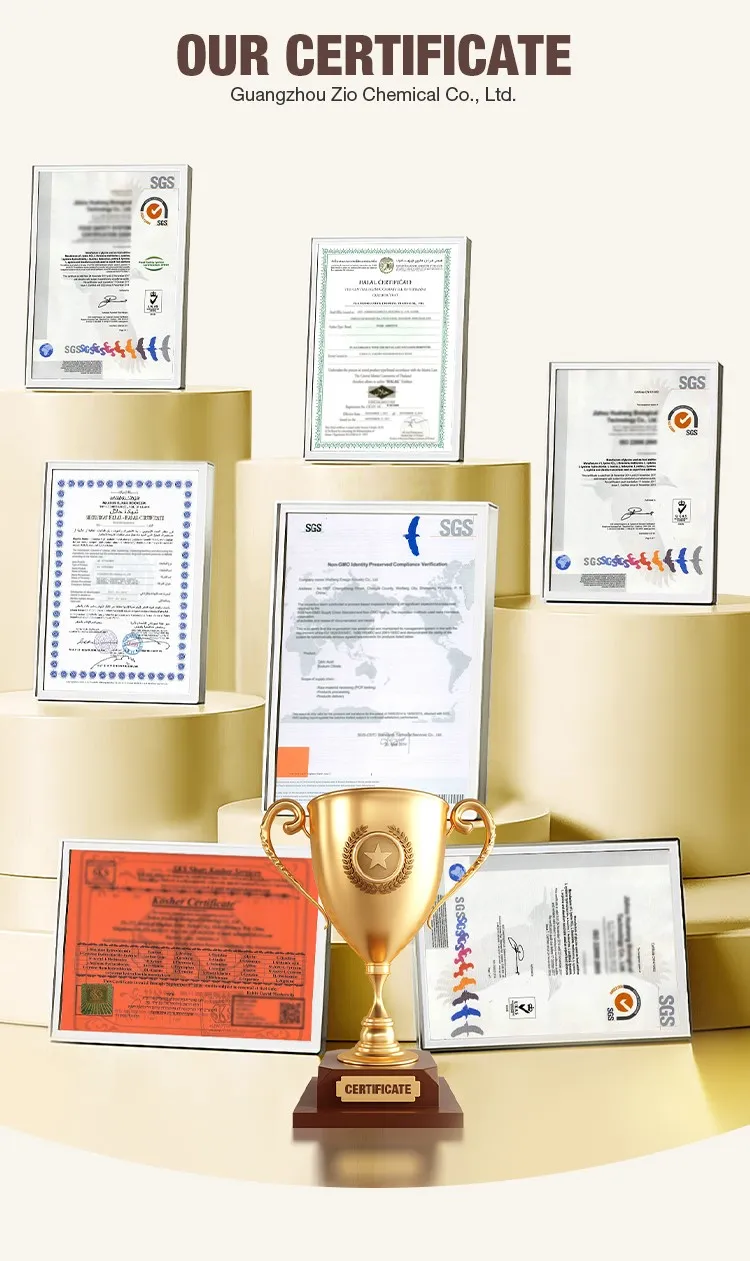
Products Qualification




Hot Tags: sodium propionate, China sodium propionate manufacturers, suppliers