

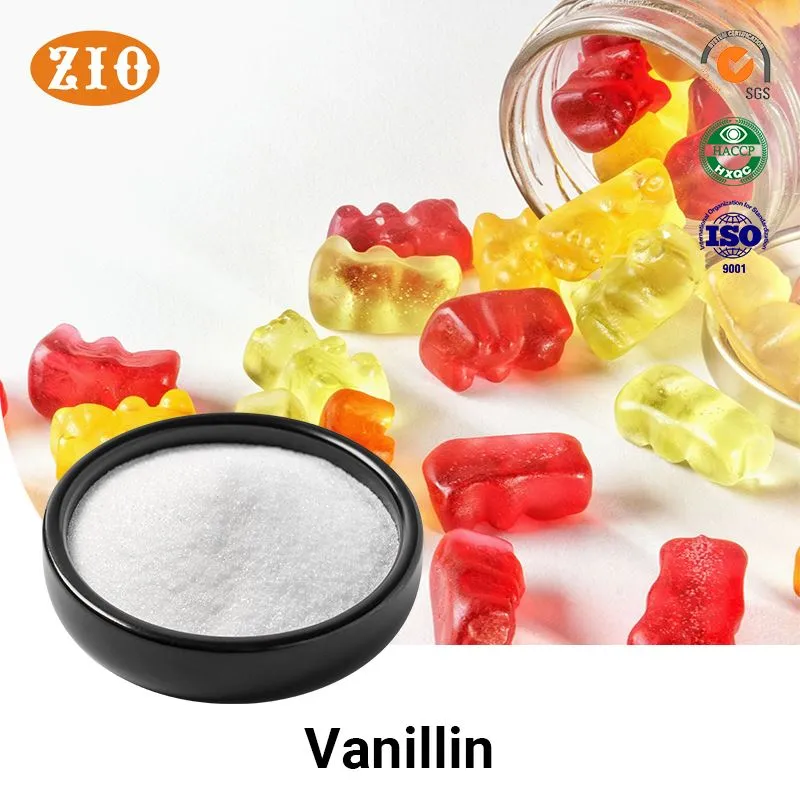


1. Product Introdution
Product name: Food Grade Flavor Enhancer Ethyl Vanillin Enhances and Stabilizes Flavor
EINECS No.:204-465-2
Dosage Form:Powder
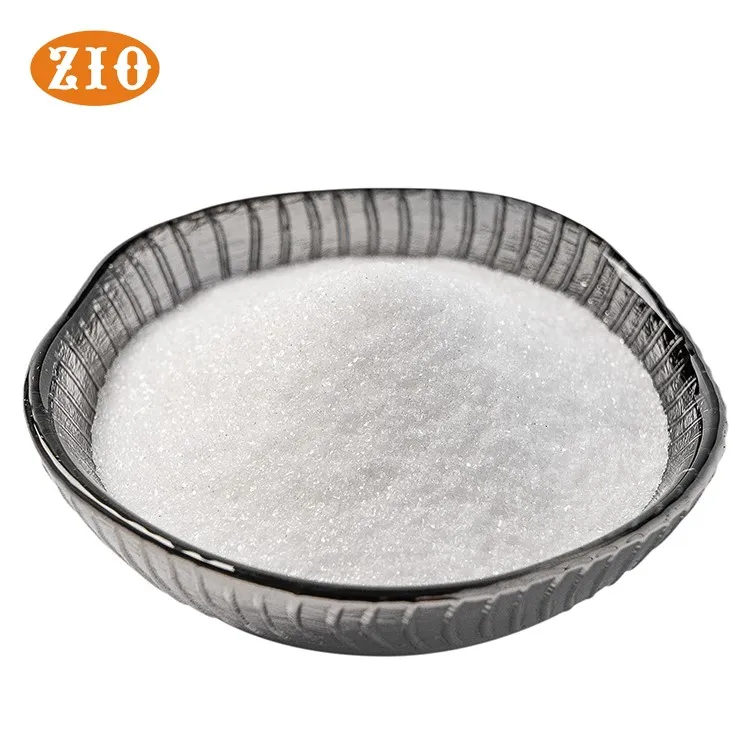
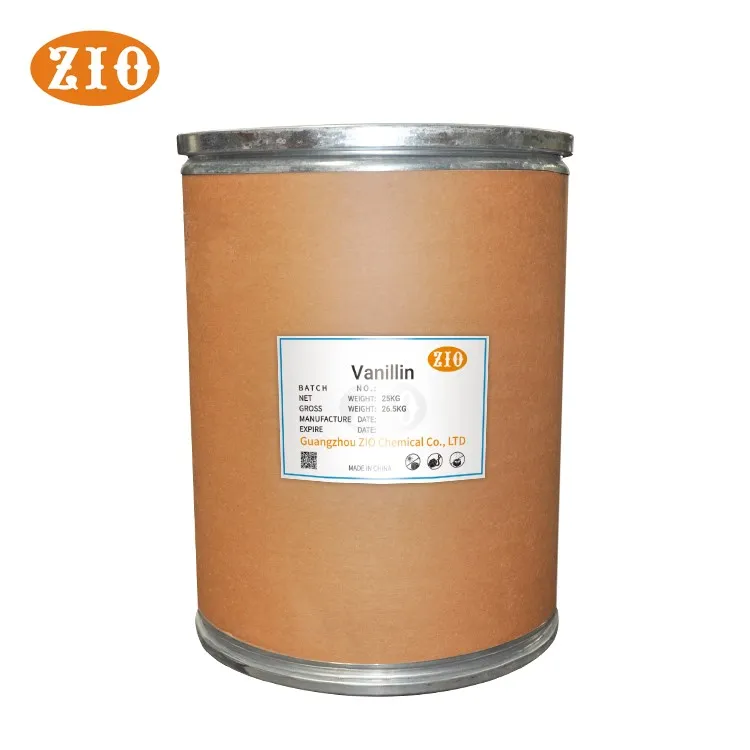
Appearance:White crystalline powder
Purity:99% Min
Molecular weight:152.15
Vanillin, also known as vanillin aldehyde, has the chemical name 3-methoxy-4-hydroxybenzaldehyde. It is an organic compound extracted from the orchid plant Vanilla planifolia. It is a white to slightly yellow crystalline or crystalline powder, slightly sweet, soluble in hot water, glycerin and alcohol, but not easily soluble in cold water and vegetable oil. Its aroma is stable and does not easily volatilize at higher temperatures. It is prone to oxidation in the air and easily changes color when encountering alkaline substances.
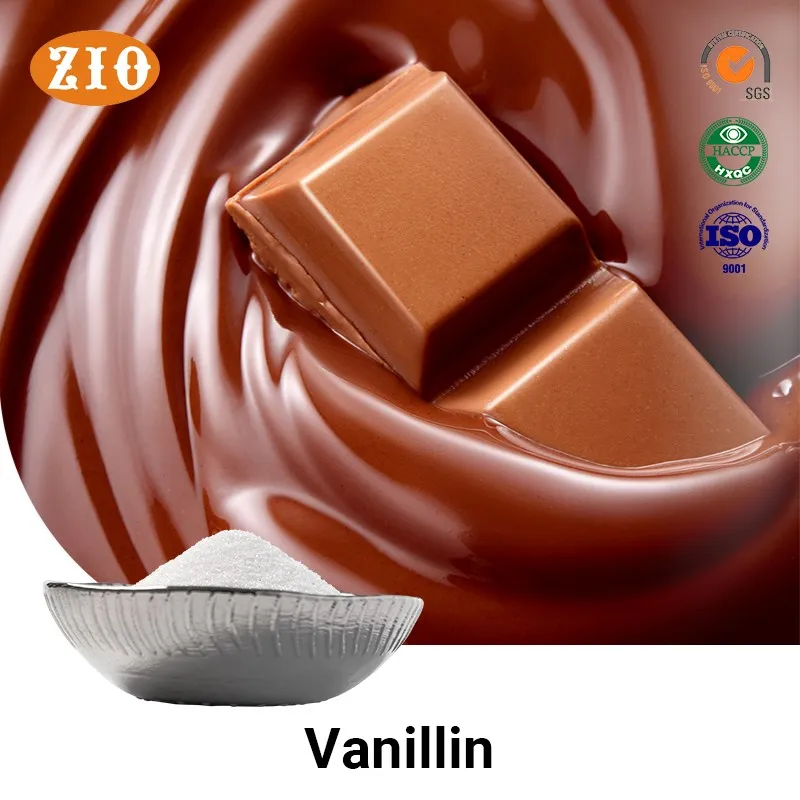
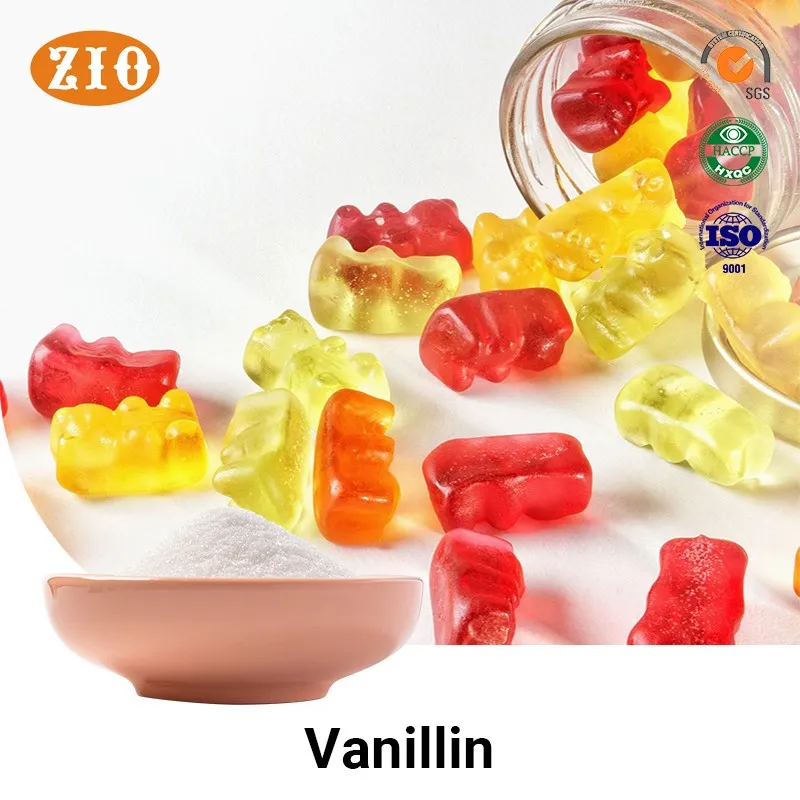
Vanillin has the aroma of vanilla beans and a rich milk flavor, and it serves to enhance and stabilize the fragrance. It is widely used in cosmetics, tobacco, pastries, candies, and baked foods, and is one of the largest synthetic fragrance varieties in global production. The industrial production of vanillin has a history of over 100 years. The recommended dosage of vanillin in final flavored foods is approximately 0.2 - 20,000 mg/kg. According to the regulations of the Chinese Ministry of Health, vanillin can be used in infant formula foods, infant formula cereals, and infant cereal-based foods (except infant formula cereal powder), with maximum usage amounts of 5 mg/mL and 7 mg/100g respectively. Vanillin can also be used as a plant growth promoter, a fungicide, an oil dispersant in lubricants, and an important intermediate in synthetic drugs and other fragrances. In addition, it can be used as a polishing agent in electroplating industries, a ripening agent in agriculture, an odor eliminator in rubber products, an anti-hardening agent in plastic products, and as a pharmaceutical intermediate. Its applications are very extensive.
|
Items |
Specifications |
Analysis results |
|
Color |
White to pale yellow crystal like, or powder |
Conforms |
|
Odor |
Similar taste of vanilla |
Conforms |
|
Loss on drying (%) |
≤0.5 |
0.06 |
|
Melting point (℃) |
81.0~83.0 |
81.3 |
|
Solubility in ethanol (25Deg c) |
1g completely soluble into 2ml 95% ethanol makes transparent solution |
Conforms |
|
Heavy metal (pb) (mg/kg) |
≤10 |
<10 |
|
As content (mg/kg) |
≤3 |
<3 |
|
Purity (%) |
≥99.5 |
99.95 |
2. Application
Food preservatives are divided into two categories: natural preservatives and chemical preservatives. They are used in food production, distribution, storage and other processes to maintain the sensory properties of food, enhance its edible value, and extend the storage time. Compared with chemical preservatives, natural preservatives have advantages such as being environmentally friendly, having lower production costs, good biocompatibility, and excellent preservation effects. Vanillin in food can be accurately detected by conventional methods such as ultraviolet-visible spectrophotometry, chromatography, and electrophoresis. It is a relatively safe food preservative. The application of vanillin in food storage and preservation can be divided into aspects such as antibacterial, antioxidant, stabilizing other components in food, and inhibiting respiratory rate.
Antibacterial
Vanillin is a natural antibacterial agent. In the food industry, it is often used in combination with other antibacterial methods to achieve better results. Moreover, the antibacterial effect of vanillin varies for different bacterial strains. The antibacterial effect of vanillin is related to its concentration and pH value. Higher concentrations of vanillin and lower pH values are conducive to enhancing the antibacterial effect of vanillin. The antibacterial effect of vanillin varies for different bacterial strains. Compared to other bacterial strains, vanillin has a better antibacterial effect on Escherichia coli. Vanillin has an inhibitory effect on various yeast strains. High concentrations of vanillin are beneficial for enhancing its antibacterial effect, but high concentrations of vanillin cannot immediately kill the yeast. Complementary preservation realizes the synergistic effect among preservatives (or preservation methods), and is a widely accepted preservation method for fruits and vegetables. The antibacterial effects of different spices often have a synergistic effect and the dosage is smaller than that of using them alone. For example, for preventing Aspergillus niger contamination, the effective bactericidal dose of vanillin used alone is 0.5%, while a mixture of 0.05% vanillin and 0.0025% cinnamaldehyde can exert a bactericidal effect.
Vanillin also plays an important role in assisting in the inhibition and killing of bacteria. In the current production process, thermal sterilization remains the most common sterilization method in juice processing, and the common treatment methods are pasteurization and high-temperature instantaneous sterilization. The traditional sterilization methods often lead to problems such as the destruction of nutrients in the juice and product browning.
Antioxidation
The mechanisms of action of structurally similar antioxidants vary. Coumarin mainly accelerates the removal of free radicals through the oxidation product vanillic acid. The antioxidant effect of coumarin can significantly extend the shelf life of oil-containing foods and mask the rancid taste. The isomer of coumarin, 3-methoxy-2-hydroxybenzaldehyde (neocoumarin), has been proven to have the ability to remove peroxynitrite anions, but it is not a very good free radical scavenger.
Stabilizing other components in food
Previous studies have shown that the reaction products of vanillin can help stabilize other components in food: Resveratrol is a natural functional component. To enhance its stability and fully exert its functional effects, the network-shaped chitosan microspheres formed by the reaction of vanillin with chitosan can encapsulate resveratrol, which helps control the release of resveratrol; The condensation product of vanillin with amino groups has a good ability to complex with metal ions and can effectively improve the stability of the encapsulated substances.
3. Product Details
4. Company Qualification



Hot Tags: food grade flavor enhancer ethyl vanillin enhances and stabilizes flavor, China food grade flavor enhancer ethyl vanillin enhances and stabilizes flavor manufacturers, suppliers