One-Stop Food Additive Solutions for Global Food Manufacturers
ZIO is a professional food additive manufacturer and global ingredient supplier, providing one-stop sourcing solutions for food manufacturers, importers, distributors, brand owners, and contract manufacturers worldwide.
-
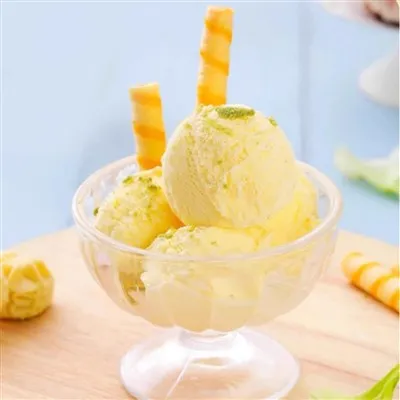
![Mango flavor Ice Cream Powder]() Mango flavor Ice Cream PowderMango Ice Cream Powder is a compound powdered ingredient used for mango-flavored ice cream and frozen dessert production.view more
Mango flavor Ice Cream PowderMango Ice Cream Powder is a compound powdered ingredient used for mango-flavored ice cream and frozen dessert production.view more -
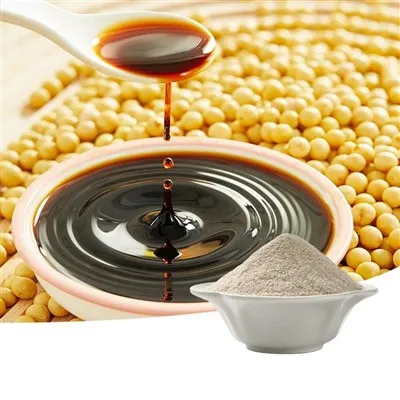
![Food Grade Soy Sauce Seasoning Powder]() Food Grade Soy Sauce Seasoning PowderFood Grade Soy Sauce Seasoning Powder is a powdered seasoning ingredient made from brewed soy sauce, designed for compound seasonings and food manufacturing applications.view more
Food Grade Soy Sauce Seasoning PowderFood Grade Soy Sauce Seasoning Powder is a powdered seasoning ingredient made from brewed soy sauce, designed for compound seasonings and food manufacturing applications.view more -
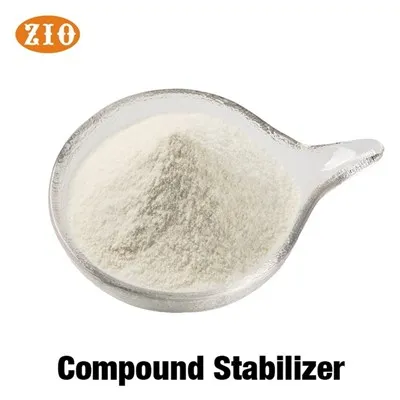
![Jelly Pudding Compound Stabilizer Powder]() Jelly Pudding Compound Stabilizer PowderJelly & Pudding Compound Stabilizer Powder is a compound food ingredient used in jelly and pudding production to provide the required gel texture and filling performance.view more
Jelly Pudding Compound Stabilizer PowderJelly & Pudding Compound Stabilizer Powder is a compound food ingredient used in jelly and pudding production to provide the required gel texture and filling performance.view more -
![Coated Vitamin C]() Coated Vitamin CCoated Vitamin C is a stabilized form of L-ascorbic acid produced using advanced coating technology. The protective coating improves resistance to moisture, oxygen, heat, and light, helping maintain vitamin activity during processing,...view more
Coated Vitamin CCoated Vitamin C is a stabilized form of L-ascorbic acid produced using advanced coating technology. The protective coating improves resistance to moisture, oxygen, heat, and light, helping maintain vitamin activity during processing,...view more -
![Citric Acid Monohydrate Acidity Regulators]() Citric Acid Monohydrate Acidity RegulatorsFood Grade Citric Acid Monohydrate is an organic acid ingredient containing crystal water, used for acidity adjustment, flavor balancing, and formulation acidity control in food and beverage processing.view more
Citric Acid Monohydrate Acidity RegulatorsFood Grade Citric Acid Monohydrate is an organic acid ingredient containing crystal water, used for acidity adjustment, flavor balancing, and formulation acidity control in food and beverage processing.view more -
![Citric Acid Anhydrous Food Grade]() Citric Acid Anhydrous Food GradeFood Grade Citric Acid Anhydrous is a food acidity regulator used to adjust pH, enhance sourness, and improve formulation stability in food, beverage and nutritional applications.view more
Citric Acid Anhydrous Food GradeFood Grade Citric Acid Anhydrous is a food acidity regulator used to adjust pH, enhance sourness, and improve formulation stability in food, beverage and nutritional applications.view more -
![Citric Acid Anhydrous 30-100mesh]() Citric Acid Anhydrous 30-100mesh30-100 Mesh Anhydrous Citric Acid is a food-grade fine granular organic acid used for acidity adjustment, preservation, and dry blend formulations in food and beverage processing.view more
Citric Acid Anhydrous 30-100mesh30-100 Mesh Anhydrous Citric Acid is a food-grade fine granular organic acid used for acidity adjustment, preservation, and dry blend formulations in food and beverage processing.view more -
![Citric Acid Monohydrate 8-40 Mesh]() Citric Acid Monohydrate 8-40 MeshCitric Acid Monohydrate (8–40 Mesh) is a food-grade organic acid widely used as an acidulant, pH regulator, and chelating agent in food, beverage, and industrial formulations.view more
Citric Acid Monohydrate 8-40 MeshCitric Acid Monohydrate (8–40 Mesh) is a food-grade organic acid widely used as an acidulant, pH regulator, and chelating agent in food, beverage, and industrial formulations.view more -
![Instant Fruit-flavored Drink Powder Mango Orange Kiwi]() Instant Fruit-flavored Drink Powder Mango Orange KiwiPremium instant mango-flavored drink powder made from concentrated fruit puree for beverage, dairy, and bakery formulations.view more
Instant Fruit-flavored Drink Powder Mango Orange KiwiPremium instant mango-flavored drink powder made from concentrated fruit puree for beverage, dairy, and bakery formulations.view more -
![Food Grade Chilli Red Colorant]() Food Grade Chilli Red ColorantFood-grade Chilli Red Colorant is a natural food coloring extracted from chili peppers for coloring food, beverage, and seasoning formulations.view more
Food Grade Chilli Red ColorantFood-grade Chilli Red Colorant is a natural food coloring extracted from chili peppers for coloring food, beverage, and seasoning formulations.view more -
![Refined Coconut Oil Virgin Coconut Oil]() Refined Coconut Oil Virgin Coconut OilAt ZIO Ingredients, we source our coconuts from premium plantations to offer two distinct grades of coconut oil, each optimized for specific industrial applicationsview more
Refined Coconut Oil Virgin Coconut OilAt ZIO Ingredients, we source our coconuts from premium plantations to offer two distinct grades of coconut oil, each optimized for specific industrial applicationsview more -
![Lemon Essential Oil]() Lemon Essential OilOur Lemon Essential Oil is a 100% natural aromatic oil cold-pressed or steam-distilled from premium lemon (Citrus limon) peels. Characterized by its bright, light-yellow to yellow liquid appearance, it delivers an intensely fresh, crisp...view more
Lemon Essential OilOur Lemon Essential Oil is a 100% natural aromatic oil cold-pressed or steam-distilled from premium lemon (Citrus limon) peels. Characterized by its bright, light-yellow to yellow liquid appearance, it delivers an intensely fresh, crisp...view more


Technical Specifications
|
Item |
Description |
|
Product Category |
Food Additives |
|
Product Forms |
Powder, Granule, Crystal, Liquid |
|
Functions |
Preservation, Sweetening, pH Adjustment, Thickening, Emulsification, Coloring, Flavor Enhancement, Nutrition Enhancement |
|
Applications |
Food, Beverage, Nutraceutical, Dairy, Bakery, Confectionery, Meat Processing, Seasonings, Convenience Foods |
|
Product Grade |
Food Grade |
|
Quality Documents |
COA, TDS, SDS/MSDS, Product Specification |
|
Packaging |
Bags, Fiber Drums, Cartons, Plastic Drums, IBC Containers or Customized |
|
Private Label |
Available |
|
Export Markets |
Worldwide |
Product Categories
Acidity Regulators
Support pH adjustment, buffering performance, formulation stability, and flavor optimization.
Preservatives
Help improve product stability and maintain quality throughout production, transportation, and storage.
Sweeteners
Provide balanced sweetness while supporting sugar reduction strategies and product innovation.
Food Colorants
Enhance visual appearance, product consistency, and brand recognition through reliable coloring solutions.
Flavors & Flavor Enhancers
Improve sensory experience and create distinctive product profiles for different market preferences.
Vitamins & Nutritional Ingredients
Provide nutritional enhancement solutions for functional foods and dietary supplement applications.
Features
Ultra-High Purity & Consistency
Advanced crystallization and purification technologies ensure minimal batch variation — reducing downtime during production scale-up.
Excellent Thermal & Mechanical Stability
Maintains structural integrity under HTST, UHT, and high-shear extrusion — no degradation.


Superior Solubility & Dispersibility
Optimized particle size ensures rapid dissolution and uniform distribution — no clumping or sedimentation.
Clean-Label & Sustainable Compatibility
Available in non-GMO, allergen-free, and plant-based options — meeting clean-label consumer demand.
Features
Ultra-High Purity & Consistency
Advanced crystallization and purification technologies ensure minimal batch variation — reducing downtime during production scale-up.
Excellent Thermal & Mechanical Stability
Maintains structural integrity under HTST, UHT, and high-shear extrusion — no degradation.
Superior Solubility & Dispersibility
Optimized particle size ensures rapid dissolution and uniform distribution — no clumping or sedimentation.
Clean-Label & Sustainable Compatibility
Available in non-GMO, allergen-free, and plant-based options — meeting clean-label consumer demand.
Application Scenarios
Stabilizing proteins under acidic conditions, preventing sedimentation in plant-based milks, suspending particulates, and improving mouthfeel in low-calorie drinks.
Improving dough rheology, conditioning gluten networks, extending crumb softness, preventing starch retrogradation, and controlling sugar crystallization kinetics.
Enhancing water-holding capacity, optimizing juice retention, stabilizing meat emulsions, ensuring uniform color fixation, and preventing spoilage during cold chain distribution.
Providing shear-stable viscosity, maintaining precise oil-in-water (O/W) emulsion stability in acidic environments, and guaranteeing clean flavor release.
Serving as robust carriers for active micronutrients, enhancing bioavailability, and providing technical stability in powdered premixes, capsules, and tablets.
Our production plant operates under an automated closed-loop system to prevent environmental pollution and human errors.
Raw Material Verification:Chemical assaying, FTIR identity checks, and heavy metal/microbial screening — all before warehouse entry.
Automated Dosing & Reaction Control:SCADA systems manage precise stoichiometry, temperature, agitation, and reaction kinetics.
Advanced Purification & Filtration
Multi-stage separation, ion exchange, and carbon filtration remove byproducts and impurities.
Sterilization & Drying
UHT systems combined with fluid-bed or spray drying under HEPA-filtered positive pressure.
Inline Sifting & Metal Detection
Continuous sifting plus rare-earth magnets and X-ray/metal detectors — calibrated to 0.5mm for all metal particles.
Quality Control
Every production batch can be traced from raw material sourcing through manufacturing, quality inspection, packaging, and shipment.
Raw Material Inspection
Incoming raw materials are verified through standardized inspection procedures to ensure identity, purity, consistency, and suitability before entering production.
Finished Product Testing
Each production batch is tested according to predefined quality standards. Testing may include physical characteristics, purity, moisture, appearance, microbiological indicators (where applicable), and application-specific performance.
Batch Traceability
Comprehensive production records and traceability systems enable efficient quality management and support rapid response throughout the global supply chain.
Continuous Improvement
Regular supplier audits, production optimization, customer feedback analysis, and regulatory monitoring help us continuously improve product quality and customer satisfaction.
For years, ZIO has been supporting food manufacturers, ingredient distributors, traders, and private label brands across global markets by providing stable food additive solutions for various food applications.
Our experience covers:
- Beverage & Dairy Manufacturers
- Bakery & Confectionery Producers
- Meat & Seafood Processors
- Nutraceutical Companies
- Functional Food Brands
- Food Ingredient Importers
- Regional Distributors
Why Choose ZIO
|
Buyer Challenges |
Our Solutions |
|
Multiple suppliers |
One-stop ingredient sourcing |
|
Inconsistent quality |
Strict batch quality control |
|
Long delivery times |
Stable production planning |
|
Complicated export procedures |
Complete documentation support |
|
Formula optimization |
Professional technical assistance |
|
New product development |
Ingredient recommendation services |
|
Market compliance |
International regulatory support |
Certifications & Compliance
Depending on customer requirements and product category, we can also support documentation such as:
Certificate of Analysis (COA)
Technical Data Sheet (TDS)
Safety Data Sheet (SDS/MSDS)
ISO Certificates (where applicable)
HACCP Documentation
Halal Documentation (selected products)
Kosher Documentation (selected products)
GMP Related Documentation
Third-Party Inspection Reports


Packaging & Global Logistics
Flexible Packaging
Available packaging formats include industrial bags, cartons, fiber drums, plastic drums, IBC containers, retail packaging, and customized OEM packaging.
Export Packaging
Packaging materials are selected to provide effective protection against moisture, contamination, and transportation risks.
Global Logistics
Support for sea freight, air freight, rail transportation, and multimodal logistics ensures efficient worldwide delivery.
Export Documentation
Professional export specialists prepare shipping documents, certificates, customs documentation, and commercial paperwork for smooth international trade.

FAQ
As one of the most professional food additives manufacturers and suppliers in China, our products have good reputation in the market. With abundant experience, we warmly welcome you to buy bulk food additives for sale here and get free sample from our factory. For price consultation, contact us.