

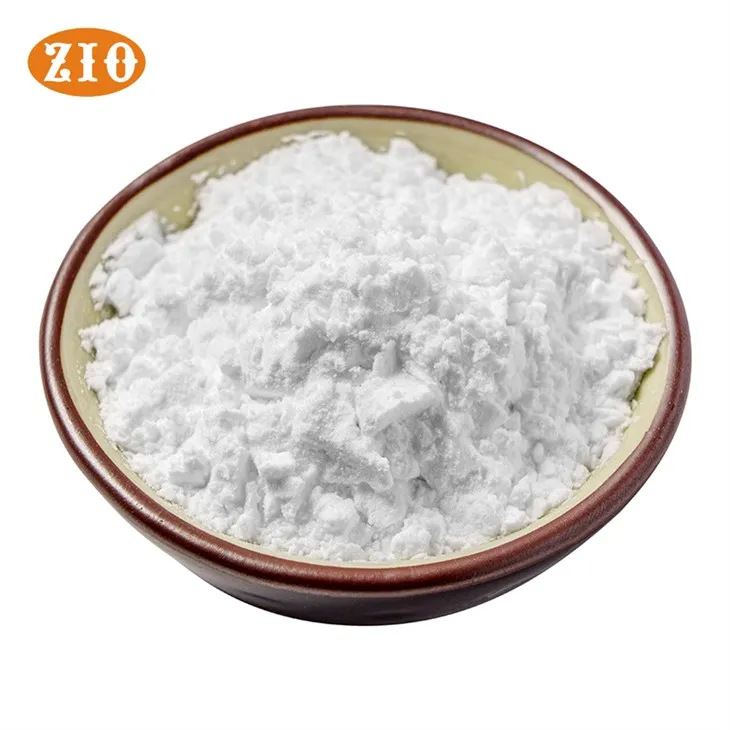


Products Description
Trichlorosucrose is a type of halogenated sucrose derivative, also known as "super sweet sucrose". Its chemical name is 4,1',6'-trichloro-4,1',6'-dideoxy-galactosucrose. It was discovered by Professor Hough L of the UK in the 1970s as a powerful sweetener. Its molecular formula is C12H19O8Cl3, with a molecular weight of 397.64.
Trichlorosucrose is called sucroseine. It is a non-caloric high-sweetness substance made from sucrose, featuring no odor and no hygroscopicity. It has high thermal stability and is highly soluble in water, as well as in ethanol and methanol and other organic solvents. At a temperature of 28°C, its solubility is 28.2g. It has high stability under light conditions, heat conditions, and changes in pH value. The aqueous solution of trichlorosucrose is clear and transparent, with a pH of 5, and its stability is high. It will not undergo chemical changes even after being stored for more than one year. The crystals will not undergo chemical changes after storage for about 4 years, and the sweetness will not change under high-temperature conditions.
It has excellent performance and is a non-nutritive strong sweetener. Trisodium cyclamate has a very high sweetness (400-800 times that of sucrose), and the sweetness is pure. The speed of sweetness presentation, the maximum sweetness perception intensity, the duration of sweetness and the aftertaste are all very close to sucrose. Trisodium cyclamate is stable in nature. Its crystalline product remains stable even after storage for 4 years at a dry temperature of 20℃. In aqueous solutions, within the pH range of soft drinks and at normal temperatures, trisodium cyclamate is the most stable among all strong sweeteners. It can be stored for more than one year without any change. Triclosan is a derivative of the pure natural product sucrose. The relative sweetness of sucrose varies with the solution concentration. It has a blunting effect on sourness and saltiness, and can mask flavors such as astringency, bitterness, and alcoholic taste. It also enhances effects such as spiciness and milkiness.
Triclosan does not participate in metabolism in the human body, is not absorbed by the human body, has a calorie value of zero, and is an ideal sweetener substitute for diabetics. In 1998, it was reviewed and certified by the FDA, and it can be used as a universal sweetener for all foods, and does not affect the concentration of glucose in the blood. It can be accepted by diabetic patients. Moreover, triclosan is not utilized by dental plaque bacteria, can reduce the amount of acid produced by bacteria in the mouth and the adhesion of streptococcus cells on the tooth surface, effectively exerting an anti-caries effect. Animal studies have shown that triclosan is safe even when consumed at doses several hundred times higher than the human usage level for a long period of time. Long-term experiments conducted on ordinary human volunteers have shown that triclosan does not have any irreversible effects on human health. After long-term safety certification tests, the US FDA confirmed it as a GRAS (safe) additive.
Products Application
Triclosan has relatively high stability. In food processing, it should be added in concentrated form at any stage based on the actual needs of the factory. This not only makes the use more convenient but also achieves better overall results. For the analysis of triclosan content, high-pressure liquid chromatography should be adopted to directly measure the relevant data and information. In food processing, the application of triclosan in line with market demand trends requires product monitoring personnel to pay close attention to the dosage.
Beverage
Trichlorosucrose is commonly used in beverages. Generally speaking, the sugar content in beverages is usually concentrated between 8% and 10%. If based on the sweetness ratio of trichlorosucrose and sucrose, 0.013% to 0.016% of trichlorosucrose needs to be added. That means, in 1000 kg of beverages, at most 130 to 160 grams of trichlorosucrose can be added to ensure the beverage has a good sweetness. Additionally, trichlorosucrose has a good effect when applied in alcoholic beverages or alcoholic beverage products. Adding a small amount of trichlorosucrose can improve the taste of alcoholic beverages and effectively mask the sourness originally present in the alcohol, enhancing the taste of the alcohol and making the alcohol body harmonious without any off-flavors. Applying trichlorosucrose in nutritional beverages is a relatively new practice, which can mask the bitterness and astringency of vitamins and functional substances. Applying trichlorosucrose in lactic acid bacteria and fermented milk does not get decomposed by them and does not have adverse effects on the fermentation process, and the overall effect is good.
Due to the good stability of trichlorosucrose, it does not react with other substances and does not affect the transparency, color, and aroma of the beverage. Moreover, trichlorosucrose has the properties of heat sterilization and long-term preservation, and there are no issues of degradation or dechlorination. Therefore, applying trichlorosucrose as a sweetener in beverage production can meet the requirements of use and circulation management.
Bakery products
Due to the high-temperature resistance and low calorific value of trichlorosucrose, it is widely used in bakery products. The sweetness of trichlorosucrose products does not change after high-temperature heating, and there is no measurable loss. Trichlorosucrose is commonly added to baked pastries and candy-like products. At a pH of 3, the preservation rate of trichlorosucrose in food with trichlorosucrose added remains at 2% after one year. At pH above 3, trichlorosucrose hardly loses and does not participate in fermentation reactions, and does not affect the growth of yeast-like substances. Based on this, applying trichlorosucrose in low-acid and low-alkaline foods such as fermented yogurt and acid cheese can leverage the advantages of trichlorosucrose and improve the food taste.
It should be noted that since trichlorosucrose itself does not contain calories, it is difficult to absorb efficient sweeteners, so it will not directly cause problems such as obesity. Applying it in mooncakes and sweet desserts with sugar fillings can reduce the calories of the food while maintaining the taste.
Preserved fruit products
The addition amount of trichlorosucrose in preserved fruit products is controlled at 0.15g/kg. This is mainly because trichlorosucrose has good permeability, ensuring sweetness while avoiding other reactions. In addition, it is necessary to effectively control trichlorosucrose in accordance with the "Hygienic Standards for the Use of Food Additives", with the maximum addition amount being 0.15 to 1.25g/kg. It is commonly added at a rate of 1.5g/kg in modified chewing gum. The specific standards are as follows: the addition amount of trichlorosucrose in pastries is below 1.8g/kg, the addition amount in rubber candies is below 2.6g/kg, and in coffee and black tea, it is below 12.0g/kg, etc.
Products advantage
Some scholars have conducted research on the differences between trichlorosucrose and sucrose, as well as aspartame, saccharin, and cyclamate in terms of sweetness, after-taste of bitterness, sourness, volume sensation, after-taste of sweetness, and non-sweet after-taste. They found that the taste sensation of trichlorosucrose is the closest to that of sucrose, which indicates that the advent of trichlorosucrose represents the highest achievement of high-sweetness sweeteners. In some food production applications, aspartame has a good flavor and taste, but it is prone to decomposition and instability; saccharin and cyclamate are subject to certain degrees of controversy regarding safety, and they tend to produce after-bitterness; the so-called "protein sugar" components vary and have poor safety, and their use can lead to excessive sugar and cyclamate levels; sugar alcohols as sweeteners have low sweetness, high usage costs, and greater heat absorption during dissolution than sucrose, although they can produce a refreshing sensation, their taste is different from the sweet and mature taste of sucrose. Trichlorosucrose has a very similar sweetness to sucrose, is very stable to heat, acid, and alkali, and has high safety. Its advantages include: high sweetness, 400-800 times that of sucrose; safe and non-toxic, without causing side effects to the human body, and has passed the certification of the US FDA; low calories, suitable for people who cannot consume nutritive sweeteners, such as obese patients and diabetics.
At the same time, it will not cause tooth decay and is beneficial to dental health; good stability, can be stored for a long time, and the sweetness will not be damaged during high-temperature food processing; pure sweetness, similar to the sweetness of sucrose, will not produce after-bitterness and off-flavors like some other strong sweeteners; low price, at the same sweetness level, it is 1/3-1/2 of the price of sucrose.
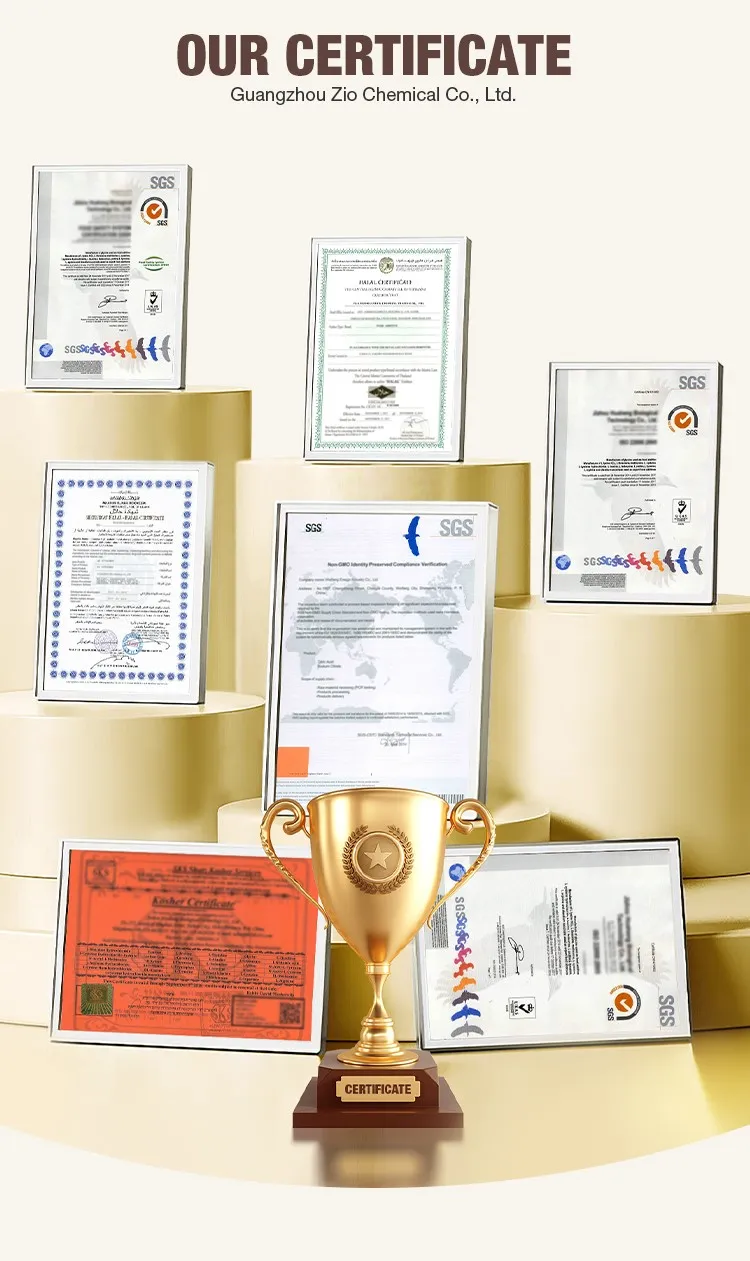
Products Qualification




Hot Tags: sucralose sweetener, China sucralose sweetener manufacturers, suppliers