



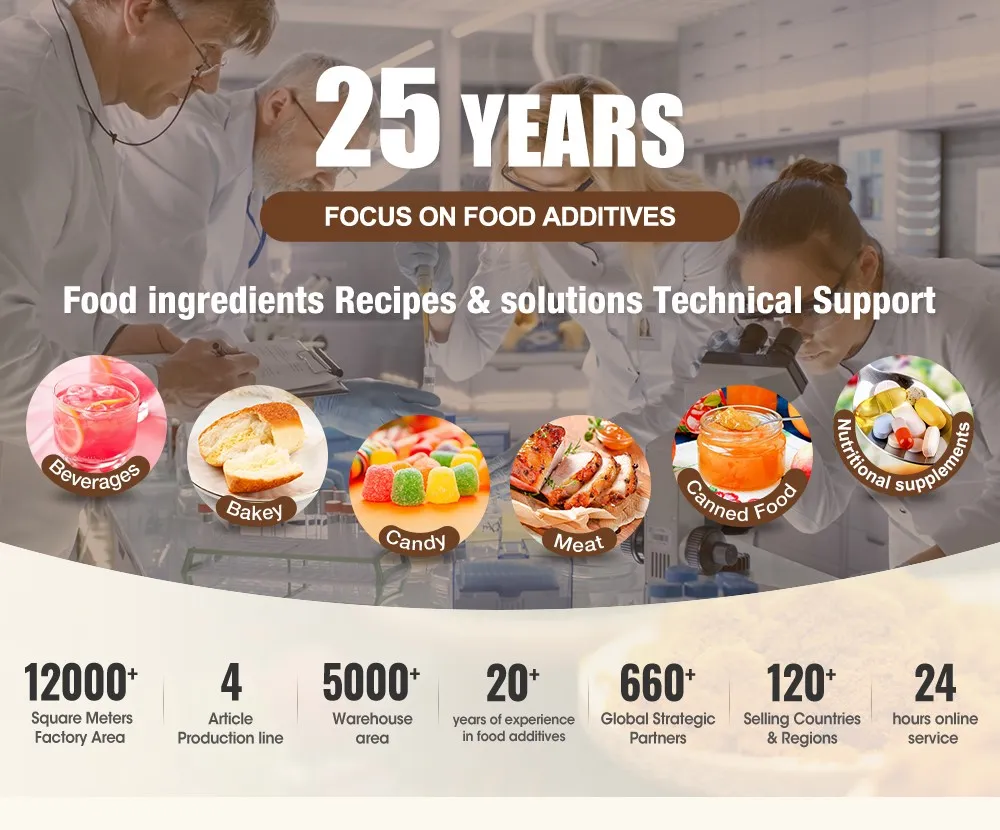
Cyclamate is widely used in those products:
Cyclamate can be used as a sweetener in China, but there are certain restrictions. In pickles, sauces, prepared wine, pastries, biscuits, bread, ice cream, ice cream, popsicles, drinks and other foods, the maximum usage of cyclamate is 0.65g/kg; in preserves, the maximum usage is 1.0g/kg. kg; the maximum usage amount in foods such as tangerine peel, plum blossoms, plums, dried bayberry, etc. is 8.0g/kg.


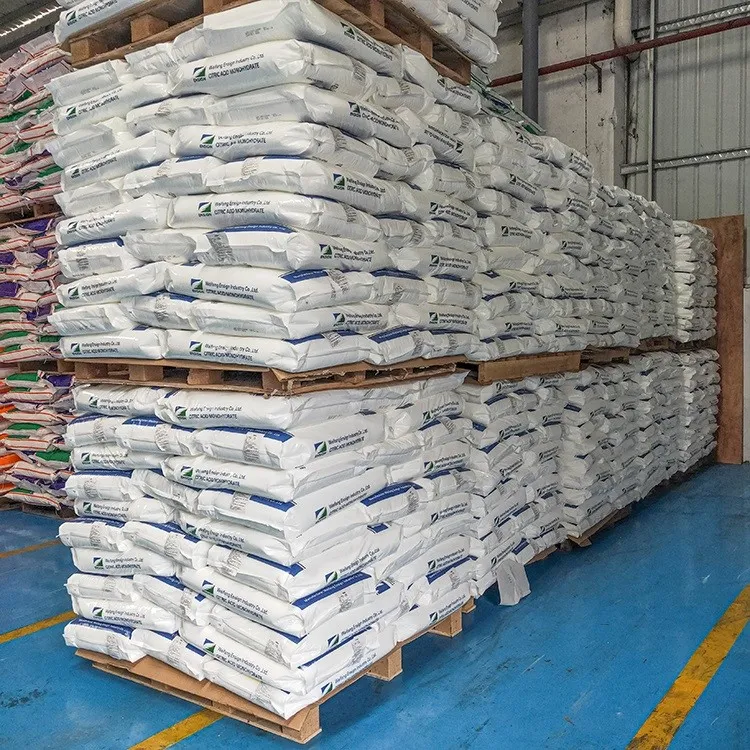
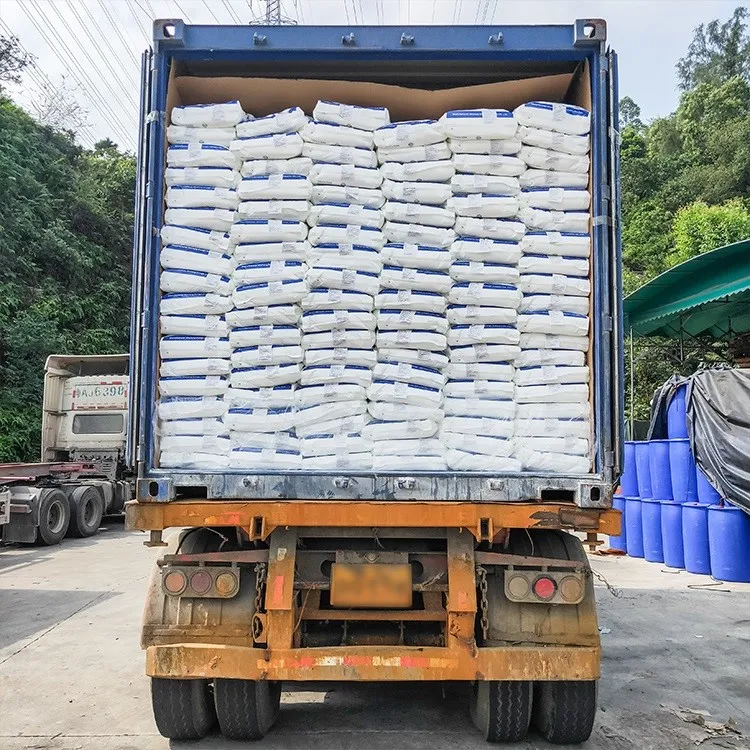
Packaging & Transportation

Sodium Cyclamate (Sodium Cyclohexylsulfamate)
An artificial sweetener derived from cyclohexylamine, commonly used as a sugar substitute in food and beverages due to its intense sweetness and low-calorie profile.
Key Characteristics
Chemical Formula: C₆H₁₁NHSO₃Na
Alternative Names: Sodium cyclohexylsulfamate, Cyclamate sodium salt.
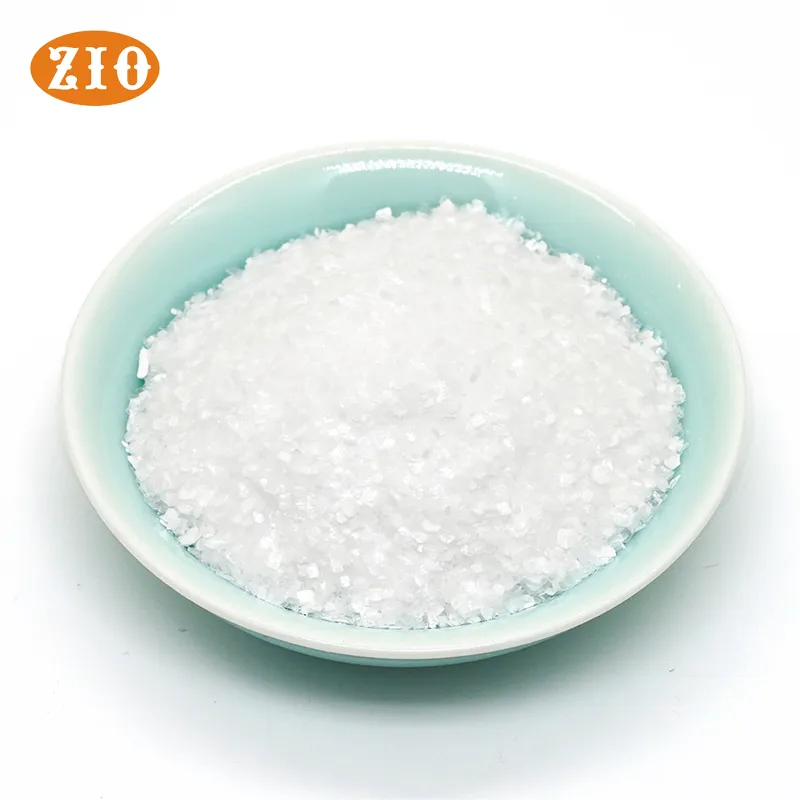
Appearance: White crystalline powder or granular solid.
Solubility: Highly soluble in water (≈55 g/100 mL at 25°C); slightly soluble in ethanol.
Sweetness: ~30–50 times sweeter than sucrose (varies by concentration).
Stability: Heat-stable, suitable for baking and high-temperature processing.
Core Functions and Applications
1. Food Industry
Sugar Substitute: Used in diet sodas, sugar-free candies, desserts, and tabletop sweeteners (e.g., Equal, Sweet'N Low blends).
Cost-Effective Sweetening: Reduces production costs while maintaining flavor in beverages and baked goods.
Synergistic Blending: Often combined with other sweeteners (e.g., saccharin) to enhance sweetness and reduce aftertaste.
2. Pharmaceutical Applications
Oral Care Products: Used in sugar-free gums and toothpaste to reduce calorie intake and prevent cavities.
Liquid Medicines: Sweetens pediatric syrups and chewable tablets without added calories.
3. Cosmetics
Moisturizing Formulas: Acts as a humectant in lip balms and toners, providing a smooth texture.
Technical Parameters and Advantages
Metabolic Pathway: Not metabolized by the body; excreted unchanged in urine.
Caloric Value: ~0–3 kcal/g (varies by regulatory standards).
Applications:
Food: Diet sodas, sugar-free jams, low-calorie yogurts.
Pharmaceuticals: Chewable vitamins, cough syrups.
Cosmetics: Sugar-free lip balms, hydrating serums.
Safety and Controversies
Regulatory Status:
Banned: Prohibited in the U.S. since 1969 due to carcinogenicity concerns in animal studies (later re-evaluated).
Approved: Permitted in over 100 countries (e.g., EU, Canada, China) with ADI limits (e.g., EU: 7 mg/kg body weight/day).
Safety Profile:
ADI: 0–7 mg/kg body weight (EFSA, WHO).
Controversy: Linked to bladder tumors in rodents, but human studies show no conclusive evidence.
Side Effects: Overconsumption may cause gastrointestinal discomfort (e.g., bloating).
Application Examples
Food: Diet Pepsi (pre-ban formulation), sugar-free chocolate.
Pharmaceuticals: Children's acetaminophen syrups.
Cosmetics: Blistex Medicated Lip Balm (moisturizing agent).
Summary: Sodium cyclamate is a high-intensity artificial sweetener prized for its cost-effectiveness and heat stability, but its use remains controversial due to historical safety debates. Ideal for applications requiring low-calorie sweetness without bitterness.


Hot Tags: sodium cyclamate, China sodium cyclamate manufacturers, suppliers