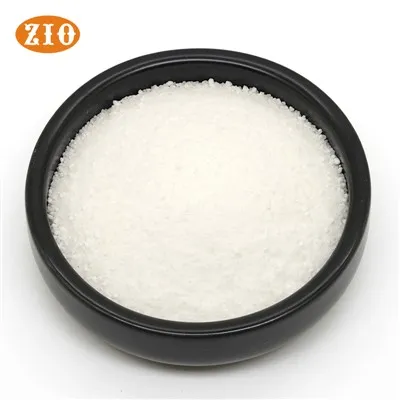
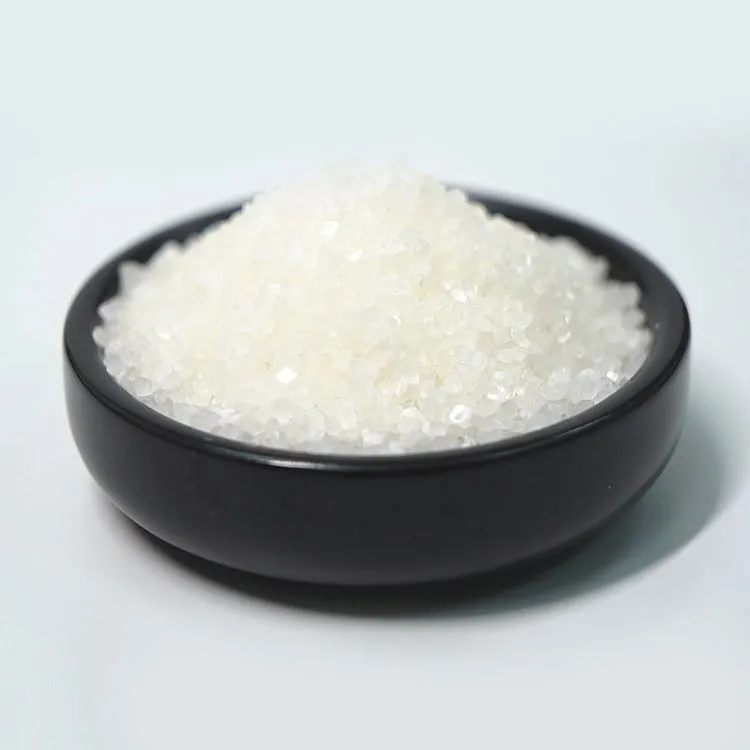


Product Overview
Our food-grade Sodium Saccharin Sweetener Powder delivers a clean, sweet taste with a typical assay performance of 99.5% purity, exceeding standard USP/FCC requirements. Manufactured under rigorous quality control systems, we provide reliable, stable bulk supply for global food, beverage, and pharmaceutical manufacturers.
Sweetness: Approx. 300–500 times sweeter than sucrose.
CAS No.: 128-44-9
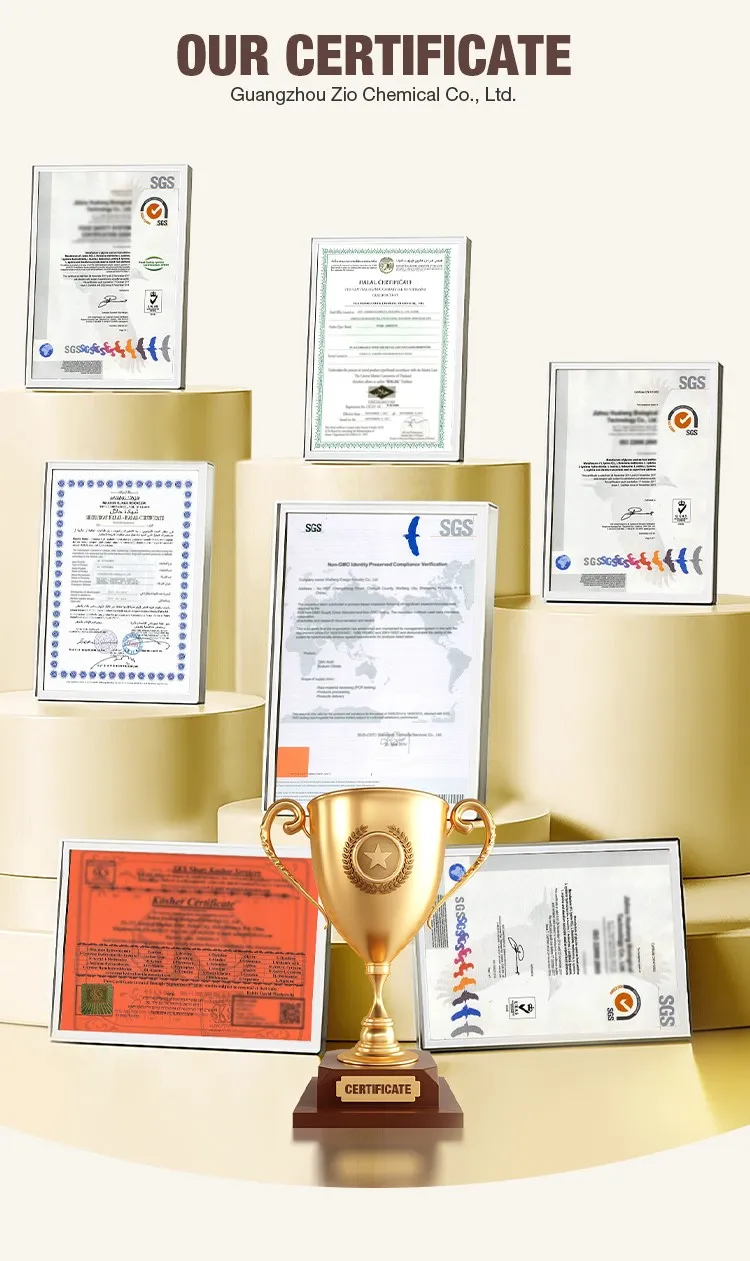
Certifications: ISO 9001 / ISO 22000 | HACCP | Kosher & Halal Certified | BRCGS (if applicable)
Product Specifications & Verified COA
Every batch of our Sodium Saccharin is strictly analyzed in our internal QA/QC laboratory to ensure conformity with international food additive regulations. Below are the actual analysis results from our standard production runs.
|
Items |
Specifications |
Typical Results |
|
Appearance |
White crystals |
Conforms |
|
Identification |
Conforms |
Conforms |
|
Ammonium salt (NH4), % |
≤0.0025 |
0.002 |
|
Arsenic (As) (mg/kg) |
≤2 |
﹤1 |
|
Lead (Pb) (mg/kg) |
≤2 |
﹤2 |
|
C7H4O3NSNa (Anhydrous basis), % |
98.0~101.0 |
99.5 |
|
Loss on drying (%) |
≤15 |
13.05 |
|
Acidity and basicity |
Meet the requirement |
Meet the requirement |
|
Benzoate and salicylate |
Meet the requirement |
Meet the requirement |
Key Product Advantages
Limits heavy metal impurities (As < 1 mg/kg, Pb < 2 mg/kg) to comply with international food safety standards.
Consistently verified at 99.5% assay purity, minimizing formulation variations in high-volume beverage and food production.
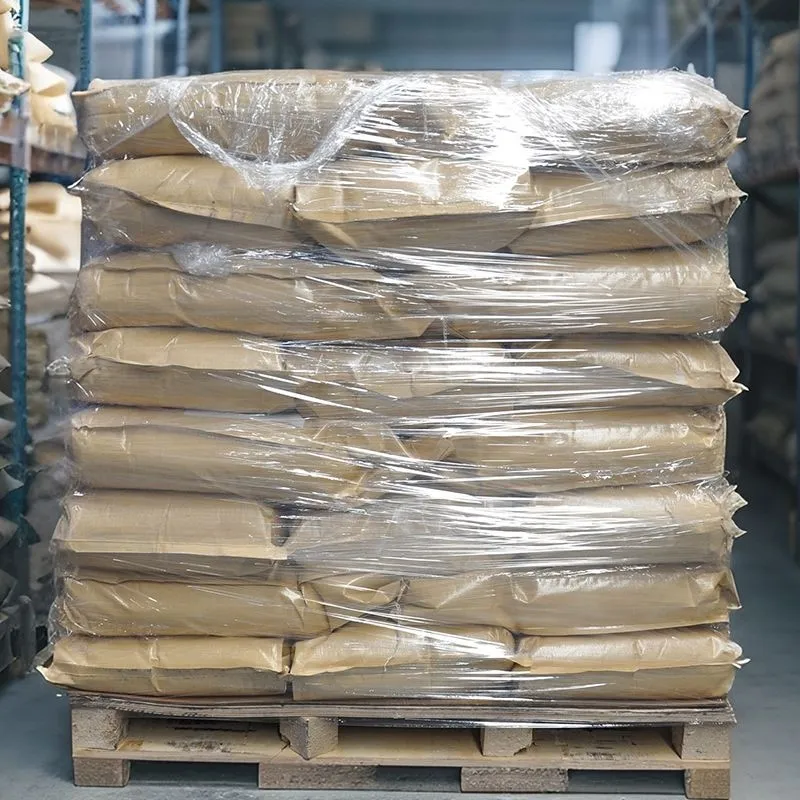
Controlled granulation minimizes caking and clumping, ensuring excellent free-flowing properties during extended maritime transit and warehouse storage.
Exhibits exceptional thermal stability, retaining its intense sweetening profile during high-temperature baking, UHT, and pasteurization processes.
Dissolves quickly and completely in aqueous phases, making it ideal for automated liquid blending and high-speed production lines.
Formulation Tips: Synergistic Blending
To mask the inherent metallic aftertaste of Sodium Saccharin at high concentrations, our R&D team recommends the following high-efficiency blending strategies:
Saccharin + Cyclamate (1:10 Ratio): The industry-standard combination. Cyclamate effectively masks saccharin's bitter notes, delivering a clean, sugar-like taste profile ideal for carbonated beverages.
Saccharin + Aspartame / Neotame: Optimizes upfront sweetness perception while significantly reducing overall ingredient costs.
Saccharin + Bulk Sweeteners (Erythritol / Sorbitol): Enhances mouthfeel, texture, and volume in sugar-free baked goods and confectionery.
Applications & Industry Uses
Beverages
Carbonated soft drinks, energy drinks, and powdered beverage mixes.
Food Products
Bakery goods, confectionery, jams, and dairy products.
Personal Care & Pharma
Toothpaste, mouthwash, and sugar-free syrups/tablets.
Feed Additives
Enhancing palatability in animal nutrition.
Free Sample Policy for Quality Evaluation
We understand that ingredient testing is a critical step in your R&D and QA processes. We provide free samples for qualified commercial manufacturers and distributors.
Standard Sample Size: 100g – 250g (custom quantities available upon request).
Documentation Included: Each sample comes with a lot-specific Certificate of Analysis (COA) and a Safety Data Sheet (SDS).
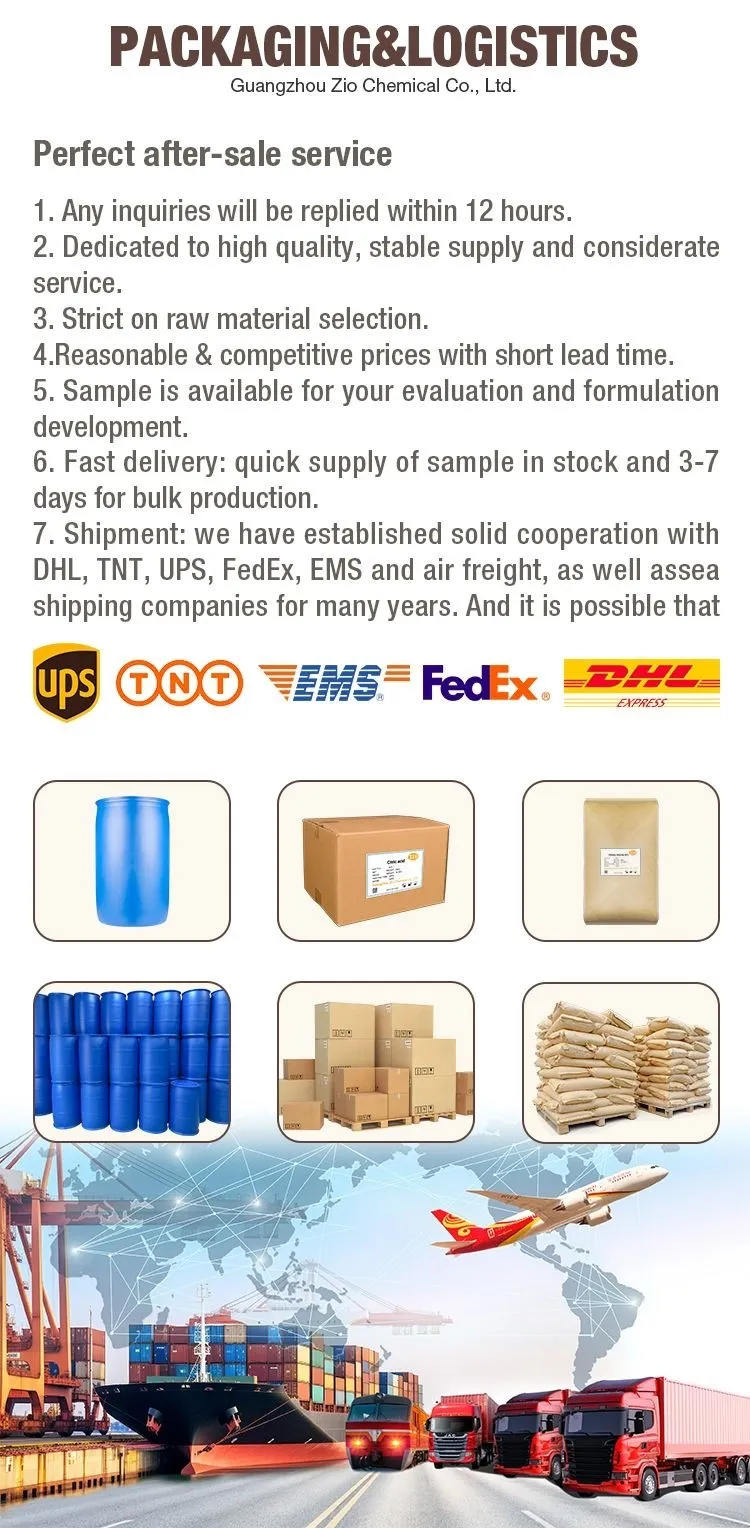
Dispatch Time: Dispatched within 3-7 business days via DHL/FedEx/TNT.
FAQ
Hot Tags: sodium saccharin sweetener powder, China sodium saccharin sweetener powder manufacturers, suppliers, Acesulfame K AK Sugar Sweetener, Lactose Monohydrate Anhydrous, Maltitol Sweetener Powder and Liquid, Sodium Saccharin Sweetener Powder, Strawberry Ice Cream Powder, sweeteners