

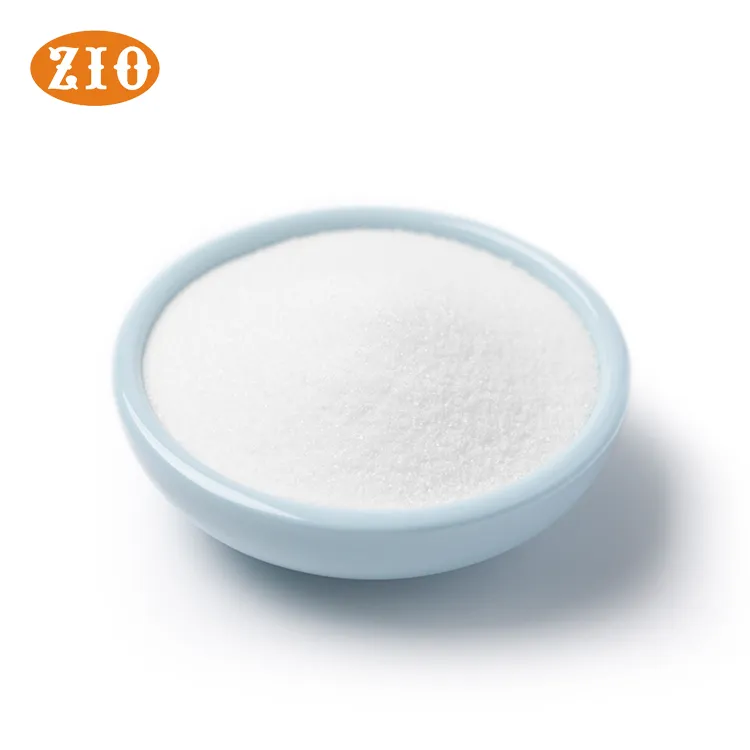


Vitamin C can prevent scurvy, also known as "ascorbic acid." Over the years, animal experiments and clinical studies have found that vitamin C can lower blood cholesterol levels, enhance immunity, increase capillary elasticity, promote healing of wounds and surgical incisions, prevent colds, promote growth and development, and prevent chronic metal poisoning such as mercury and lead. To prevent aging, prevent tumors, etc. Therefore, in addition to treatment, there are many people who are consciously taking vitamin C, especially some middle-aged and older people prefer to take it regularly or for a long time.
Packaging & Transportation



Vitamin C Basic Information
1. Definition and Chemical Structure
Vitamin C, also known as ascorbic acid, has the chemical formula C6H8O6. It is a water - soluble vitamin. Structurally, it contains a five - membered lactone ring with two hydroxyl groups attached to adjacent carbon atoms in the ring, along with a hydroxyl group on the carbon adjacent to the ring - opening carbon. The presence of these hydroxyl groups gives vitamin C its acidic nature and high reactivity.
2. Physical and Chemical Properties
Appearance: It usually appears as a white or slightly yellowish crystalline powder.
Solubility: Highly soluble in water and slightly soluble in ethanol. It is insoluble in most organic solvents such as ether and chloroform.
Stability: Vitamin C is relatively unstable. It is easily oxidized, especially in the presence of heat, light, oxygen, and certain metal ions (such as copper and iron). Oxidation converts ascorbic acid to dehydroascorbic acid, and further oxidation can lead to the formation of inactive products. To enhance its stability, it is often stored in a cool, dark place and formulated in products with appropriate antioxidants.
3. Natural Sources
Fruits: Many fruits are rich in vitamin C. Citrus fruits are well - known sources, such as oranges, lemons, and grapefruits. Strawberries, kiwifruits, and guavas are also excellent sources, with guavas having an exceptionally high vitamin C content.
Vegetables: Bell peppers, especially red ones, are very rich in vitamin C. Broccoli, Brussels sprouts, spinach, and kale are also good vegetable sources. However, cooking and processing can cause significant losses of vitamin C in vegetables, so consuming them raw or lightly cooked is advisable to maximize the intake of this vitamin.
4. Physiological Functions in the Human Body
Antioxidant Defense: Vitamin C is a powerful antioxidant. It can neutralize free radicals in the body, protecting cells from oxidative damage. Free radicals are unstable molecules that can cause damage to cell membranes, DNA, and proteins, contributing to various diseases such as cancer, cardiovascular diseases, and premature aging. By donating electrons, vitamin C scavenges free radicals and helps maintain the redox balance in the body.
Collagen Synthesis: It is essential for the synthesis of collagen, a structural protein that provides strength and support to connective tissues such as skin, bones, tendons, and ligaments. Collagen is also important for wound healing, as it forms the framework for new tissue growth. A deficiency of vitamin C can lead to impaired collagen synthesis, resulting in symptoms such as scurvy, which is characterized by weakened connective tissues, bleeding gums, and slow wound healing.
Iron Absorption: Vitamin C enhances the absorption of non - heme iron (the form of iron found in plant - based foods) in the intestine. It reduces ferric iron (Fe3+) to ferrous iron (Fe2+), which is more easily absorbed by the body. This is particularly important for individuals who rely on plant - based diets to meet their iron requirements, as the bioavailability of iron from plants is generally lower than that from animal sources.
Immune Function: It plays a role in supporting the immune system. Vitamin C can stimulate the production and function of white blood cells, such as lymphocytes and phagocytes, which are responsible for fighting off infections. It also helps to maintain the integrity of the skin and mucous membranes, which are the body's first line of defense against pathogens.
Application Scenarios
1. Food and Beverage Industry
Fortified Foods: Vitamin C is often added to a variety of food products to fortify them. Breakfast cereals, for example, may be fortified with vitamin C to increase their nutritional value. Fruit juices, especially those that have undergone pasteurization or other processing steps that may lead to vitamin C loss, are also commonly fortified. This helps to ensure that consumers can obtain an adequate amount of vitamin C from their diet.
Beverages: In addition to fruit juices, vitamin C is added to many other beverages, such as energy drinks and sports drinks. These beverages target consumers who are looking for a quick boost of energy and enhanced nutrition. The addition of vitamin C not only provides health benefits but also appeals to consumers' desire for products that support their well - being.
2. Pharmaceutical Industry
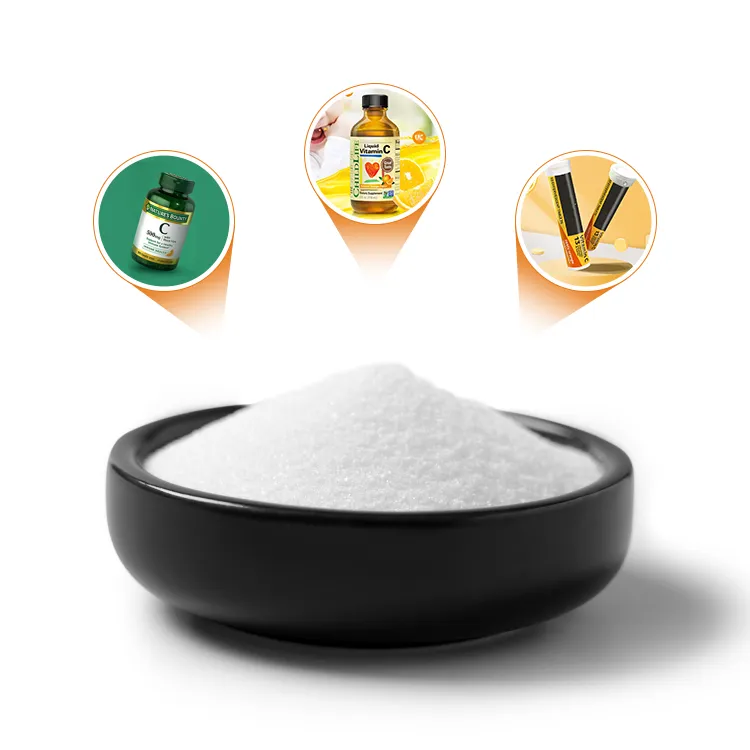
Vitamin Supplements: Vitamin C is available in various forms of supplements, including tablets, capsules, and powders. These supplements are used to prevent or treat vitamin C deficiency, especially in individuals who have limited dietary intake of fruits and vegetables, such as the elderly, vegetarians, or those with certain medical conditions. They can also be used to support the immune system during times of illness or stress.
Therapeutic Applications: In some cases, high - dose vitamin C may be used in medical treatments. For example, intravenous vitamin C has been investigated as an adjunct therapy for cancer patients. It is thought that high - dose vitamin C may have anti - tumor effects by generating hydrogen peroxide in the extracellular environment, which can selectively kill cancer cells. However, more research is needed to fully understand its therapeutic potential and safety.
3. Cosmetics Industry
Skincare Products: Vitamin C is a popular ingredient in skincare products due to its antioxidant and brightening properties. In creams, serums, and lotions, it can help to reduce the appearance of fine lines and wrinkles by protecting the skin from oxidative stress. It also inhibits the production of melanin, the pigment responsible for skin darkening, which can help to lighten hyperpigmentation and even out skin tone. Additionally, vitamin C can improve skin firmness and elasticity by promoting collagen synthesis.
Haircare Products: Although less common than in skincare, vitamin C is also used in some haircare products. It can help to strengthen hair by promoting collagen production in the hair follicles. It may also have a mild bleaching effect, which can be useful in some hair lightening formulations.
4. Feed Industry
Animal Nutrition: In the feed industry, vitamin C is added to animal feeds to ensure the proper growth, development, and health of livestock, poultry, and aquaculture species. It can enhance the immune response of animals, reducing the incidence of diseases and improving their resistance to stress. For example, in fish farming, vitamin C supplementation can improve the growth performance and survival rate of fish, especially under stressful conditions such as high stocking density or water quality changes.
5. Other Industries
Chemical Synthesis: Vitamin C is used as a starting material or intermediate in the synthesis of some pharmaceuticals, cosmetics, and other chemicals. Its chemical structure and reactivity make it a useful building block in the production of various compounds.
Water Treatment: In water treatment processes, vitamin C can be used as a reducing agent. It can remove chlorine and chloramines from water, which are commonly used for disinfection but can have negative effects on human health and the taste and odor of water. By reacting with chlorine and chloramines, vitamin C converts them into less harmful substances, improving the quality of water.







Hot Tags: vitamin c, China vitamin c manufacturers, suppliers