

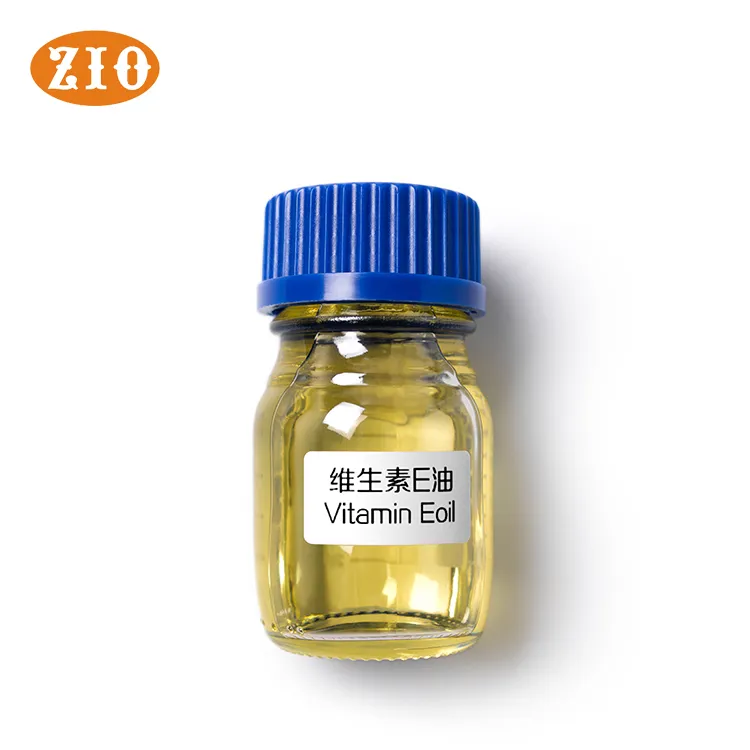


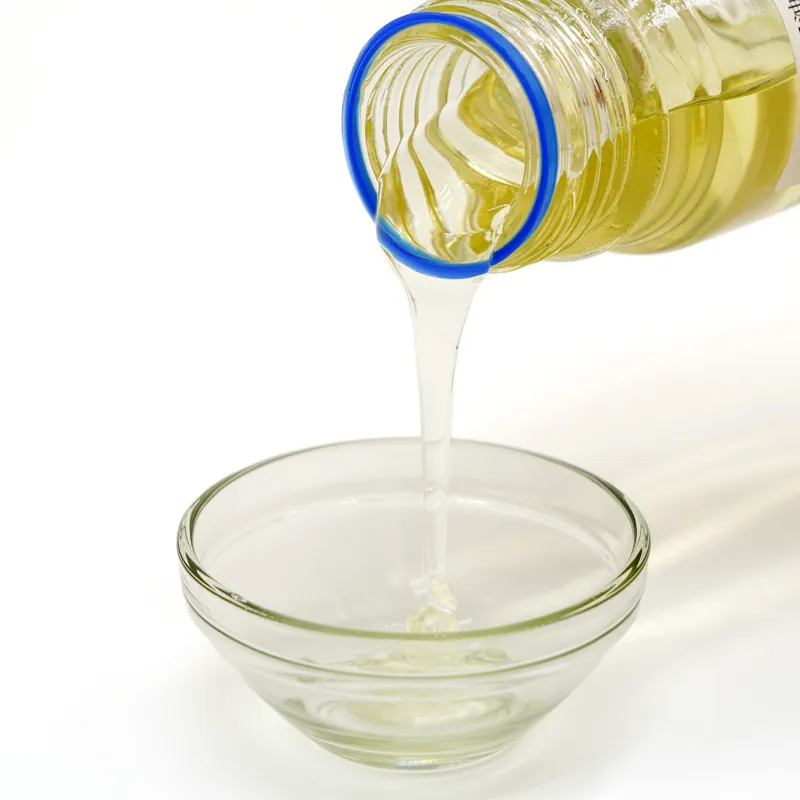
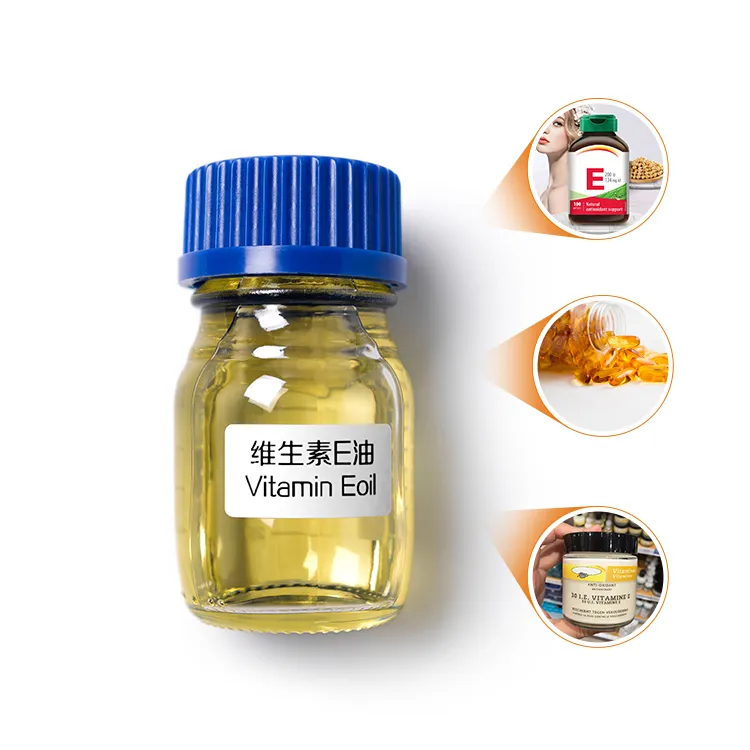
Vitamin E, one of the most important antioxidants, is a golden or light yellow oil with a mild special smell. Soluble in organic solvents such as fat and ethanol, but insoluble in water. It is found in cooking oils, fruits, vegetables and grains. It is an essential fat-soluble vitamin for the human body. As an excellent antioxidant and nutrient, it is widely used in clinical, food, feed, health products and cosmetics industries, and is often used in creams and lotions.
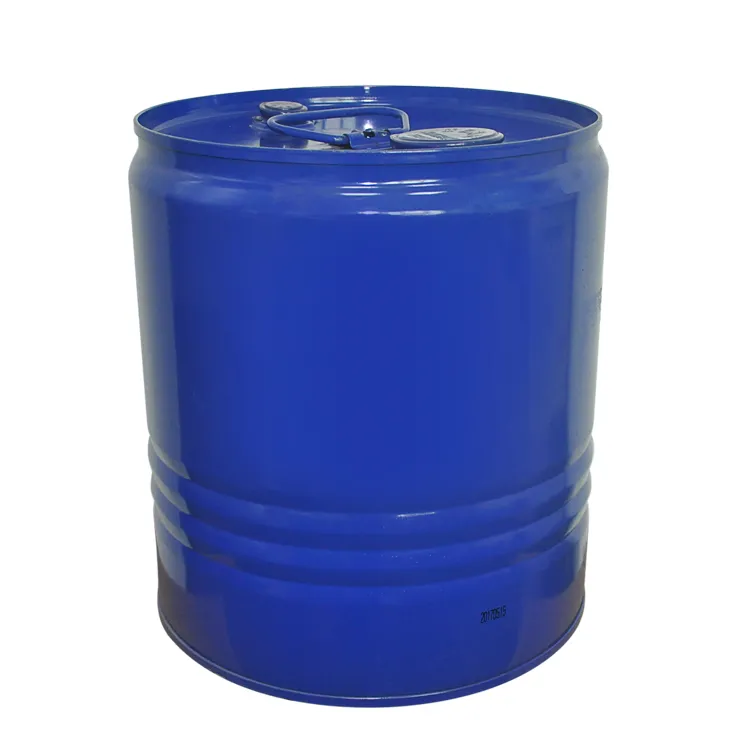
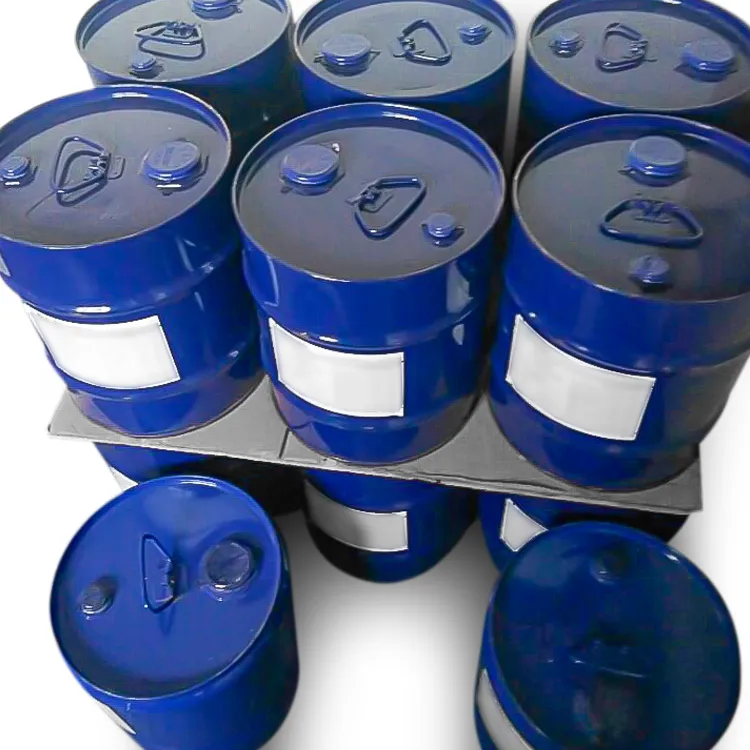
Packaging & Transportation

Vitamin E
A fat-soluble antioxidant essential for human health, known for its protective role against oxidative stress. Also referred to as tocopherols or tocotrienols, with α-tocopherol being the most bioactive form.
Key Features:
Chemical formula: C₂₉H₅₀O₂ (α-tocopherol)
Forms: Natural (d-α-tocopherol) and synthetic (dl-α-tocopherol).
Appearance: Amber-colored oily liquid or crystalline powder.
Solubility: Fat-soluble (soluble in oils/fats, insoluble in water).
Stability: Sensitive to light and heat; often encapsulated for preservation.
Functions & Benefits:
Antioxidant: Neutralizes free radicals, protecting cell membranes from lipid peroxidation.
Skin Health: Supports collagen synthesis, reduces UV damage, and promotes wound healing.
Immune Support: Enhances immune function, particularly in aging populations.
Cardiovascular Health: May reduce oxidative damage linked to heart disease.
Neuroprotection: Potential benefits in slowing age-related cognitive decline.
Applications:
Dietary supplements (capsules, tablets).
Skincare products (anti-aging creams, moisturizers).
Food additives (preservatives in fats/oils).
Pharmaceuticals (neurological disorder management).
Dosage & Safety:
Daily Recommended Intake: 15 mg (adults, EFSA/FDA guidelines).
Overconsumption Risks: Rare but may cause blood-thinning effects at high doses.
Certifications: FDA GRAS, EFSA-approved, Generally Recognized as Safe (GRAS).






Hot Tags: vitamin e, China vitamin e manufacturers, suppliers