



Application Areas
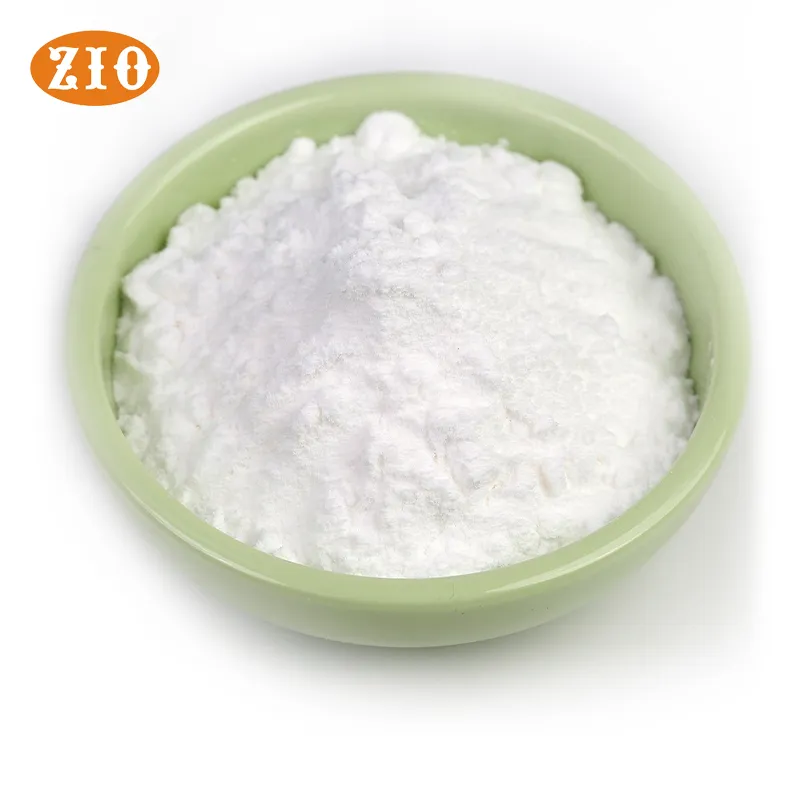
As one of the important raw and auxiliary materials in industry, modified starch can be widely used in papermaking, food, textile, construction and other industries.
1. Modified starch for food should be based on functionality, diversity and convenience. Grain processing requires the development of new varieties, focusing on the development of corn series products, the development of potato starch, modified starch and derivative products; the development of convenience foods, nutritional foods, and emulsifying and thickening.
2. Modified starches used in textile sizing are currently mainly acid-lysis starch, oxidized starch, phosphate starch, etc., as well as a small amount of acetate starch and compound modified starch.


3. Develop new surface coating agents and sizing in the paper industry.
4. Starch-based water-absorbing agents are widely used. Water absorbing agents can be used in agriculture, forestry and horticulture, textiles, papermaking, oil drilling, construction, wastewater treatment, and food processing.
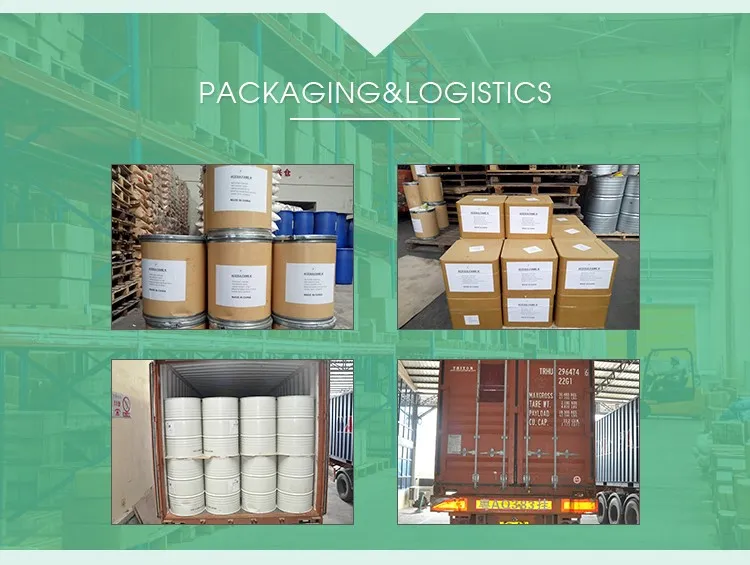
Packaging & Transportation


I. Basic Information
1. General Concept
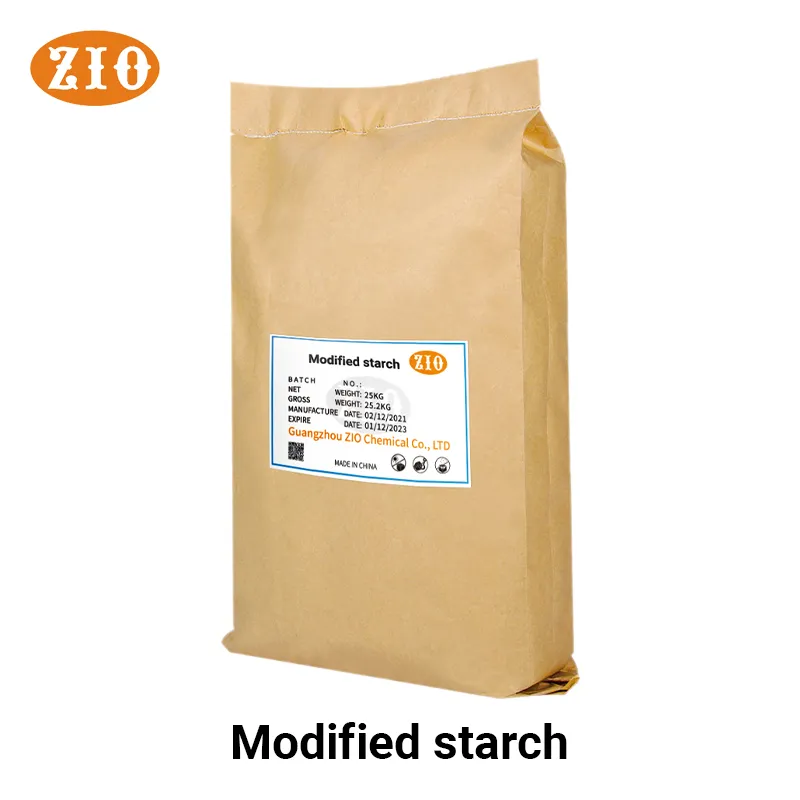
Definition: Starch derivatives obtained by physical, chemical or enzymatic treatment of native starch with specific functionalities
Raw Materials: Corn (most common), tapioca, potato, wheat, etc.
E-number: E1400-E1450 series (EU food additive codes)
2. Major Modification Types
| Modification | Representative Products | Functional Properties |
|---|---|---|
| Physical | Pregelatinized starch | Cold-water soluble |
| Chemical | Hydroxypropyl starch | Freeze-thaw stable |
| Enzymatic | Maltodextrin | Easy digestion |
| Dual | Cross-linked acetylated starch | High clarity |
3. Key Parameters
Gelatinization Temp: 50-80℃ (type dependent)
Viscosity Range: 10-10,000 mPa·s (5% solution)
Degree of Substitution: 0.01-0.2 (chemical modified)
Solubility: 5-100% (modification dependent)
II. Application Scenarios
1. Food Industry (Largest Application)
Functional Uses:
Thickening/stabilizing (yogurt/jam)
Texture modification (meat products)
Emulsification/suspension (salad dressing)
Anti-retrogradation (baked goods)
Typical Products:
Instant noodles (rehydration)
Canned food (heat resistant)
Frozen food (anti-cracking)
2. Paper Industry
Functional Properties:
Paper strength enhancement (wet-end)
Surface improvement (surface sizing)
Filler retention
Advantages:
Partial chemical pulp replacement
Cost reduction
Biodegradable
3. Textile Industry
Main Applications:
Warp sizing
Printing paste
Fabric finishing
Requirements:
Viscosity stability
Easy desizing
Low foaming
4. Pharmaceutical Industry
Key Applications:
Tablet binder (direct compression)
Sustained-release matrix
Wound dressing material
Special Requirements:
High purity (USP grade)
Low microbial limits
Traceability
III. Technical Comparison
| Parameter | Acid-thinned | Oxidized | Cross-linked |
|---|---|---|---|
| Viscosity | Low | Medium | High |
| Stability | Fair | Good | Excellent |
| Clarity | Low | High | Medium |
| Freeze-thaw | Poor | Good | Excellent |
| Application | Confectionery | Paperboard | Canned food |
IV. Regulations & Safety
China Standard: GB 29925-2013
FDA Status: GRAS substance
Usage Limit: GMP (most cases)
Storage: Cool & dry (RH<65%)
Note: Modification degree significantly impacts functionality - selection should match application requirements.

Hot Tags: modified starch, China modified starch manufacturers, suppliers