

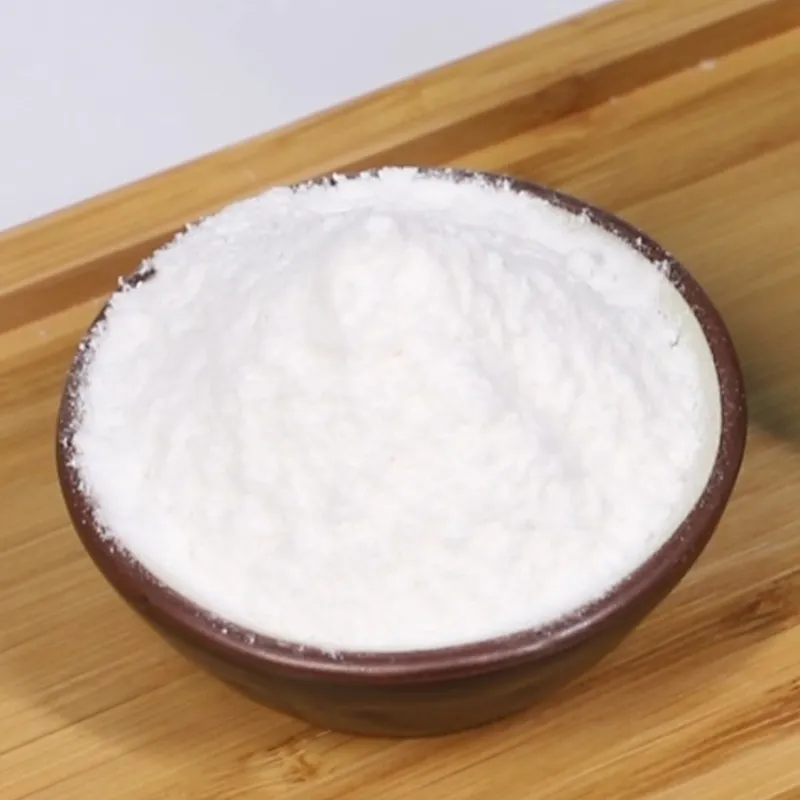


Polydextrose is a soluble dietary fiber and prebiotic with an energy of only 1 kilojoule/gram. It is easily soluble in water. In most systems, polydextrose shows rheological properties similar to sucrose, and can replace part of sugar and fat, improving the texture and taste of food. It has a refreshing taste and a high dietary fiber content (more than 95%). It has a low blood sugar response, metabolism is not dependent on insulin, and it provides a sense of fullness and helps control weight. It has good digestive tolerance.
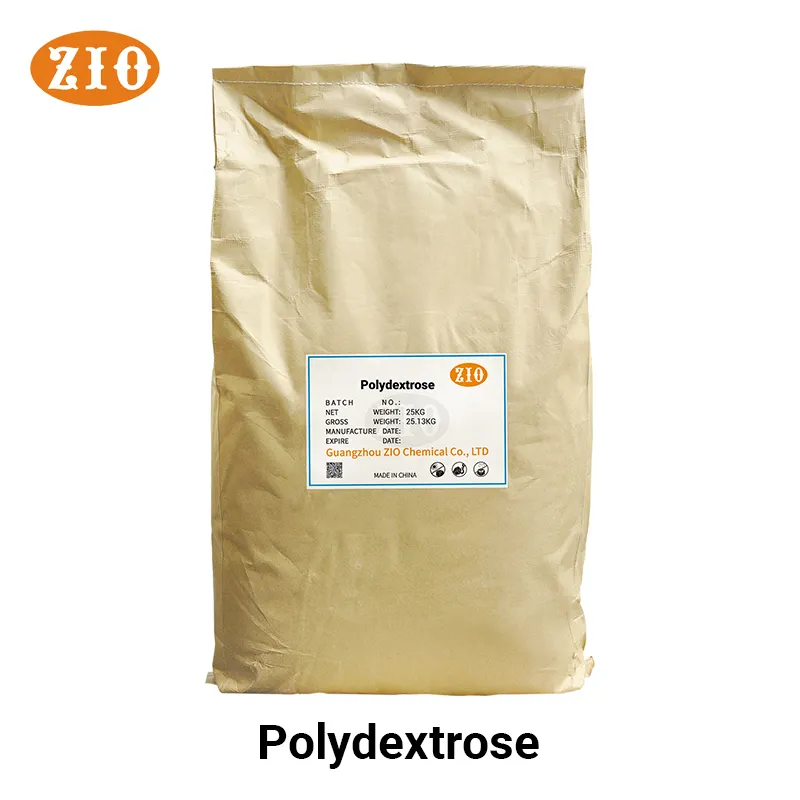
Packaging & Transportation


Polydextrose Basic Information
1. Definition and Chemical Structure
Polydextrose is a synthetic, soluble dietary fiber. It is a complex polysaccharide composed of glucose units linked together in a random manner through α - 1,6, α - 1,4, and α - 1,3 glycosidic bonds, along with a small amount of sorbitol and citric acid. This unique structure gives it special physical and chemical properties.
2. Physical and Chemical Properties
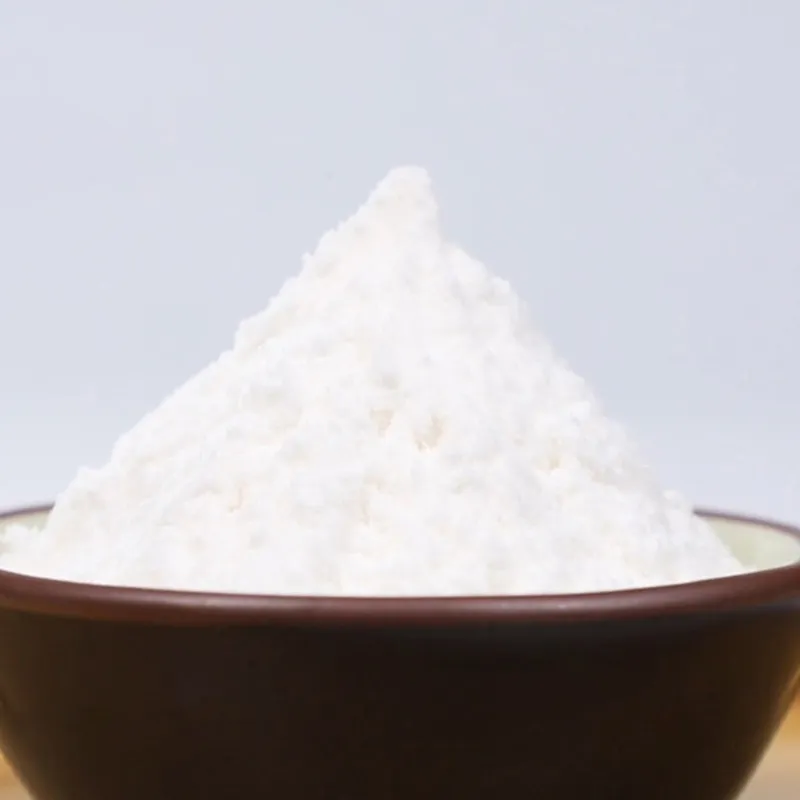
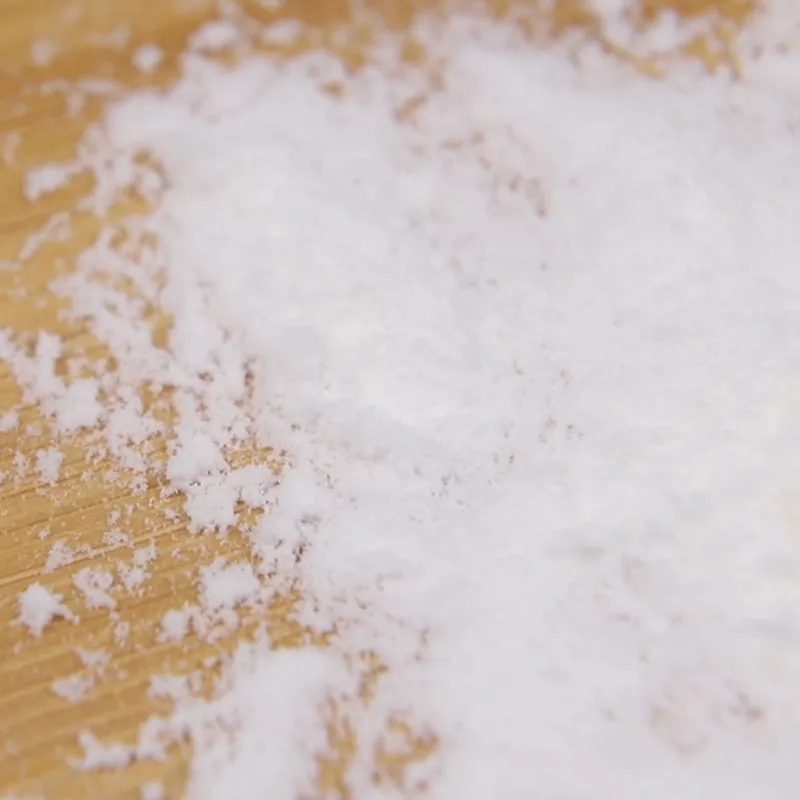
Appearance: It usually appears as a white to off - white powder.
Solubility: Polydextrose is highly soluble in water. It can form a clear or slightly turbid solution, and its solubility allows it to be easily incorporated into various food and beverage products.
Viscosity: It has a relatively low viscosity compared to some other polysaccharides at similar concentrations. This property makes it suitable for use in products where a high - viscosity additive might cause processing or texture issues.
Stability: It is stable over a wide range of pH values (from 2 to 7) and temperatures. This stability enables it to maintain its functionality during food processing, storage, and cooking.
3. Physiological Functions in the Human Body
Prebiotic Effect: Polydextrose acts as a prebiotic, which means it can selectively stimulate the growth and activity of beneficial bacteria in the gut, such as Bifidobacteria and Lactobacilli. These beneficial bacteria play important roles in maintaining gut health, including improving digestion, enhancing the immune system, and competing with harmful bacteria for nutrients and space.
Low Caloric Value: It provides a relatively low number of calories (about 1 kcal/g) compared to traditional carbohydrates (such as sucrose, which has about 4 kcal/g). This makes it a suitable ingredient for formulating low - calorie or reduced - calorie products.
Bowel Regularity: Polydextrose can increase the bulk and water content of feces, promoting regular bowel movements and preventing constipation. It helps to soften the stool and improve intestinal transit time.
Application Scenarios
1. Food Industry
Bakery Products: In baked goods such as bread, cakes, and cookies, polydextrose can be used as a sugar replacer or a partial substitute for fat. It can help to reduce the calorie content of the products while maintaining a certain level of sweetness and moisture. Additionally, it can improve the texture and shelf - life of baked goods by increasing their softness and preventing staling.
Dairy Products: In yogurts, ice creams, and other dairy products, polydextrose can be added to enhance the fiber content and provide a prebiotic effect. It can also help to improve the texture and stability of these products, preventing ice crystal formation in ice creams and giving yogurts a smoother mouthfeel.
Beverages: Polydextrose can be used in a wide range of beverages, including soft drinks, juices, and sports drinks. It can act as a sweetener and a source of dietary fiber. Its low viscosity allows it to blend well with other ingredients in the beverages without affecting their taste or appearance.
Confectionery: In candies, gums, and chocolates, polydextrose can be used to replace sugar or fat, reducing the calorie content. It can also provide a pleasant mouthfeel and help to control the release of flavors.
2. Pharmaceutical Industry
Dietary Supplements: Polydextrose is often included in dietary fiber supplements. It can be formulated into capsules, tablets, or powders to help consumers increase their daily fiber intake and support gut health.
Medical Foods: In some medical foods designed for patients with specific dietary needs, such as those with diabetes or obesity, polydextrose can be used as a low - calorie sweetener and fiber source. It can help to manage blood sugar levels and promote satiety.
3. Health and Wellness Products
Weight Management Products: Due to its low caloric value and ability to promote satiety, polydextrose is commonly used in weight management products such as meal replacement shakes, bars, and snacks. It can help consumers feel full for longer periods, reducing their overall calorie intake.
Digestive Health Products: As a prebiotic, polydextrose is an important ingredient in digestive health products. It can be combined with other probiotics and prebiotics to create products that support a healthy gut microbiome.
4. Pet Food Industry
Pet Treats and Diets: Polydextrose can be added to pet treats and diets to increase the fiber content and provide a source of prebiotics for pets. It can help to improve the digestive health of pets, regulate their bowel movements, and support their overall well - being.
5. Other Industries
Cosmetics: In some cosmetic formulations, such as creams and lotions, polydextrose may be used as a humectant. It can help to retain moisture in the skin, keeping it soft and hydrated. However, its use in cosmetics is relatively limited compared to its applications in the food and pharmaceutical industries.




Hot Tags: polydextrose, China polydextrose manufacturers, suppliers