

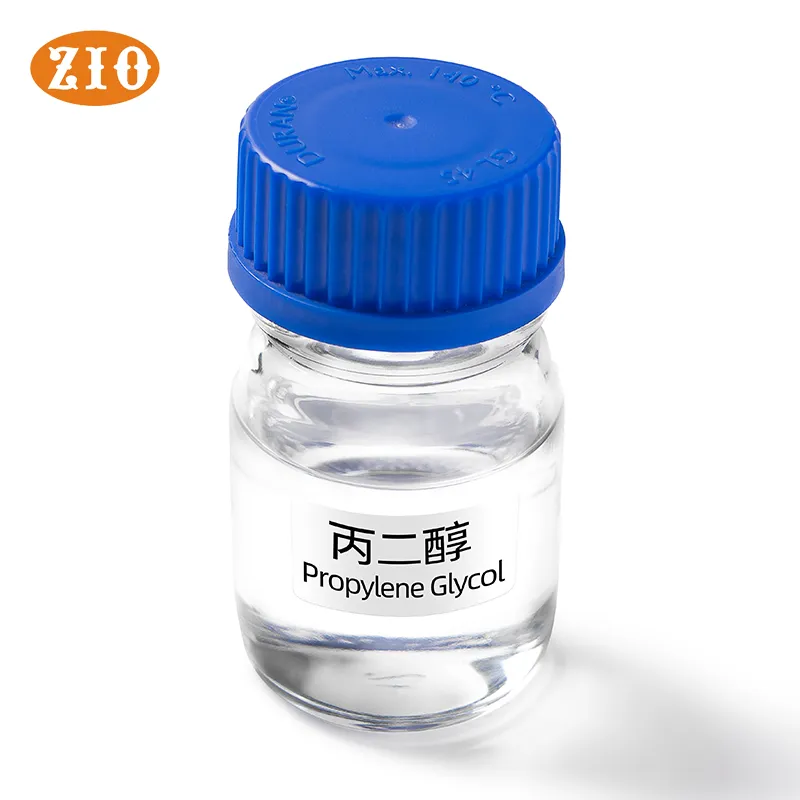


Propylene glycol has good viscosity and hygroscopicity. It is widely used as hygroscopicity agent, antifreeze agent, lubricant and solvent in food, and cosmetics industry.
Propanediol is an excellent solvent for flavoring and pigment
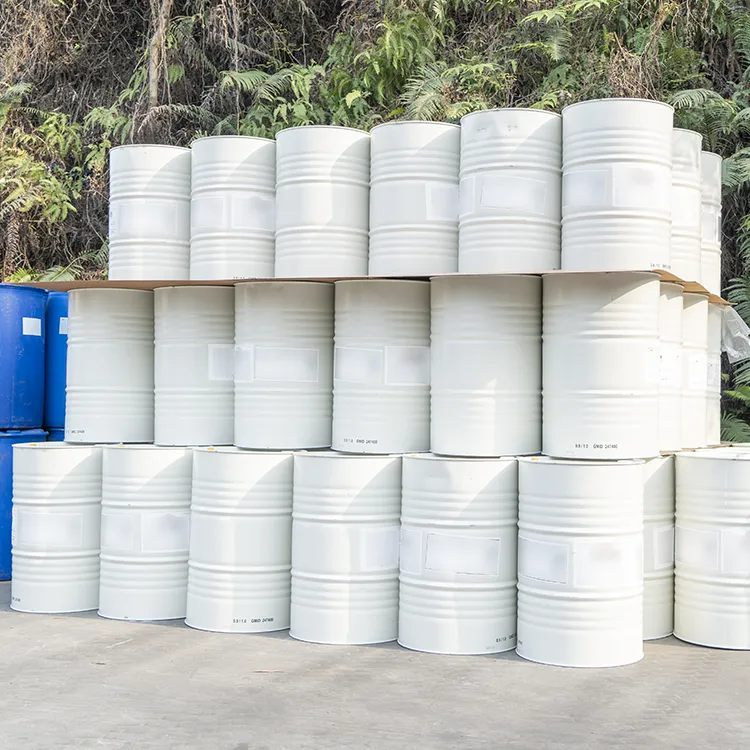
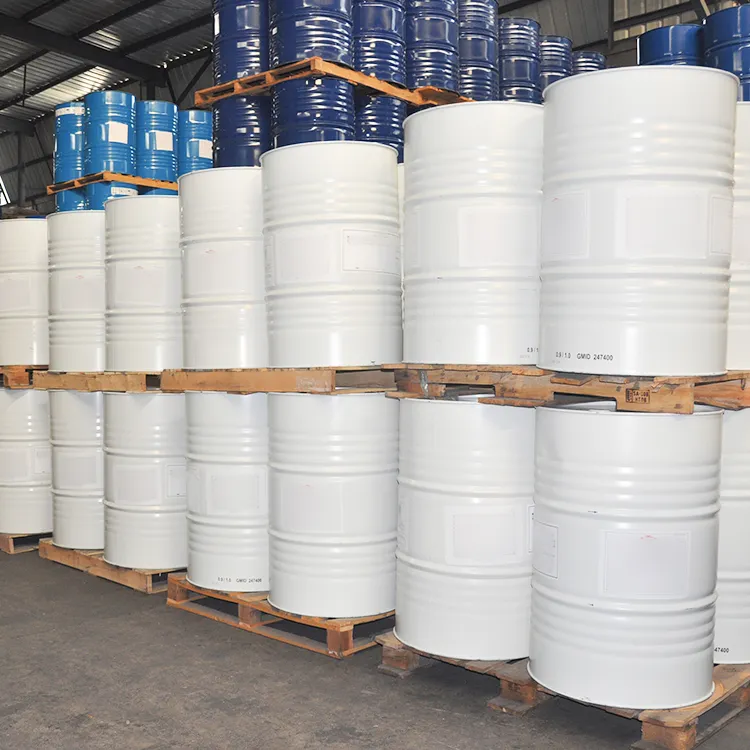
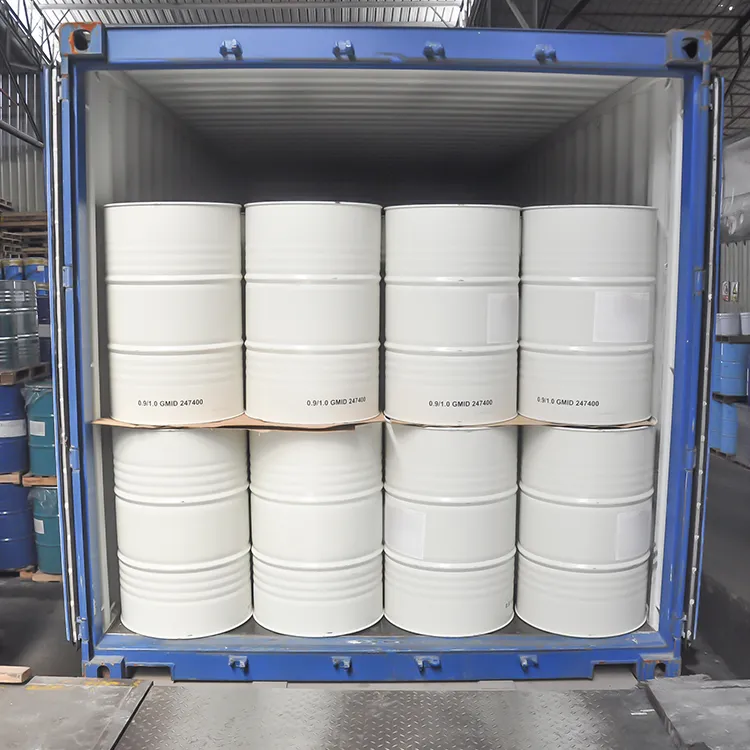
Packaging & Transportation
1. Basic Information
Chemical Name and Structure
Chemical Name: Propylene glycol, with the chemical formula C3H8O2. Its structural formula is HOCH2CH(OH)CH3, which consists of a three - carbon chain with two hydroxyl (−OH) groups attached.
Molecular Weight: Approximately 76.11 g/mol.
Physical Properties
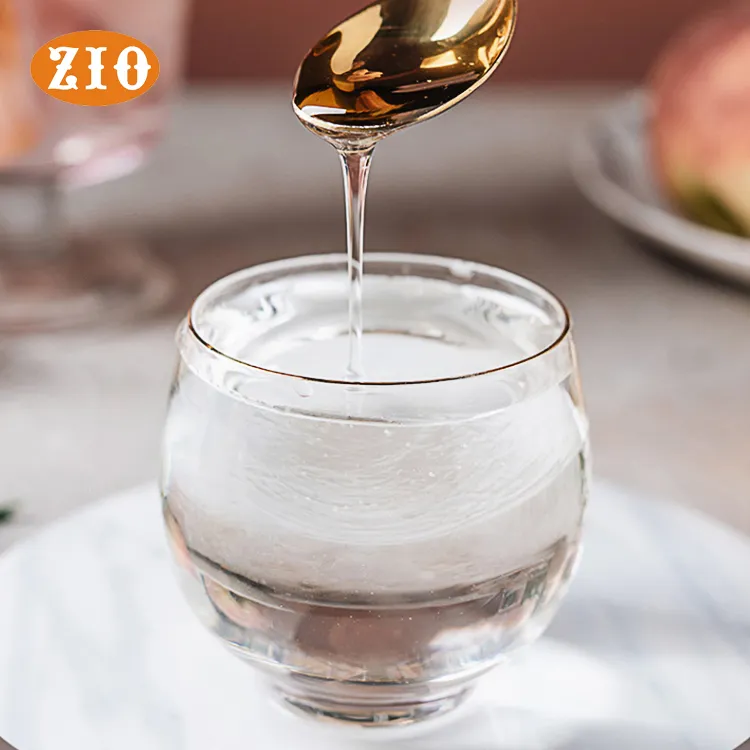
Appearance: It is a colorless, odorless, and viscous liquid at room temperature.
Solubility: Propylene glycol is highly soluble in water and miscible with many organic solvents such as ethanol, acetone, and ethyl ether. This excellent solubility makes it useful in a wide range of formulations.
Boiling Point and Melting Point: The boiling point of propylene glycol is about 188.2 °C, and its melting point is - 59 °C.
Hygroscopicity: It has significant hygroscopic properties, meaning it can absorb moisture from the surrounding environment.
Chemical Properties
Stability: Propylene glycol is chemically stable under normal conditions. It is resistant to oxidation and hydrolysis, which allows it to maintain its properties over a relatively long period.
Reactivity: It can participate in esterification reactions with carboxylic acids to form propylene glycol esters. These esters are widely used in the flavor and fragrance industry.
2. Application Scenarios
Food Industry
Humectant: Propylene glycol is used as a humectant in food products to keep them moist and prevent drying out. It is commonly added to baked goods like cakes, cookies, and pastries, as well as to processed meats and cheeses. This helps to maintain the freshness and texture of the food.
Solvent: It serves as a solvent for flavors, colors, and other food additives. By dissolving these components evenly, it ensures consistent flavor and color distribution in food products. For example, in soft drinks and candies, propylene glycol helps to dissolve and disperse the flavorings effectively.
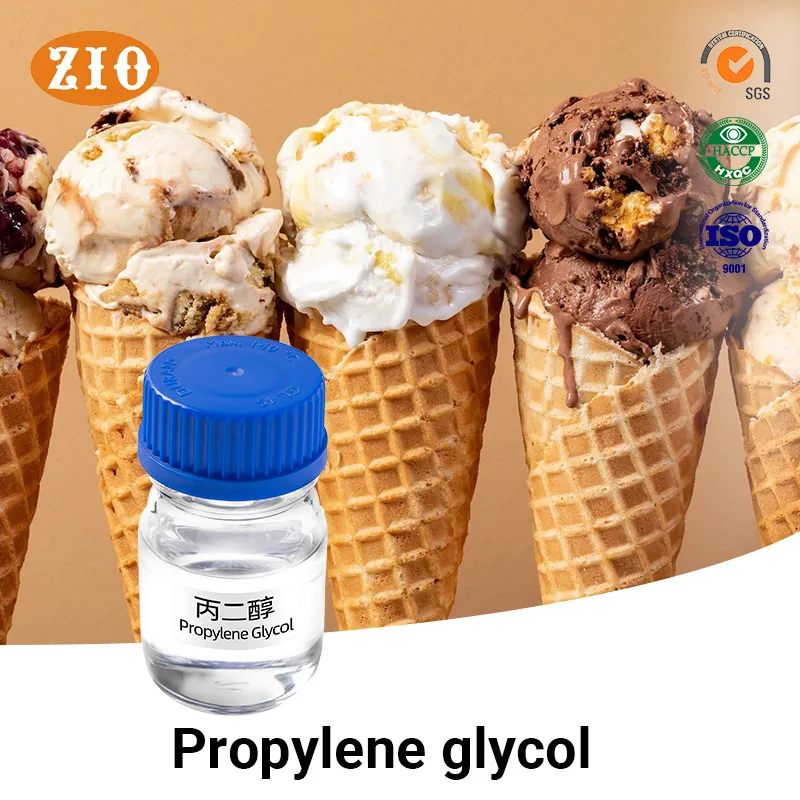
Antifreeze Agent in Food Processing: In some food processing applications, such as ice cream production, propylene glycol is used as an antifreeze agent. It lowers the freezing point of the mixture, preventing the formation of large ice crystals. This results in a smoother and creamier texture in the final product.
Pharmaceutical Industry
Excipient: Propylene glycol is a widely used excipient in pharmaceutical formulations. It can be used as a solvent in oral liquids, injections, and topical preparations. In oral liquids, it helps to dissolve the active ingredients and improve their palatability. In injections, it acts as a vehicle to ensure the proper delivery of the drug.
Moisturizer in Topical Medications: In creams, ointments, and lotions, propylene glycol acts as a moisturizer. It penetrates the skin and helps to retain moisture, improving the skin's hydration level. This is beneficial for patients with dry skin conditions or for those using topical medications that may cause skin dryness.
Cosmetic Industry
Skin Care Products: Propylene glycol is a common ingredient in skin care products such as moisturizers, serums, and masks. It helps to hydrate the skin by attracting and retaining water molecules. It also enhances the penetration of other active ingredients in the product, improving their effectiveness.
Hair Care Products: In shampoos, conditioners, and hair styling products, propylene glycol can add moisture to the hair, making it softer and more manageable. It can also help to detangle hair and improve its overall appearance.
Tobacco Industry
Humectant in Tobacco Products: Propylene glycol is added to tobacco products such as cigarettes and cigars. It helps to keep the tobacco moist, which affects the burning characteristics and flavor of the tobacco. It also contributes to the smoothness of the smoke.
Industrial Applications
Antifreeze and Coolant: In the automotive and industrial sectors, propylene glycol is used as an antifreeze and coolant. It has a low freezing point and a high boiling point, making it suitable for use in engines and other machinery where temperature fluctuations are common.
Plasticizer: Propylene glycol can be used as a plasticizer in some polymer systems. It helps to increase the flexibility and workability of plastics, making them easier to process and shape.
Solvent in Chemical Reactions: It is used as a solvent in various chemical reactions, especially those involving polar reactants. Its ability to dissolve a wide range of substances makes it a versatile solvent in the chemical industry.


Hot Tags: propylene glycol, China propylene glycol manufacturers, suppliers