

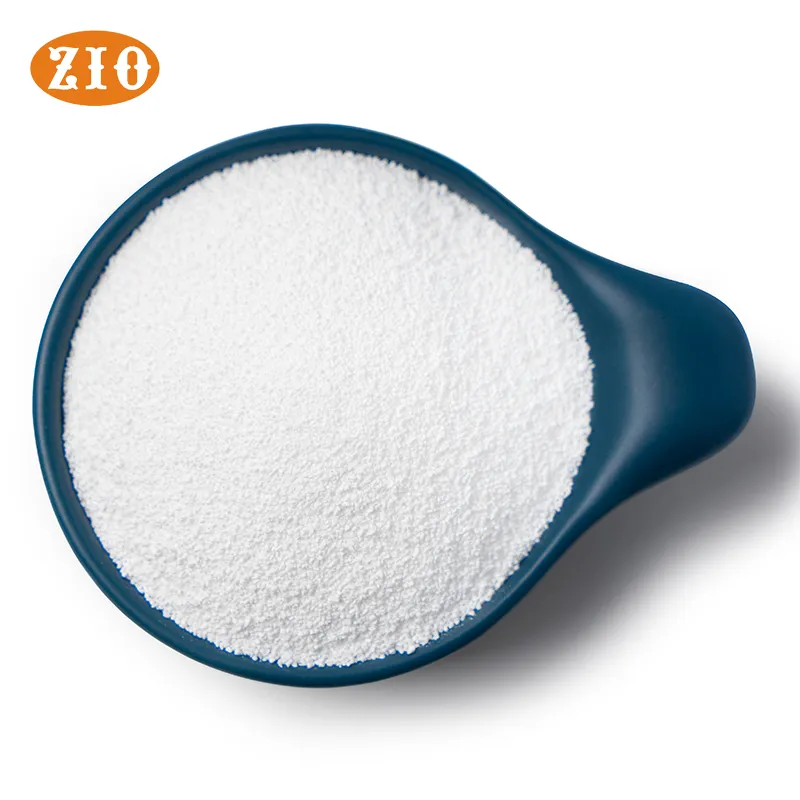


Sorbitol solution is mainly used as a raw material for surfactants in the light industry. Sorbitol has good moisturizing properties and can be used as a moisturizer in the production of toothpaste and cosmetics instead of glycerol.

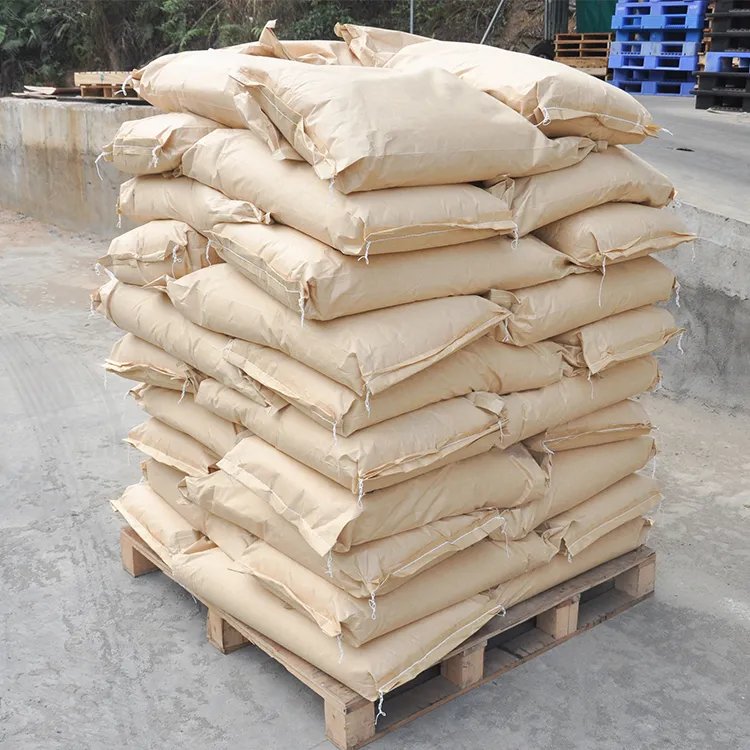
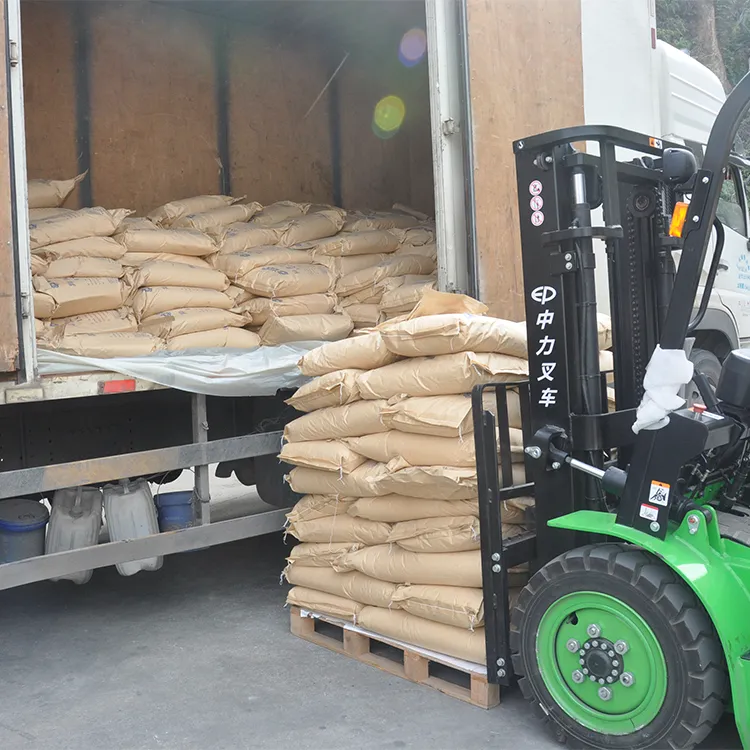
Packaging & Transportation

1. Basic Information
Chemical Name and Structure
Chemical Name: Sorbitol, also known as D - glucitol. Its chemical formula is C6H14O6, and it has a six - carbon polyhydric alcohol structure with multiple hydroxyl groups (-OH) attached to the carbon chain.
Molecular Weight: Approximately 182.17 g/mol.
Physical Properties
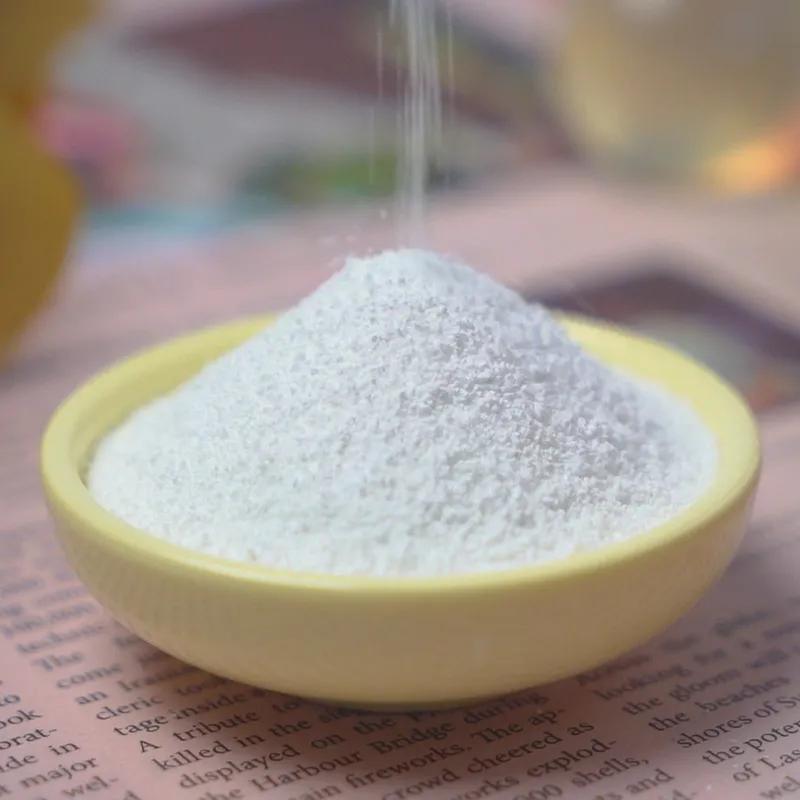
Appearance: Sorbitol powder is a white, odorless, and hygroscopic powder. It has a fine, granular texture.
Solubility: It is highly soluble in water, with a solubility of about 1 part in 0.45 parts of water at 25°C. It is also soluble in ethanol and glycerin to some extent.
Melting Point: The melting point of sorbitol powder is around 94 - 96°C.
Hygroscopicity: It has strong hygroscopic properties, which means it can absorb moisture from the surrounding environment. This property makes it prone to clumping if not stored properly.
Chemical Properties
Stability: Sorbitol is relatively stable under normal conditions of temperature and humidity. However, it can undergo oxidation reactions under certain conditions, especially in the presence of strong oxidizing agents.
Reducing Property: Sorbitol is a reducing sugar alcohol. It can react with some oxidizing agents due to the presence of hydroxyl groups, which can be oxidized to corresponding carbonyl compounds.
2. Application Scenarios
Food Industry
Sweetener: Sorbitol powder is used as a sugar substitute in various food products. It has a sweet taste that is about 50 - 70% as sweet as sucrose. It is commonly used in sugar - free or reduced - sugar foods such as chewing gums, candies, baked goods, and beverages. For people with diabetes or those on a low - calorie diet, sorbitol can provide sweetness without causing significant blood sugar spikes.
Humectant: It helps to retain moisture in food products, preventing them from drying out and maintaining their freshness and texture. In products like cakes, cookies, and soft candies, sorbitol can keep them soft and moist for a longer time.
Texture Modifier: Sorbitol can influence the texture of food. It can give a smooth and creamy mouthfeel to products such as ice creams and dairy desserts.
Pharmaceutical Industry
Excipient: In pharmaceutical formulations, sorbitol powder is used as an excipient. It can be used as a filler in tablets and capsules, helping to achieve the desired dosage form and consistency. It also acts as a sweetener in liquid medicines, making them more palatable for patients, especially children.
Osmotic Diuretic: In some medical applications, sorbitol can be used as an osmotic diuretic. It works by increasing the osmotic pressure in the kidneys, which helps to draw water into the urine and increase urine output.
Cosmetics Industry
Moisturizer: Sorbitol powder is a common ingredient in cosmetics and personal care products. It has excellent moisturizing properties, helping to hydrate the skin and hair. In creams, lotions, and shampoos, it can prevent moisture loss from the skin and hair, keeping them soft, smooth, and supple.
Humectant in Oral Care Products: In toothpastes and mouthwashes, sorbitol acts as a humectant, maintaining the moisture level in the product and preventing it from drying out. It also provides a pleasant mouthfeel.
Industrial Applications
Plasticizer: In the plastics industry, sorbitol can be used as a plasticizer in some polymer systems. It can improve the flexibility and processability of polymers.
Chemical Intermediate: Sorbitol is an important intermediate in the production of other chemicals. For example, it can be used in the synthesis of sorbitan esters, which are widely used in the food, cosmetic, and pharmaceutical industries as emulsifiers and stabilizers.


Hot Tags: sorbitol powder, China sorbitol powder manufacturers, suppliers