

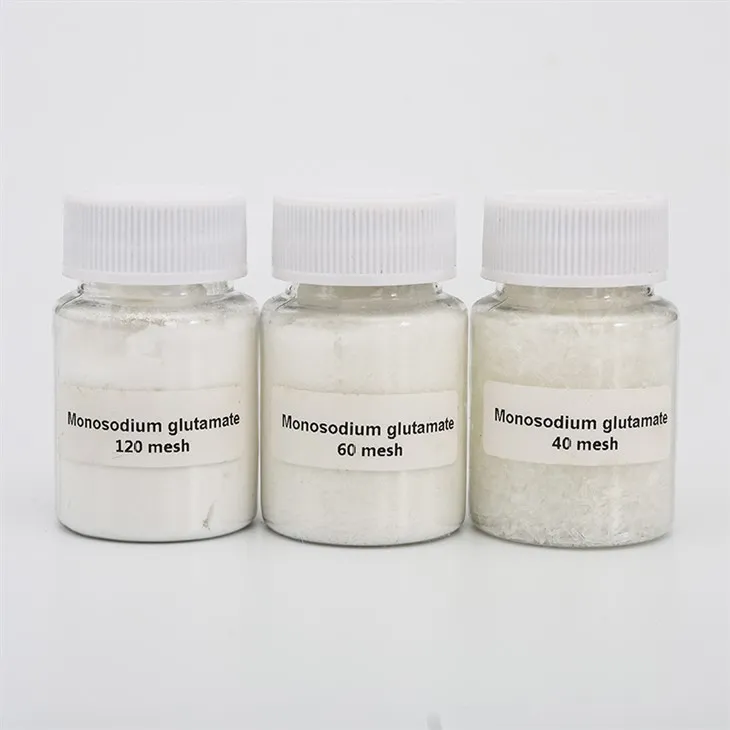


Sodium glutamate, also known as MSG, is a common food additive mainly used to enhance the umami taste of food, increase appetite, promote digestion, provide energy, and so on.
- Enhance the umami taste of food: Sodium glutamate can combine with other amino acids in food to form a new compound, which can enhance the umami taste of food.
- Improve appetite: Studies have found that glutamate can stimulate people's taste nerves and make people eat.
- Promote digestion: Sodium glutamate can stimulate the secretion of saliva and gastric juices, thereby promoting the digestion of food.
- Provide energy: Sodium glutamate is one of the essential amino acids of the human body, and the human body needs to consume a lot of energy in the metabolic process. Therefore, the intake of the right amount of sodium glutamate, can provide energy for the human body.
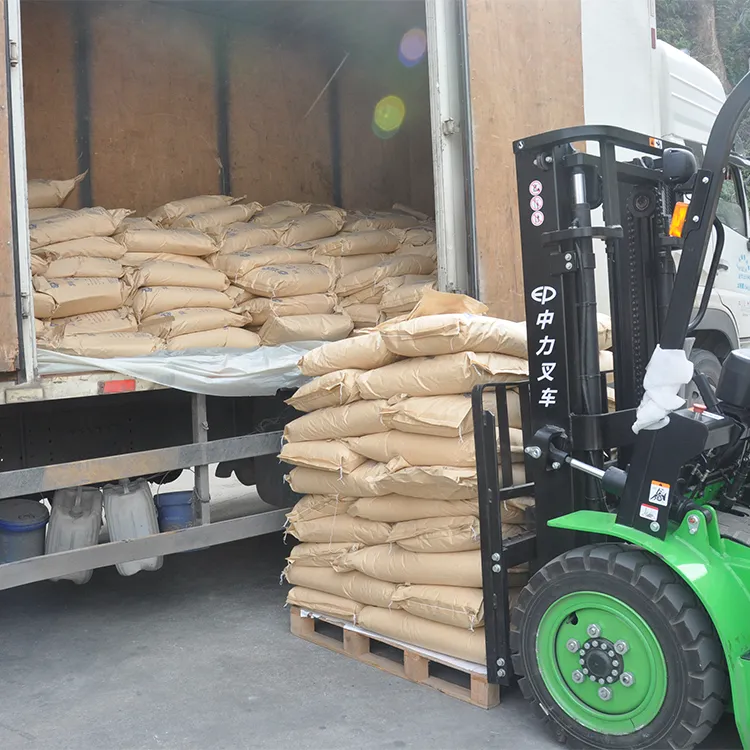
Packaging & Transportation


Monosodium Glutamate (MSG)
A naturally occurring amino acid derivative chemically known as the sodium salt of glutamic acid, widely used as a flavor enhancer in food to intensify umami taste and improve overall flavor perception.
Key Characteristics
Chemical Formula: C₅H₈NO₄Na
Alternative Names: MSG, Accent (brand name).
Sources:
Natural Occurrence: Found in fermented foods (e.g., soy sauce, cheese, tomatoes, seaweed).
Industrial Production: Derived via microbial fermentation of starch or sugars.
Physical Form: White crystalline powder or colorless crystals, highly soluble in water.
Flavor Profile: Strong umami enhancement with low sweetness and no bitterness.
Stability: Heat-stable, suitable for cooking and food processing.
Functions and Applications
1. Food Industry
Flavor Enhancer: Boosts umami in soups, meats, snacks (e.g., chips, instant noodles). Examples include Knorr bouillon cubes and Ajinomoto seasoning.
Flavor Synergy: Amplifies savory notes when combined with salt or nucleotides (e.g., inosinate).
Salt Reduction: Enhances salt perception at lower sodium levels, aiding low-sodium product development.
2. Pharmaceutical Applications
Drug Formulations: Masks bitterness in oral medications (e.g., chewable multivitamins).
Nutritional Supplements: Glutamic acid supports neurotransmitter synthesis; added to some health products.
3. Cosmetics
Skincare: Acts as pH adjuster or humectant in cleansers and toners.
Technical Parameters and Advantages
Umami Potency: Low threshold (detectable at 0.03% concentration), highly effective in enhancing flavor.
Metabolic Pathway: Glutamic acid is an essential amino acid involved in protein synthesis and energy metabolism.
Heat Stability: Withstands temperatures up to 200°C, ideal for baking and frying.
Applications:
Food: Instant noodles, sauces, frozen meals.
Pharmaceuticals: Chewable vitamins, cough syrups.
Cosmetics: Gentle facial cleansers.
Safety and Controversies
Regulatory Status:International Recognition:
FDA: Classified as GRAS (Generally Recognized as Safe).
EFSA: No established ADI (Acceptable Daily Intake), deems it safe for consumption.
China: Permitted under GB 2760 with usage limits per food category.
Controversies:
1968 "Chinese Restaurant Syndrome": Reports of headaches and nausea linked to MSG, but subsequent studies found no causal evidence.
2017 EFSA Review: Confirmed MSG's safety, stating no allergenicity or toxicity at normal dietary levels.
Side Effects: Rare sensitive individuals may experience transient symptoms (e.g., dizziness, sweating).
Application Examples
Food: Master Kong Instant Noodle seasoning, Kraft cheese powder.
Pharmaceuticals: Children's chewable vitamin supplements.
Cosmetics: Dove Deep Moisture Cleansing Bar.
Summary: Monosodium glutamate is one of the most widely used flavor enhancers globally, prized for its efficiency in amplifying umami and metabolic safety. Despite historical controversies, mainstream scientific consensus supports its safety in moderation, making it ideal for applications requiring enhanced flavor and reduced sodium content.


Hot Tags: monosodium glutamate, China monosodium glutamate manufacturers, suppliers