

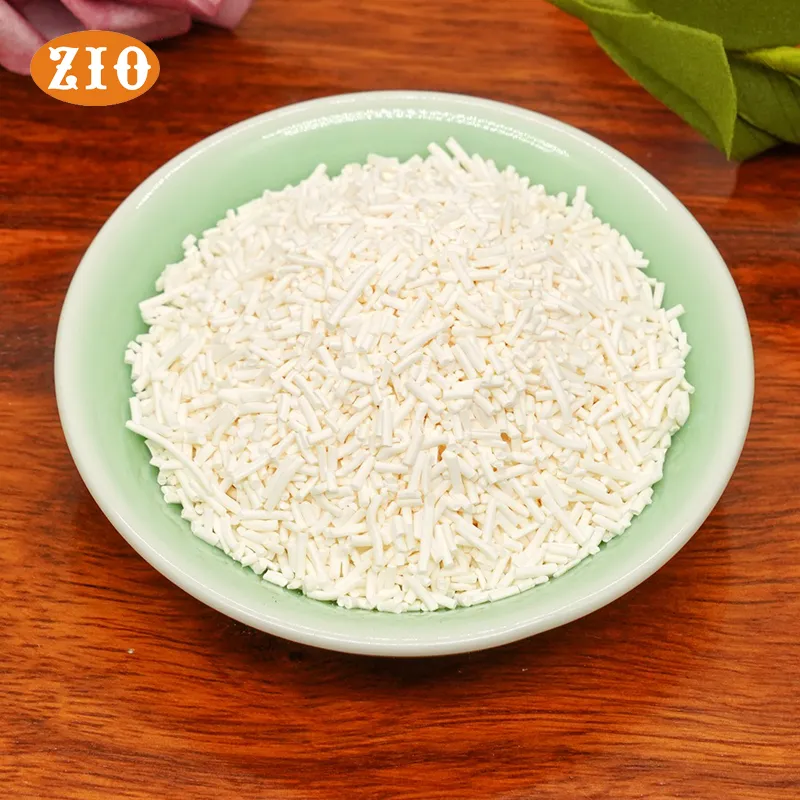


Potassium sorbate is a highly effective food preservative that inhibits mold, yeast, and some bacteria, especially in acidic foods (pH<6.5). It works by disrupting microbial enzymes and cell membranes. Widely used in beverages (juices, sodas), baked goods, dairy, and sauces to extend shelf life. Safe for consumption, metabolized into water and CO₂, with an ADI of 0-25mg/kg.
Potassium sorbate can effectively inhibit the activity of molds, aerobic bacteria and yeast, and can also prevent the reproduction of microorganisms such as Staphylococcus aureus, Clostridium botulinum and Salmonella, but is ineffective against anaerobic spore bacteria and Lactobacillus acidophilus and other microorganisms. the growth-inhibiting effect is stronger than its bactericidal effect, thereby achieving the purpose of extending the food preservation time while maintaining the original flavor of the food.
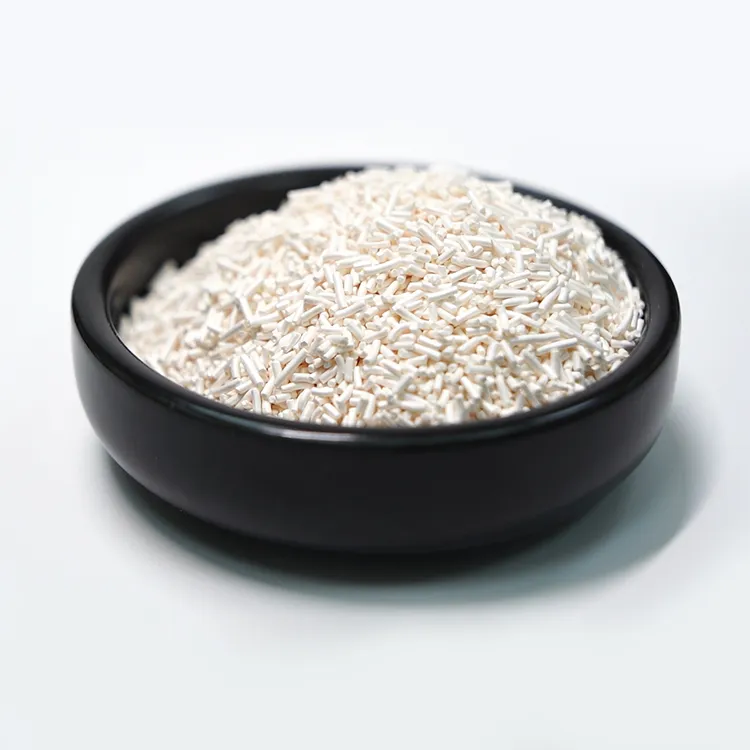
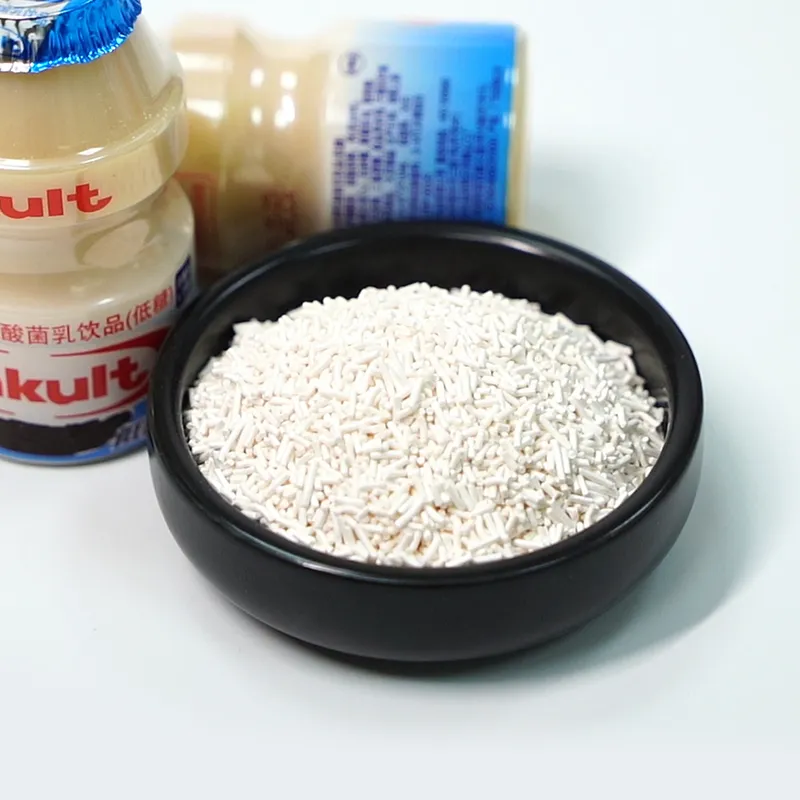
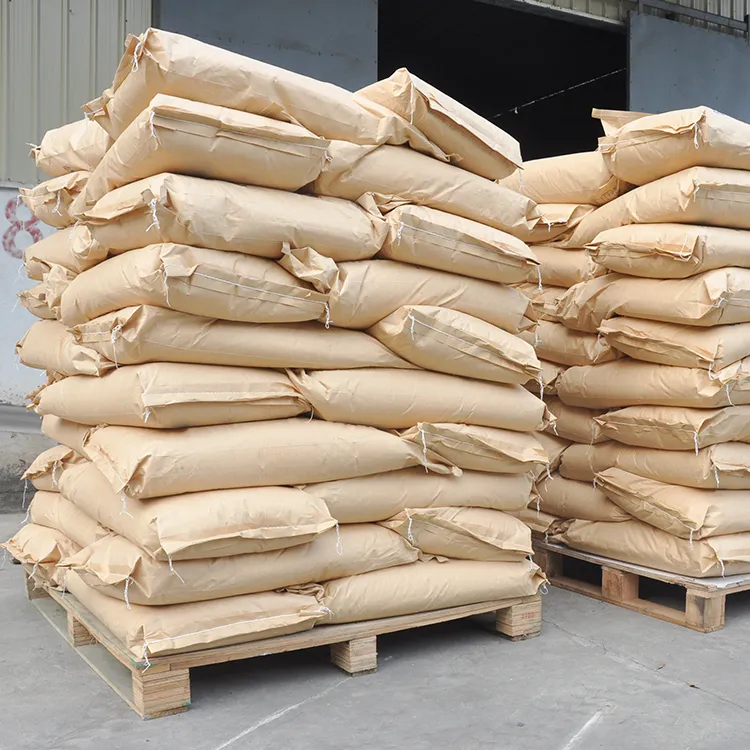
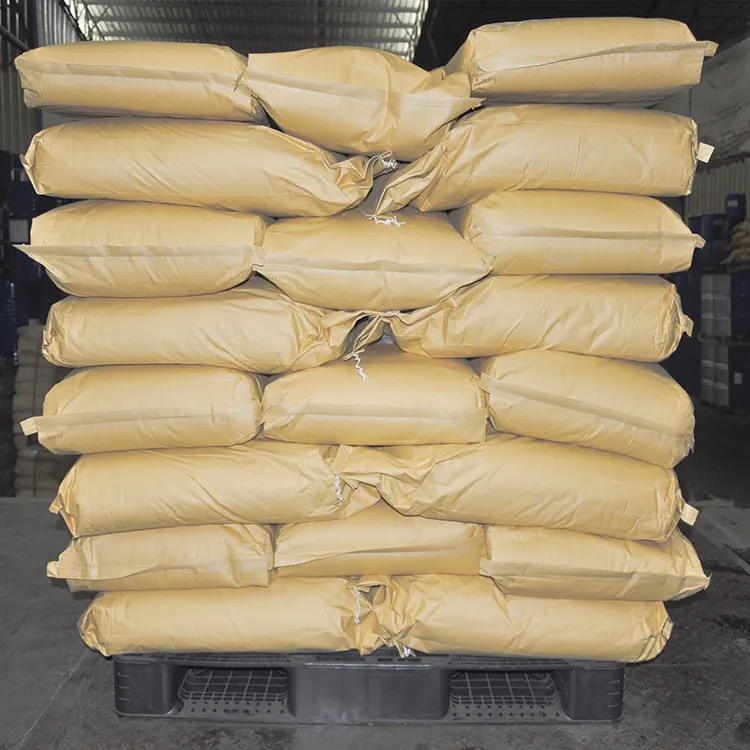
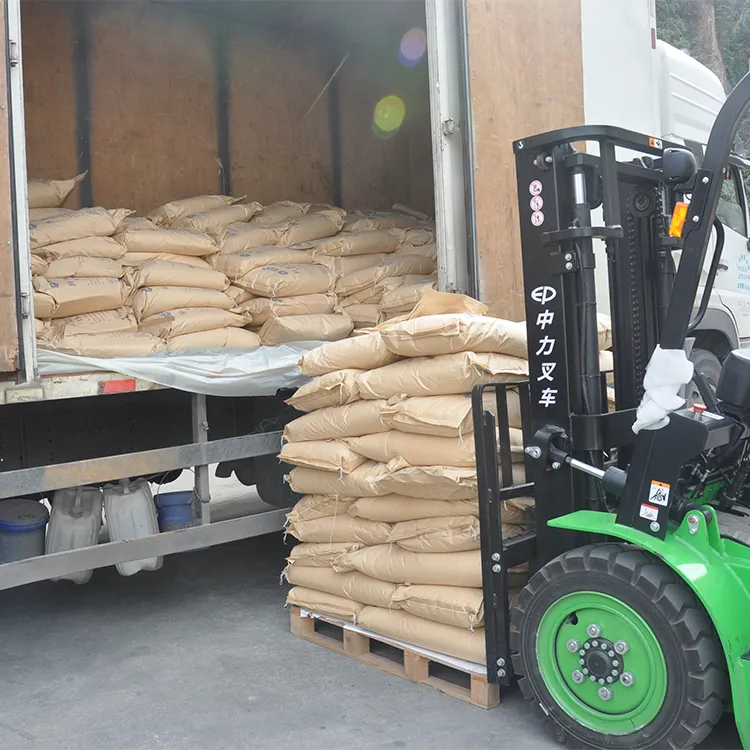
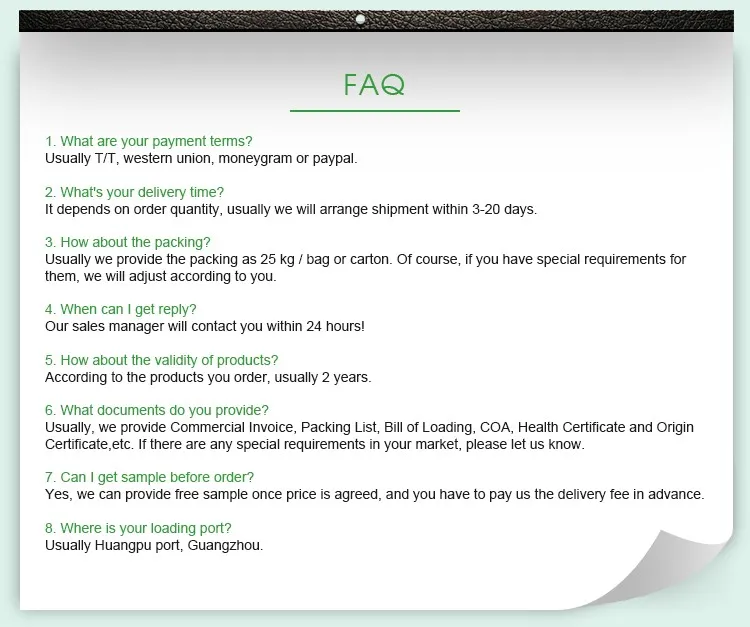
Packaging & Transportation
I. Basic Information
1. Chemical Properties
Chemical Name: Potassium (2E,4E)-hexa-2,4-dienoate
Molecular Formula: C₆H₇KO₂
CAS No.: 590-00-1/24634-61-5
Molecular Weight: 150.22 g/mol
Structural Feature: Unsaturated fatty acid salt with conjugated double bonds
2. Physical Properties
| Parameter | Specification |
|---|---|
| Appearance | White flakes/powder |
| Solubility (20℃) | Water: 58.2g/100ml |
| pH (1% sol.) | 7-8 |
| Decomposition | 270℃ (onset) |
| Odor | Slight characteristic |
3. Chemical Properties
Antioxidant: Delays lipid oxidation
Antimicrobial Spectrum: Broad-spectrum (mold/yeast/aerobes)
Effective pH Range: 2.5-6.5 (optimal <6)
Heat Stability: Good (baking applicable)
II. Mechanism of Action
Microbial Inhibition
Disrupts enzyme systems (especially dehydrogenase)
Interferes with membrane transport
Inhibits electron transport chain
Synergistic Effects
With sodium benzoate: Broadens spectrum
With sodium dehydroacetate: Enhances anti-mold
With nisin: Targets Gram-positive bacteria
III. Application Scenarios
1. Food Preservation (Primary Use)
Beverages:
Fruit juices (0.03-0.1%)
Carbonated drinks (yeast control)
Plant protein drinks
Processed Foods:
Baked goods (bread/cake 0.1-0.3%)
Pickles (replaces high-salt preservation)
RTE meat products
Dairy:
Cheese surface treatment
Yogurt (combined with pasteurization)
2. Cosmetic Preservation
Skincare:
Toners
Emulsions (pH<6 systems)
Personal Care:
Toothpaste preservative
Wet wipes preservative
3. Other Fields
Feed Preservation: Combined with calcium propionate
Pharmaceuticals: Liquid preparations
Industrial: Water-based paint mildewcide
IV. Usage Standards
| Food Category | China Limit(g/kg) | EU Limit(g/kg) |
|---|---|---|
| Meat Products | 0.075 | 0.1 |
| Fruit Juice | 0.2 | 0.3 |
| Wine | 0.2 | 0.2 |
| Sauce | 1.0 | 1.0 |
V. Safety Notes
ADI: 0-25mg/kg bw (JECFA)
Metabolism: Fully degraded to CO₂ + water
Storage: Lightproof & dry (2-year shelf life)
Incompatibility: Avoid strong oxidizers
Note: Effectiveness decreases significantly above pH 6.5 - optimal in acidic products.




Hot Tags: potassium sorbate, China potassium sorbate manufacturers, suppliers