

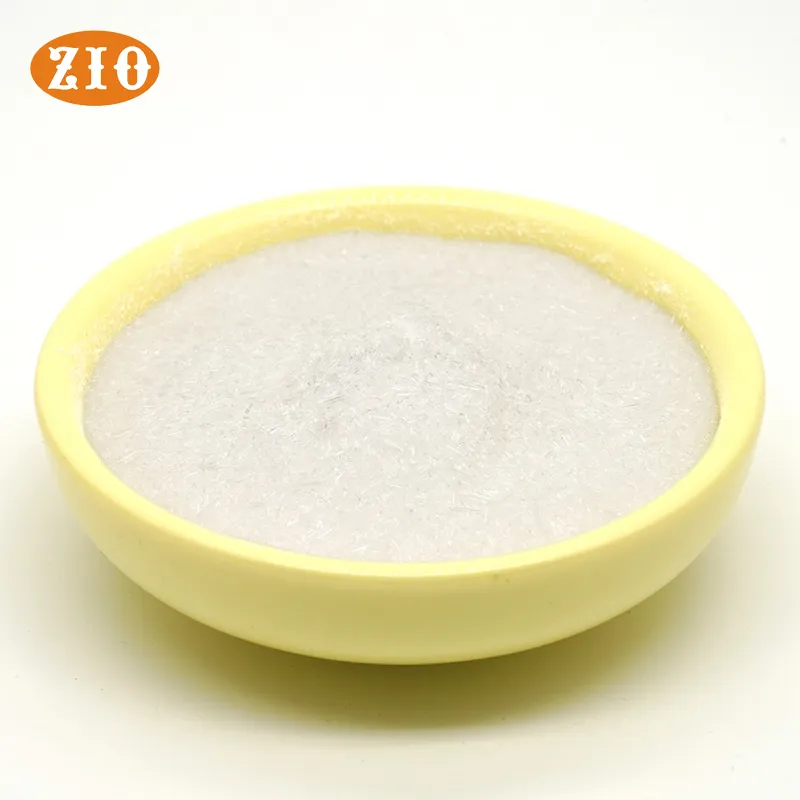


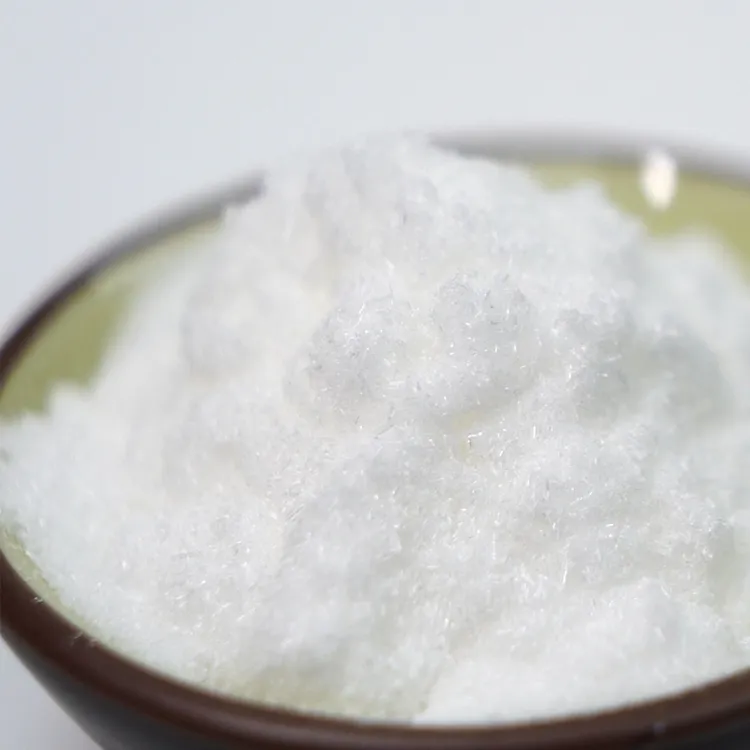
Taurine, which appears as a white crystalline powder. It can be widely used in food additives, optical brighteners and other fields, it can also be used as a reagent, wetting agent, buffer and so on.
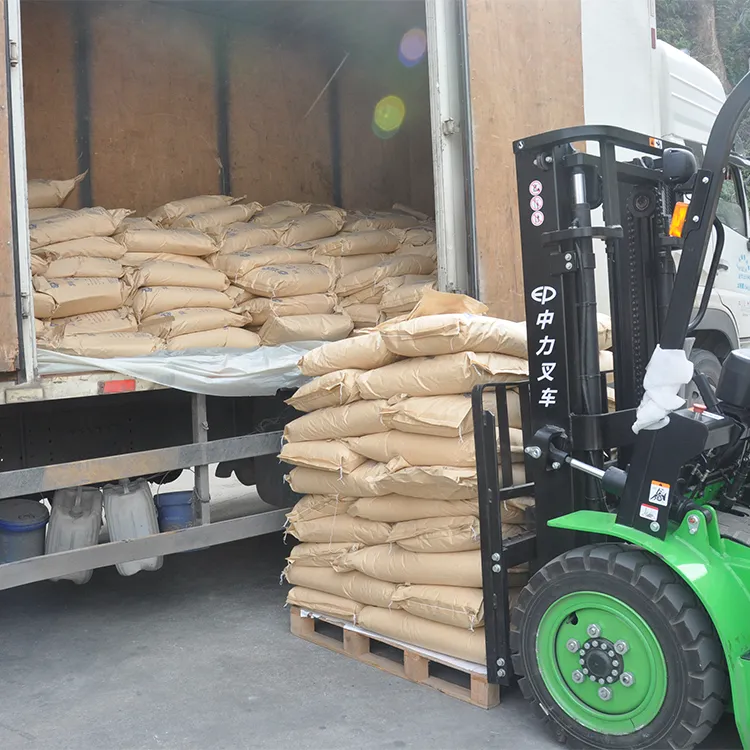
Packaging & Transportation


Taurine Basic Information
1. Definition and Chemical Structure
Taurine, with the chemical formula C2H7NO3S, is a sulfur - containing amino acid - like compound. Although it is not incorporated into proteins like most amino acids, it plays vital roles in the body. Structurally, it consists of a sulfur atom bonded to an amino group and a carboxyl group in a specific arrangement.
2. Physical and Chemical Properties
Appearance: Taurine usually appears as a white crystalline powder.
Solubility: It is highly soluble in water and ethanol, which makes it easy to be formulated in various liquid and semi - solid products.
Melting Point: The melting point of taurine is around 328 - 332°C (decomposition).
3. Natural Sources
Animal - based Foods: Taurine is abundant in animal products. Meats such as beef, pork, and lamb are good sources. Seafood, including fish and shellfish, also contains significant amounts of taurine. For example, shellfish like clams and scallops are particularly rich in taurine.
Human Body Synthesis: In the human body, taurine can be synthesized from cysteine and methionine through a series of enzymatic reactions. However, the endogenous synthesis may not always meet the body's needs, especially in certain physiological conditions or life stages.
4. Physiological Functions in the Human Body
Cardiovascular Health: Taurine helps to regulate the contraction and relaxation of heart muscle cells. It can also lower blood pressure by promoting the excretion of sodium and water, reducing the workload on the heart. Additionally, it has antioxidant properties that protect the heart from oxidative stress and damage.
Eye Health: It is an important component of the retina. Adequate taurine levels are essential for maintaining normal vision, especially in the development and function of photoreceptor cells.
Central Nervous System: Taurine acts as a neurotransmitter or neuromodulator in the brain. It is involved in the development and function of the nervous system, and may have neuroprotective effects, helping to prevent or slow down neurodegenerative diseases.
Detoxification: Taurine participates in the detoxification process in the liver. It can conjugate with certain toxins and drugs, making them more water - soluble and easier to excrete from the body.
Electrolyte Balance: It helps to maintain the balance of electrolytes, especially calcium and potassium ions, in cells. This is crucial for normal cell function, including muscle contraction and nerve impulse transmission.
Application Scenarios
1. Food and Beverage Industry
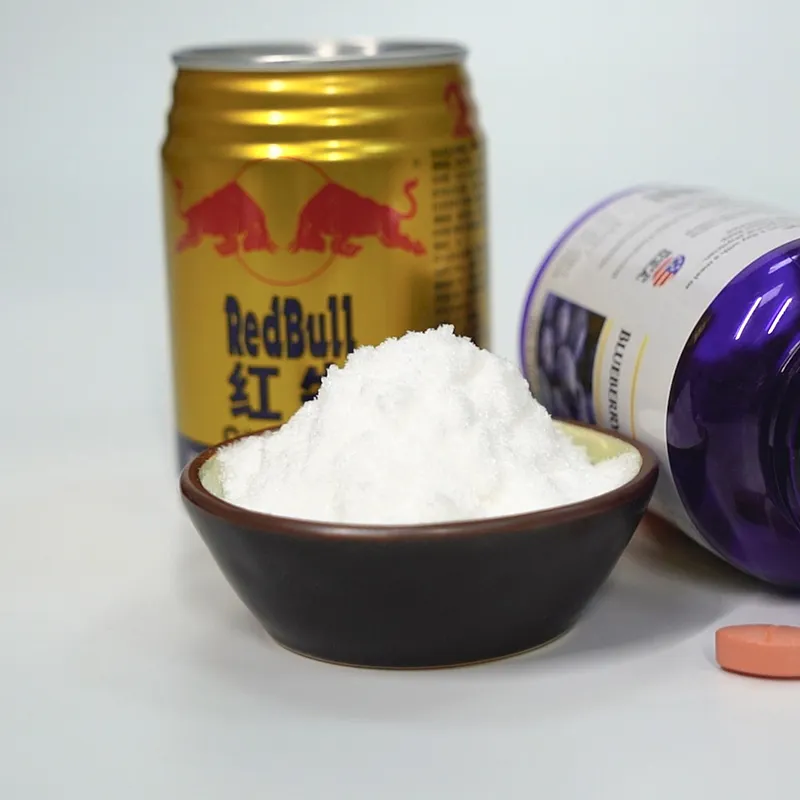
Energy Drinks: Taurine is a common ingredient in energy drinks. It is believed to enhance physical performance, increase alertness, and reduce fatigue. When combined with caffeine and other ingredients, it may provide a synergistic effect, improving the consumer's energy level and mental focus.
Infant Formula: Since infants have limited ability to synthesize taurine, it is added to infant formula to meet their nutritional needs. Taurine is important for the development of the infant's brain, eyes, and cardiovascular system.
Functional Foods: It is incorporated into various functional foods, such as health - promoting bars, shakes, and dietary supplements. These products are marketed for their potential health benefits, including improving heart health, enhancing vision, and supporting the nervous system.
2. Pharmaceutical Industry
Cardiovascular Drugs: Taurine is used as an adjunct in the treatment of cardiovascular diseases. It can be formulated into tablets or injections to help lower blood pressure, improve heart function, and protect the heart from damage.
Eye Drops: In ophthalmology, taurine is added to eye drops to treat and prevent eye diseases related to oxidative stress and retinal damage. It helps to maintain the normal function of the retina and may slow down the progression of age - related macular degeneration and other eye disorders.
Neurological Drugs: Due to its neuroprotective and neuromodulatory effects, taurine is being researched for use in the treatment of neurological diseases such as epilepsy, Parkinson's disease, and Alzheimer's disease. It may help to reduce seizures, improve motor function, and protect nerve cells from damage.
3. Animal Feed Industry
Pet Food: Taurine is an essential nutrient for cats. Since cats have a limited ability to synthesize taurine, it must be provided in their diet. Taurine - fortified pet food is crucial for maintaining the health of cats, especially their cardiovascular and visual systems.
Livestock Feed: In the breeding of some livestock, such as poultry and pigs, adding taurine to the feed can improve growth performance, enhance immune function, and reduce the incidence of diseases. It may also have a positive impact on the quality of meat and eggs.
4. Cosmetics Industry
Skincare Products: Taurine is added to some skincare products due to its antioxidant and moisturizing properties. It can help to protect the skin from free radical damage, improve skin elasticity, and keep the skin hydrated. Some anti - aging creams and lotions may contain taurine to reduce the appearance of fine lines and wrinkles.
Haircare Products: In hair care, taurine may be used to strengthen the hair shaft, promote hair growth, and improve the overall health of the scalp. It can be found in shampoos, conditioners, and hair growth serums.







Hot Tags: taurine, China taurine manufacturers, suppliers