

Product Overview
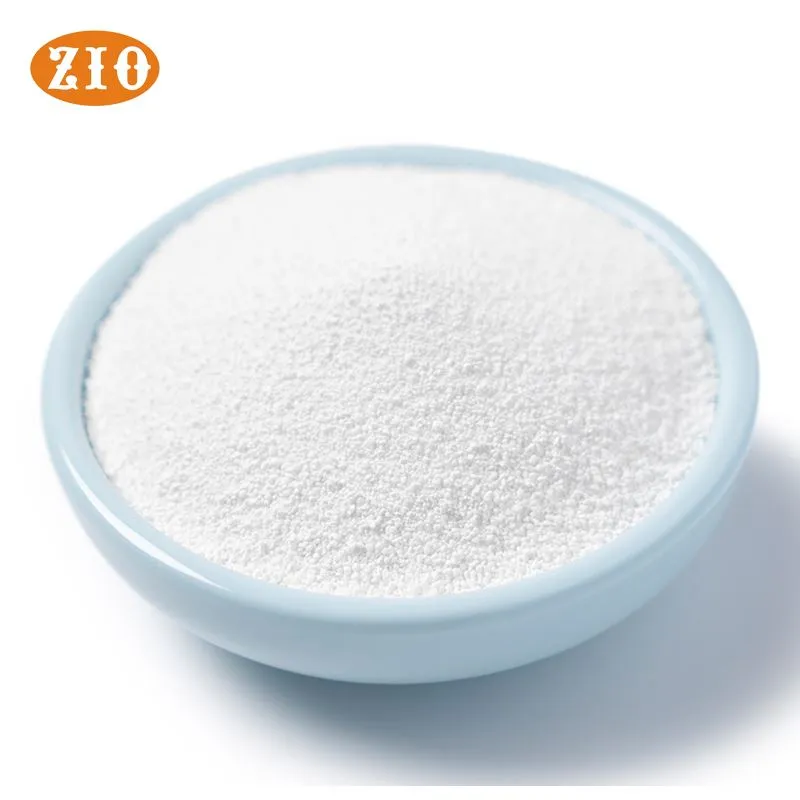
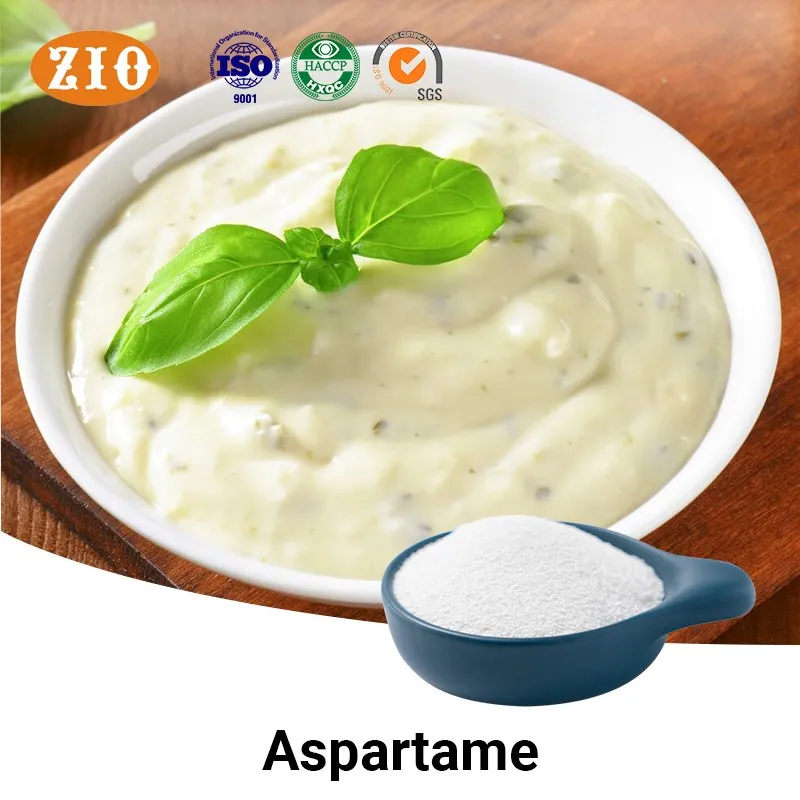
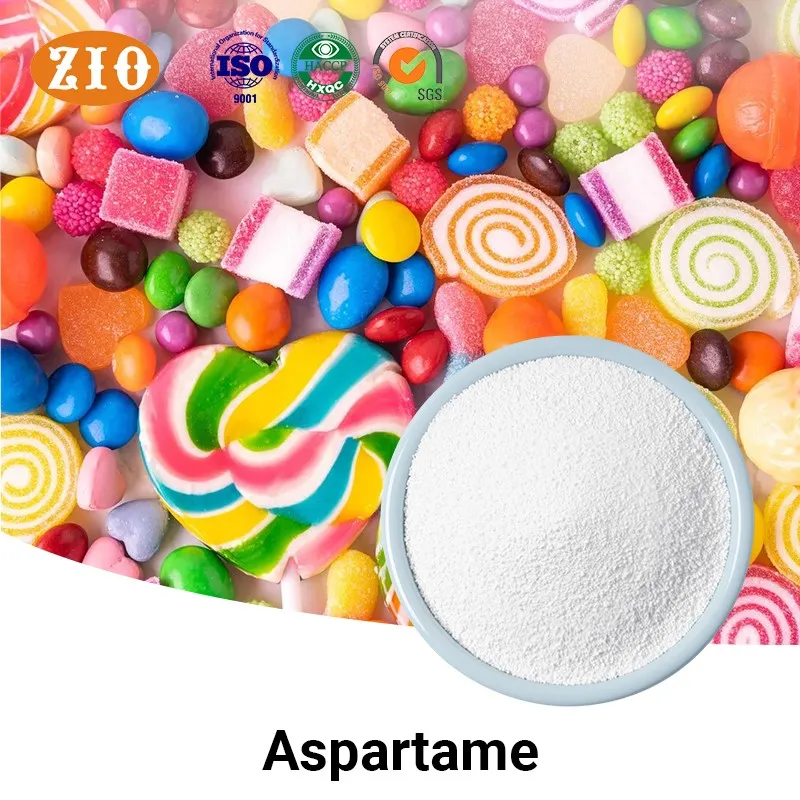
Food Grade Aspartame Sweetener is a high-intensity, low-calorie sweetener widely utilized in beverages, confectionery, dairy products, tabletop sweeteners, and various nutritional applications.
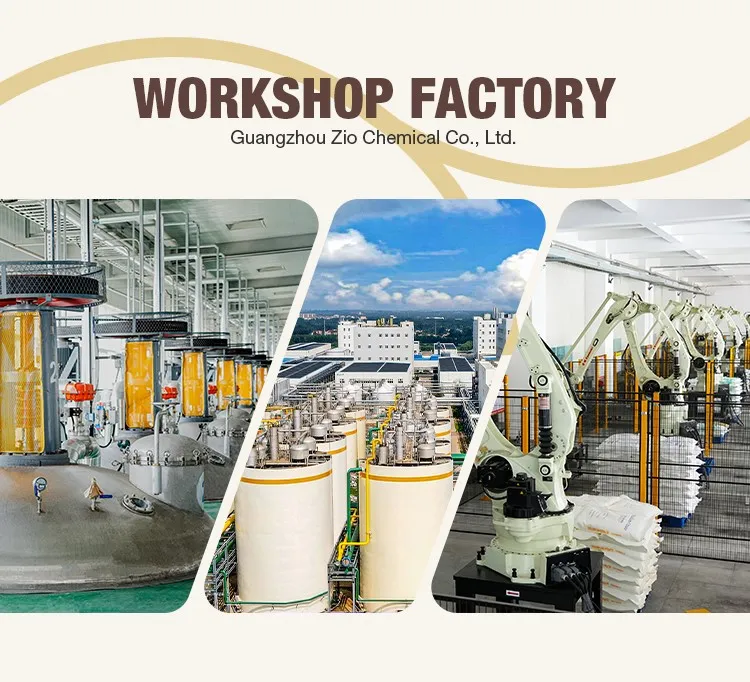
Manufactured in state-of-the-art, food-grade facilities under strict quality control, our Aspartame delivers a clean sweet taste, reliable stability, and exceptional batch-to-batch consistency to meet the rigorous demands of global food manufacturers.
With a typical assay of 99.18% and stringent control over related substances, heavy metals, and moisture levels, our product fully complies with international food safety regulations (USP/EP/FCC/E951), ensuring a seamless supply chain for global ingredient buyers.
Typical Certificate of Analysis (COA)
Note: The data below represents a typical Certificate of Analysis (COA) batch result. Every shipment is accompanied by a batch-specific COA to ensure complete traceability.
|
Items |
Specifications |
Analysis results |
|
Assay (on dry basis) (%) |
99.0~102.0 |
99.18 |
|
Appearance |
White crystalline powder |
Conforms |
|
Optical rotation (°) |
+14.5~+16.5 |
+16.5 |
|
Transmittance |
≥0.95 |
0.992 |
|
PH |
4.5~6.0 |
5.32 |
|
Loss on drying (%) |
≤4.5 |
3.04 |
|
Residue on ignition (%) |
≤0.2 |
0.15 |
|
Lead (mg/kg) |
≤1 |
<1 |
|
Other related substance (%) |
≤2.0 |
<2.0 |
|
DKP (Diketopiperazine) |
≤1.5 |
<1.5 |
Key Features & Benefits
Our high assay level (99.18%) minimizes impurities to deliver a clean, sugar-like sweetness with no bitter aftertaste.
With a light transmittance of 0.992, the powder dissolves rapidly into crystal-clear solutions perfect for beverages and syrups.
Heavy metals are strictly controlled with lead under 1 mg/kg, comfortably exceeding global food safety standards.
Optimized moisture levels (3.04%) ensure excellent free-flowing properties and significantly reduce clumping during transit.
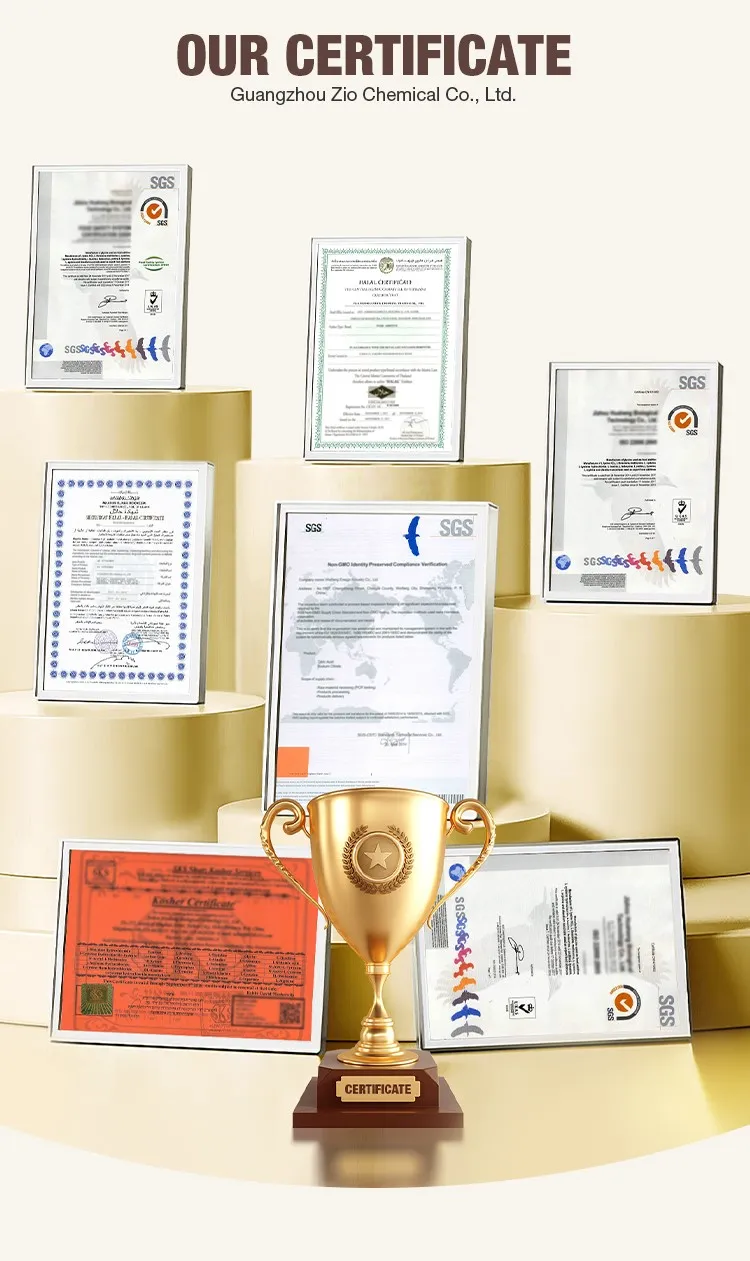
Full FSSC 22000, Halal, Kosher, and SCAN certifications guarantee seamless customs clearance and hassle-free audits.
Key Applications & Market Insights
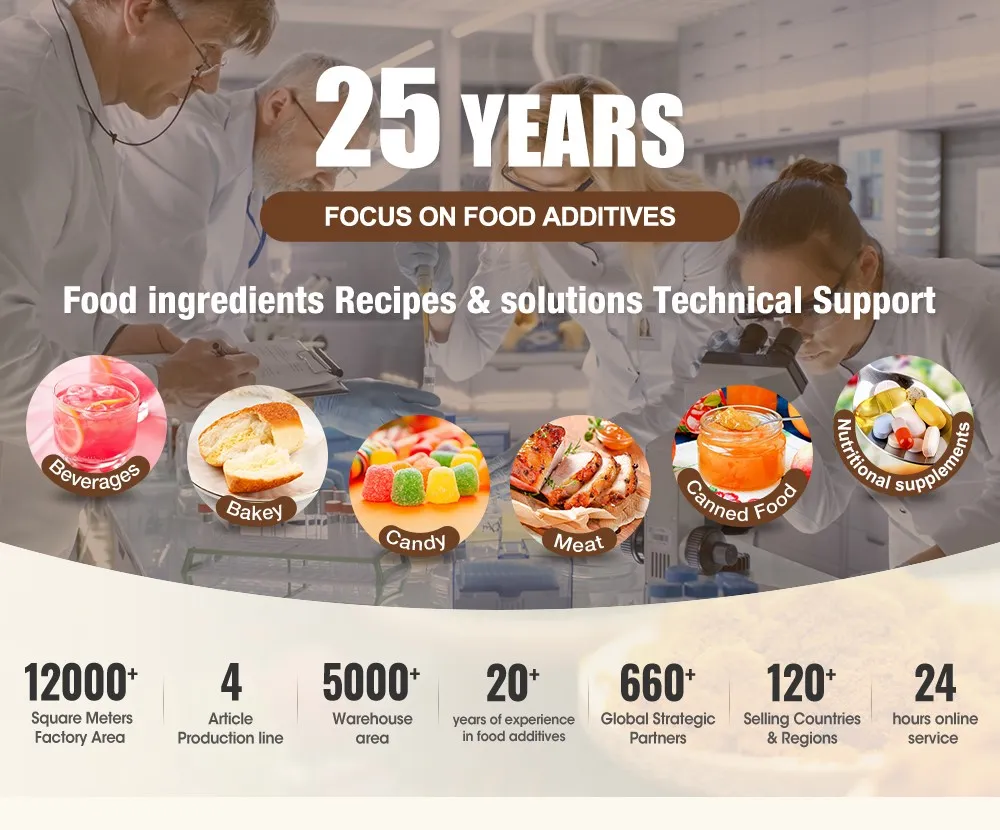
Our Food Grade Aspartame is engineered to fit seamlessly into diverse formulation matrices:
Beverages: Carbonated soft drinks, fruit juices, powdered drink mixes, and flavored waters.
Confectionery & Bakery: Chewing gum, sugar-free mints, chocolates, and hard candies.
Dairy Products: Low-calorie yogurts, flavored milks, and frozen desserts.
Tabletop Sweeteners: Formulated as individual packets, spoons, or tablets for consumer use.
Quality Assurance
Advanced Testing Capability: Every batch undergoes rigorous High-Performance Liquid Chromatography (HPLC) testing in our in-house laboratory to verify purity and control degradation products like DKP (5-benzyl-3,6-dioxo-2-piperazineacetic acid).
Third-Party Validation: We cooperate regularly with internationally recognized testing institutions such as SGS, Eurofins, and Intertek to provide independent third-party test reports upon request.
Full Traceability: From raw materials (L-phenylalanine and L-aspartic acid) to the finished product delivery, our strict lot-numbering system ensures 100% full-process traceability.
Packaging & Storage
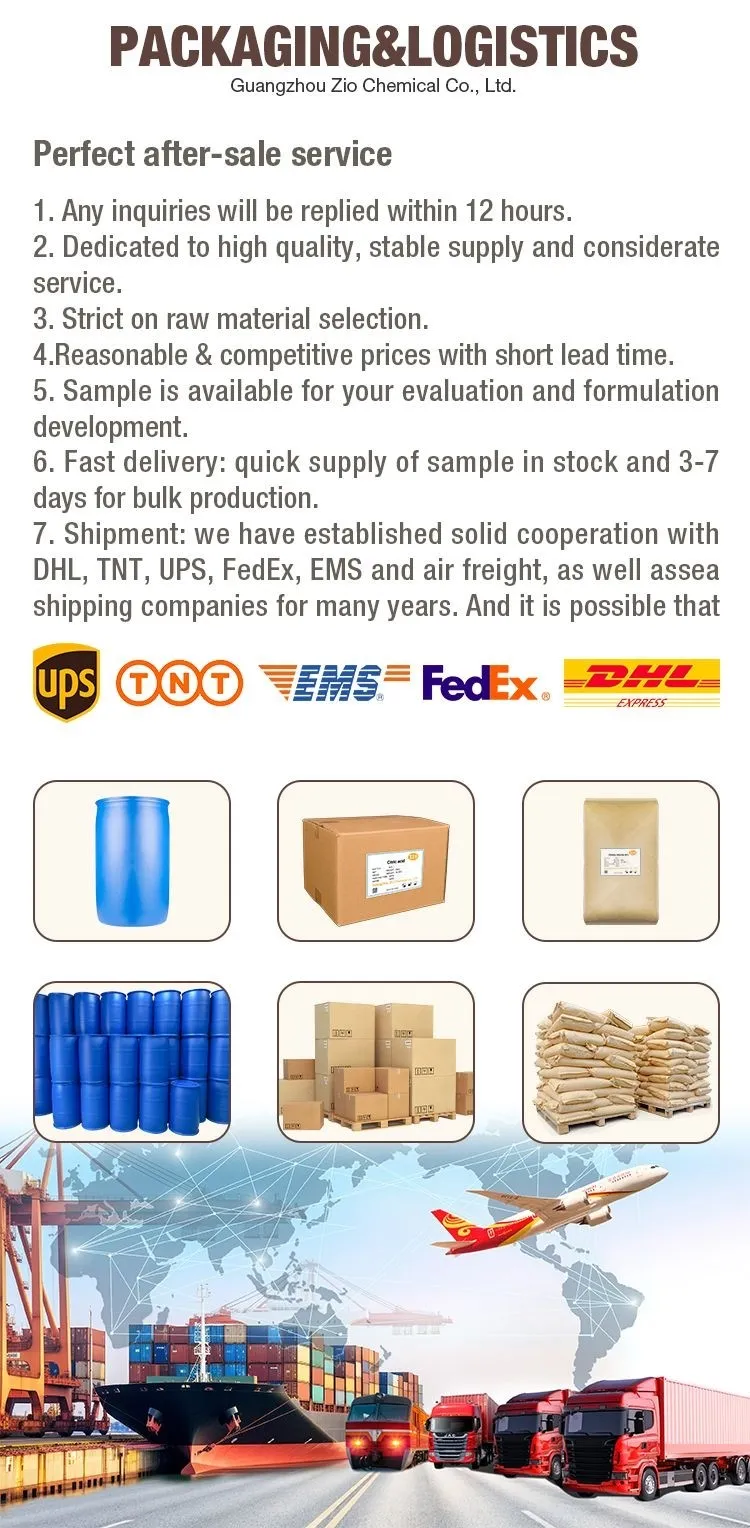
Standard Packaging: 25kg net weight per fiber drum or multi-layer Kraft paper bag with food-grade PE inner liner.
Storage Condition: Store in a cool, dry place, away from moisture, strong heat, and direct sunlight. Keep containers tightly closed when not in use.
Shelf Life: 24 months from the date of manufacture when stored under recommended conditions.


FAQ
Hot Tags: food grade aspartame sweetener, China food grade aspartame sweetener manufacturers, suppliers, Acesulfame K AK Sugar Sweetener, Food Grade Aspartame Sweetener, Lactose Monohydrate Anhydrous, Maltitol Sweetener Powder and Liquid, Sodium Saccharin Sweetener Powder, Strawberry Ice Cream Powder