



Products Description
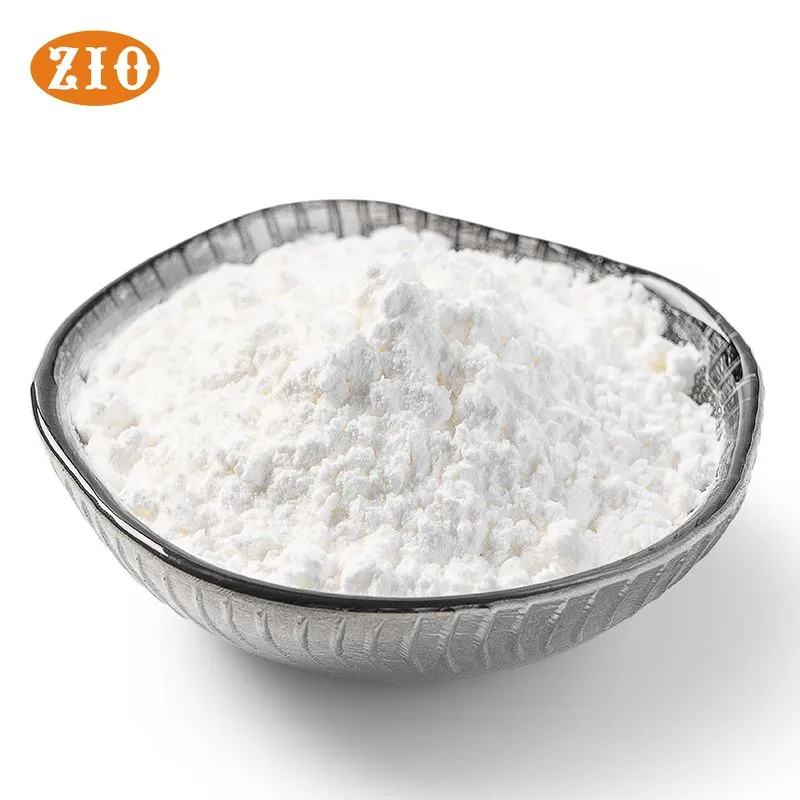
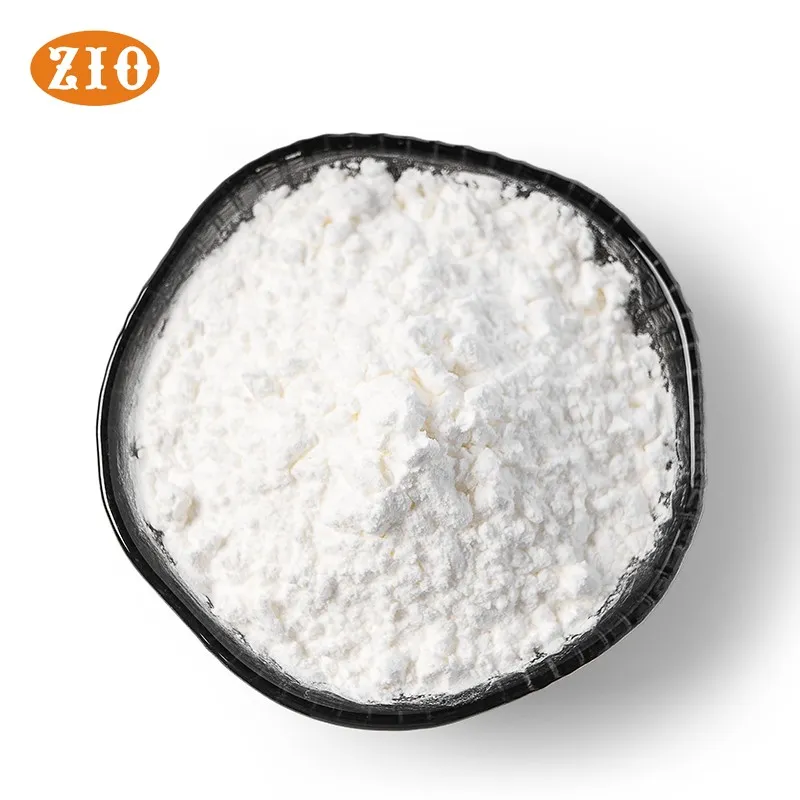
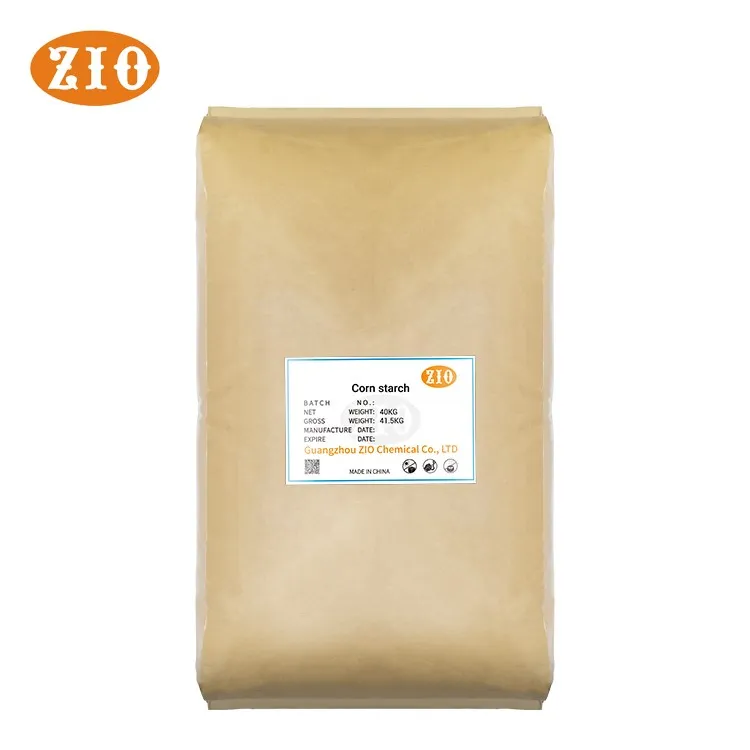
Corn starch (also known as corn flour or Indian corn meal) is commonly referred to as "six-grain powder". It is a white powder with a slight yellowish tint. It is made by soaking corn in a 0.3% solution of sulfur dioxide, followed by processes such as crushing, sieving, precipitation, drying, and grinding. The ordinary product contains a small amount of fat and protein.
It has strong hygroscopicity and can absorb up to 30% or more moisture.
|
Item |
technical requirements |
test result |
|
Appearance |
White or slightly yellowish shaded powder, glossy |
White or slightly yellowish shaded powder, glossy |
|
Odor |
the inherent special smell of corn starch |
the inherent special smell of corn starch |
|
Moisture/ % |
≤ 14.0 |
13.7 |
|
Acidity (dry basis) /°T |
≤ 1.80 |
1.51 |
|
Ash content (dry basis) % |
≤0.15 |
0.09 |
|
Protein |
≤0.40 |
0.30 |
|
Spot/ (PCS/CM²) |
≤0.7 |
0.4 |
|
Mesh (0.15mm testing sieve) /% |
≥99.0 |
99.6 |
|
Fat (dry basis)/ % |
≤0.15 |
0.09 |
|
Whiteness |
≥87.0 |
87.4 |
|
Sulfur dioxide/(g/kg) |
≤0.03 |
<0.01 |
Products Application
Starch sugar (including glucose syrup, maltose syrup, 42% fructose-based fructose-glucose syrup, and 55% fructose-based high fructose syrup, as well as medical crystalline glucose, etc.) is the largest category of products produced through the deep processing of starch. It is mainly used for food additives and also as raw materials for industry. As a raw material for downstream products, such as glucose, maltose, and high fructose syrup, these are all used in food. Additionally, starch sugar can be made into sorbitol and amino acids, which are also upstream raw materials for downstream products. The demand for these is considerable. Compared to sucrose, starch sugar has great competitiveness in terms of health benefits, practicality, and cost. This market space is still large.
Starch sugar is easily digested and absorbed by the human body, making it an important nutrient. Moreover, it has physiological functions that are not comparable to sucrose. Glucose, maltose, and fructose can all undergo hydrogenation to obtain sorbitol, maltitol, and mannitol, which are collectively referred to as polyols. Pure fructose and polyols have the characteristics of sweeteners and have been industrially produced. Pure fructose and polyols have metabolic pathways in the human body that are unrelated to insulin, so they can be used as special sweeteners for diabetics. Because they are not utilized by oral microorganisms, they will not cause tooth decay. Therefore, they are suitable for children's food, sugar-free chewing gum, and sugar-free candies. Also, due to their low energy values, they can be used to produce low-energy foods to prevent obesity. Functional sweeteners, which have been industrially produced, not only have the above advantages, but also because they are not digested and absorbed by the human body and directly enter the large intestine, they activate beneficial bifidobacteria in the intestines, promoting their growth and reproduction to inhibit the reproduction of harmful bacteria in the intestines, thereby protecting human health.
Pharmaceuticals
In the pharmaceutical industry, starch is the most important raw material. This is because almost all antibiotics are produced through the starch fermentation process, such as penicillin, cephalosporins, tetracycline, oxytetracycline, chlortetracycline, streptomycin, and various aminoglycoside antibiotics, all of which are produced from starch as the substrate through industrial microbial fermentation and extraction. Additionally, another important use of starch is as a drug formulator. In the early days, most tablets produced by pharmaceutical factories in various countries used corn starch as the filler and binder.
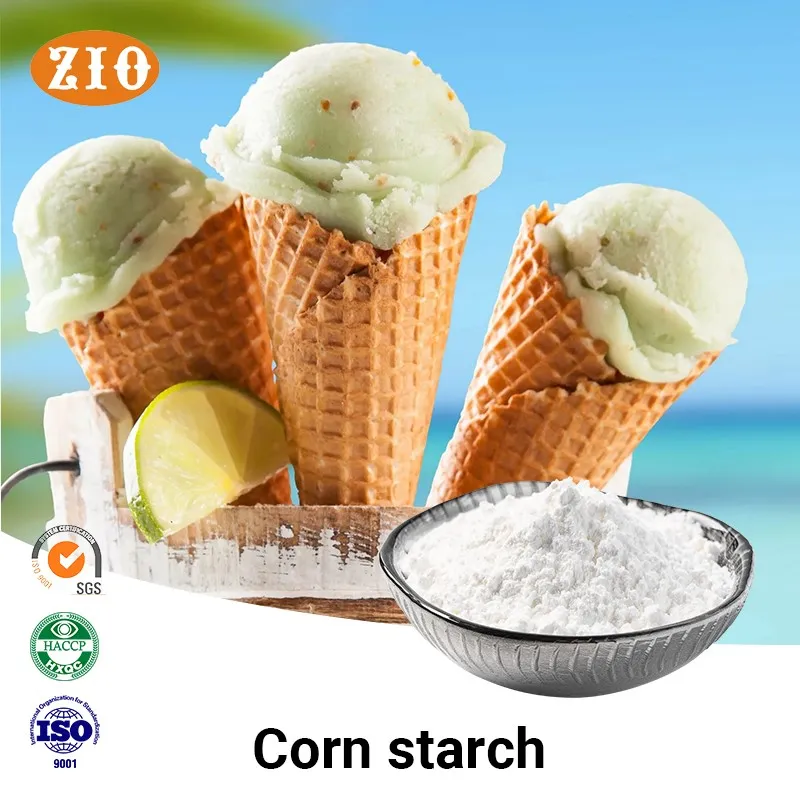
Starch, as a raw material, can be directly used in products such as noodles, dried noodles, meat products, ice cream, etc., and the demand is stable.
Beer
The application of beer syrup will see significant development in the future. In 2002, China's beer production was 23.8 million tons, and in 2004 it reached 29 million tons, ranking first in the world (the United States in 2003 produced over 23.2 million tons). Beer syrup can be directly added to the malt juice, simplifying the production process and at the same time increasing the sugar content of the fermentation liquid, such as from 11% to 16%, which can increase production capacity by more than 20%. This creates conditions for increased production during peak seasons. It is estimated that China's beer production will exceed 70 million tons in 2007, and the industry's demand for starch will increase to nearly 700,000 tons. It is expected that the usage will increase by another 200,000 tons in 2008.
Papermaking
Due to the high price of cassava and restrictions on its export by Thailand, the proportion of corn starch used in the papermaking industry has increased.
Other uses
When corn starch is mixed with water or milk, it has a unique appearance and texture, and is often used as an anti-agglomeration agent in sugar powder.
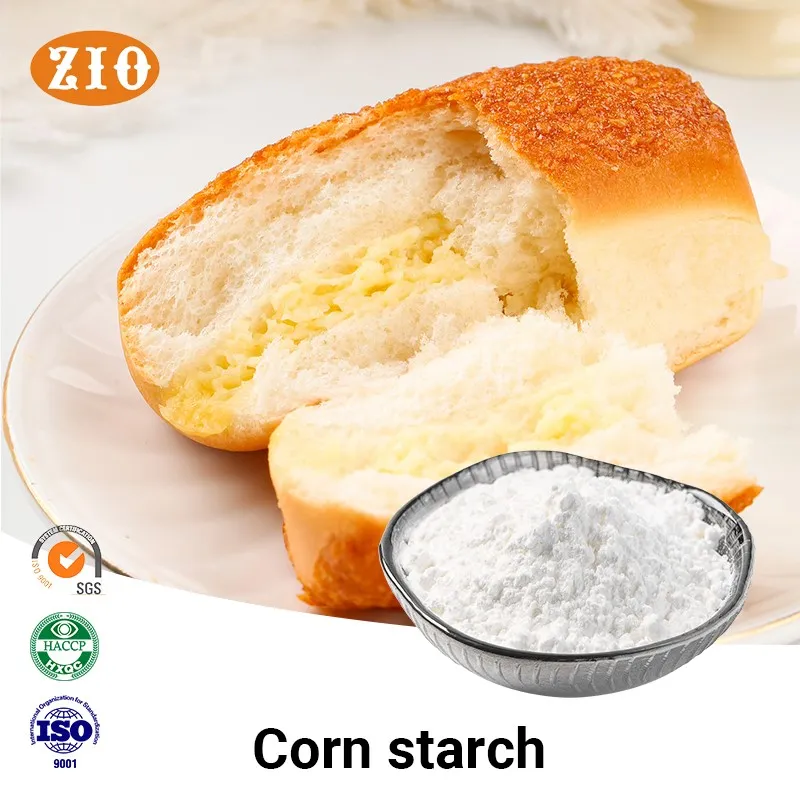
Corn starch is commonly used as a thickening agent for desserts such as puddings. The common ready-made pudding mixes available on the market all contain corn starch. Using a double boiler, with ingredients such as milk, sugar, corn flour, and flavor enhancers, simple corn flour puddings can be easily made.
Corn starch is also used as a thickening agent in Chinese and French cuisine. The "stirring" (also known as thickening sauce) in Chinese cuisine is generally made by combining corn starch with water.
Corn starch has multiple uses in the production of environmentally friendly products. For example, in 2004, Pioneer Company in Japan released a blue-ray disc made from corn starch, which can naturally degrade.
Products Details
Products Qualification







Hot Tags: corn starch, China corn starch manufacturers, suppliers