



Food industry:
In the food industry, microcrystalline cellulose, as an edible fiber and an ideal food additive, can maintain the stability of emulsions and foams, maintain high temperature stability, and improve the stability of liquids. It is used in dairy products, frozen foods, and meat. It is widely used in products, etc.


Microcrystalline Cellulose (MCC)
A crystalline polysaccharide derivative extracted from natural cellulose, widely used in pharmaceuticals, food, and cosmetics industries, offering excellent physical stability and functionality.
Key Characteristics
Chemical Formula: (C₆H₁₀O₅)ₙ (cellulose repeating unit)
Source: Derived from wood pulp or cotton linters via acid hydrolysis, purification, and spray drying.
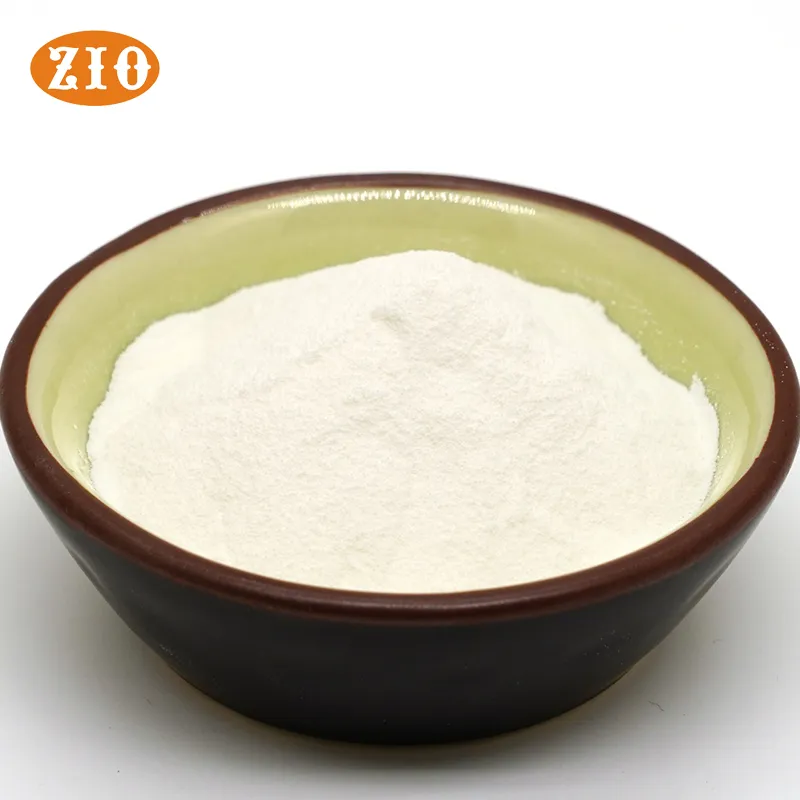
Physical Form: White or off-white amorphous powder with microcrystalline granules.
Solubility: Insoluble in water, ethanol, and organic solvents but swells upon water absorption.
Stability: Resistant to acid, alkali, and high temperatures; chemically inert.
Core Functions and Applications
1. Pharmaceutical Industry
Tablet Excipient:
Disintegrant: Promotes rapid tablet disintegration in vivo (e.g., direct compression processes).
Filler: Increases bulk volume, improves flowability, and compressibility (e.g., MCC 101, MCC 102 grades).
Binder: Enhances tablet binding when combined with other binders.
Modified-Release Formulations: Used in controlled-release tablets or capsules to regulate drug release rates.
2. Food Industry
Stabilizer: Prevents ice crystal formation in ice cream, yogurt, and other dairy products.
Thickener: Improves viscosity and texture in sauces, jams, and dressings.
Anti-caking Agent: Prevents clumping in powdered foods (e.g., salt, sugar).
3. Cosmetics
Emulsifier: Stabilizes formulations in lotions and creams.
Oil-Absorbent: Reduces excess oil in foundations and powders for a matte finish.
Technical Parameters and Advantages
Particle Size: Typically 50–300 microns (affects flowability and compressibility).
Moisture Content: ≤5% (high drying tolerance, suitable for humidity-sensitive products).
Advantages:
High purity (no toxic residues).
Excellent compatibility with drugs, no interactions.
Biodegradable and eco-friendly.
Safety and Certifications
Toxicity: GRAS (Generally Recognized as Safe by the FDA), with no established ADI (Acceptable Daily Intake).
Regulatory Compliance: Certified by USP-NF, EP (European Pharmacopoeia), and Chinese Pharmacopoeia (ChP).
Application Examples
Pharmaceuticals: Disintegrant in aspirin tablets and vitamin C effervescent tablets.
Food: Texture improver in plant-based meat products (mimicking meat fiber structure).
Cosmetics: Oil-absorbing ingredient in pressed powder (e.g., Avene Tolerance Control Foundation).
Summary: Microcrystalline cellulose is a versatile "universal excipient" in industrial applications, with technical core strengths in particle size control and grade selection (e.g., MCC 102 specialized for direct compression).
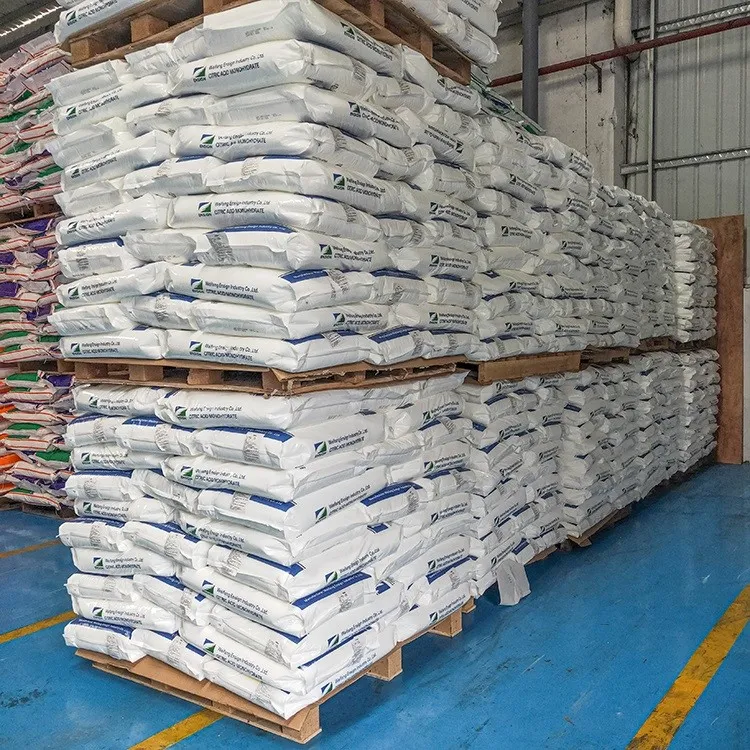
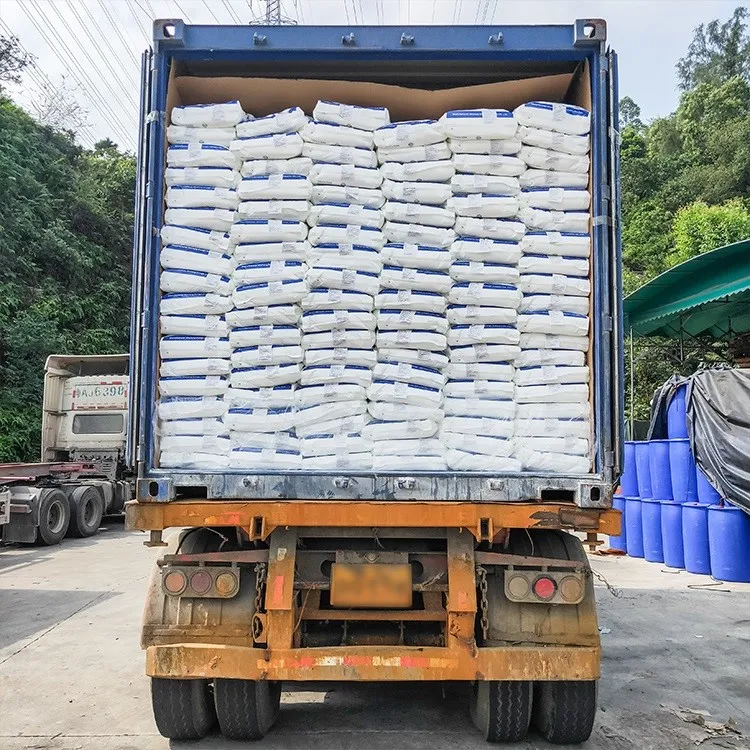
Packaging & Transportation




Hot Tags: microcrystalline cellulose mcc, China microcrystalline cellulose mcc manufacturers, suppliers