



Products Description
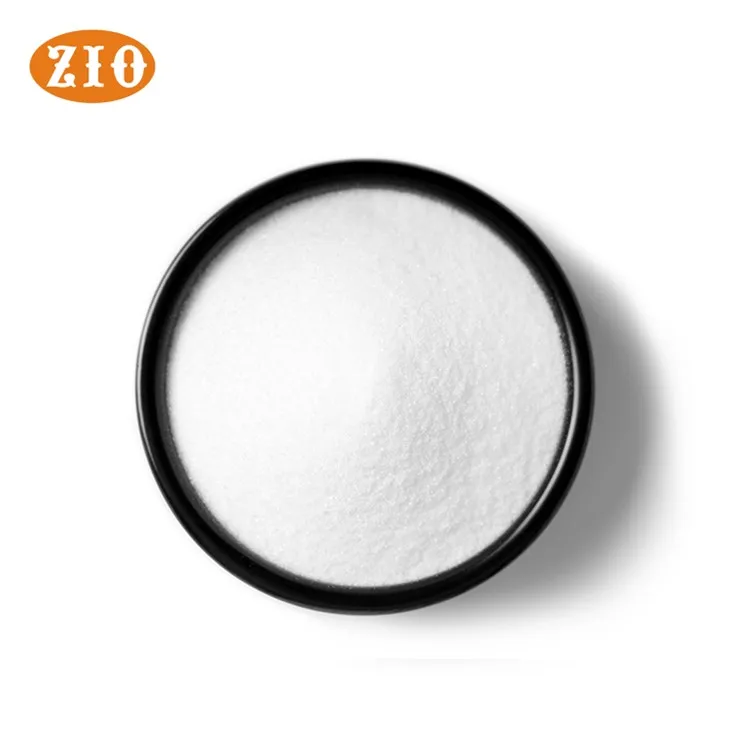
Vitamin B1 is also known as thiamine or anti-neuritis vitamin. It is synthesized by fungi, microorganisms and plants. Animals and humans can only obtain it from food. Vitamin B1 is mainly found in the outer skin and germ of seeds, such as rice bran and bran, where it is abundant. It is also extremely abundant in yeast. Thiamine is formed by the combination of pyrimidine ring and thiazole ring and participates in sugar metabolism in the body.
Thiamine is commonly found in the form of its hydrochloride salt [3], with the molecular formula C12H17ClN4OS·HCl and a molecular weight of 337.29. It is also known as hydrochloride thiamine. It is a white crystalline powder. It has a faint peculiar odor, a bitter taste, and is hygroscopic. Its melting point is 248℃. It is soluble in water, slightly soluble in ethanol, and insoluble in ether and benzene. Vitamin B1 has the function of maintaining normal sugar metabolism and nerve conduction. In nature, yeast contains the highest amount of vitamin B1. It can be synthesized from 2-methylfuran and ethylenediamine, or from β-ethoxypropionic acid ethyl ester and formic acid ethyl ester.
Products Application
Aquaculture
Because vitamin B1 plays a widespread role in aquatic animals, long-term deficiency of vitamin B1 not only affects their growth, but also causes a series of deficiency symptoms through metabolic disorders in the body. Studies have found that crustaceans such as shrimp and crabs cannot synthesize vitamin B1 or do so in very small quantities, which is insufficient to meet their own physiological needs. Therefore, they must be obtained through artificial feeding. Some scholars have conducted research on the content of vitamin B1 promoting sugar metabolism in Chinese prawns, and found that it is necessary to ensure that the vitamin B1 diet for prawns is 60mg/kg, so that prawns can fully utilize the sugar sources in the feed. [11]
Poultry
Vitamin B1 also plays an important role in the growth of poultry. Studies have found that adding more than 1.0mg/kg of thiamine to the diet significantly increases the body weight gain of 3-week-old and 4-7-week-old broiler chickens (P < 0.01), and the requirements for 0-3-week-old and 4-7-week-old broiler chickens are 4.0mg/kg and 1.6mg/kg respectively. Therefore, it can be seen that vitamin B1 is indispensable in the feed formula for poultry. [11]
Ruminants
Vitamin B1 has a special nutritional function for ruminants. Studies have found that during the lactation peak period, dairy cows are prone to not eating concentrated feed, resulting in a decrease in milk production. This can be alleviated by intramuscular injection of 0.25% vitamin B1 at 30mL, with mild cases starting to eat feed on the second day after injection, and severe cases requiring 2-3 doses of medication before returning to normal. Another study found that Wernicke encephalopathy is caused by long-term fasting, resulting in a deficiency of thiamine and subsequent onset of the disease. It is mainly treated with vitamin B1, and if diagnosed promptly, most cases can recover after treatment. Additionally, vitamin B1 is a specific drug in the treatment of ketosis in cattle, myoglobinuria in horses, and is widely used in organophosphorus poisoning, food poisoning, and drug poisoning. [11]
Vitamin B1 is usually added to feed in the form of multiple vitamins. When adding it, it is necessary to consider the species and growth stage of the animals to ensure the best production performance.
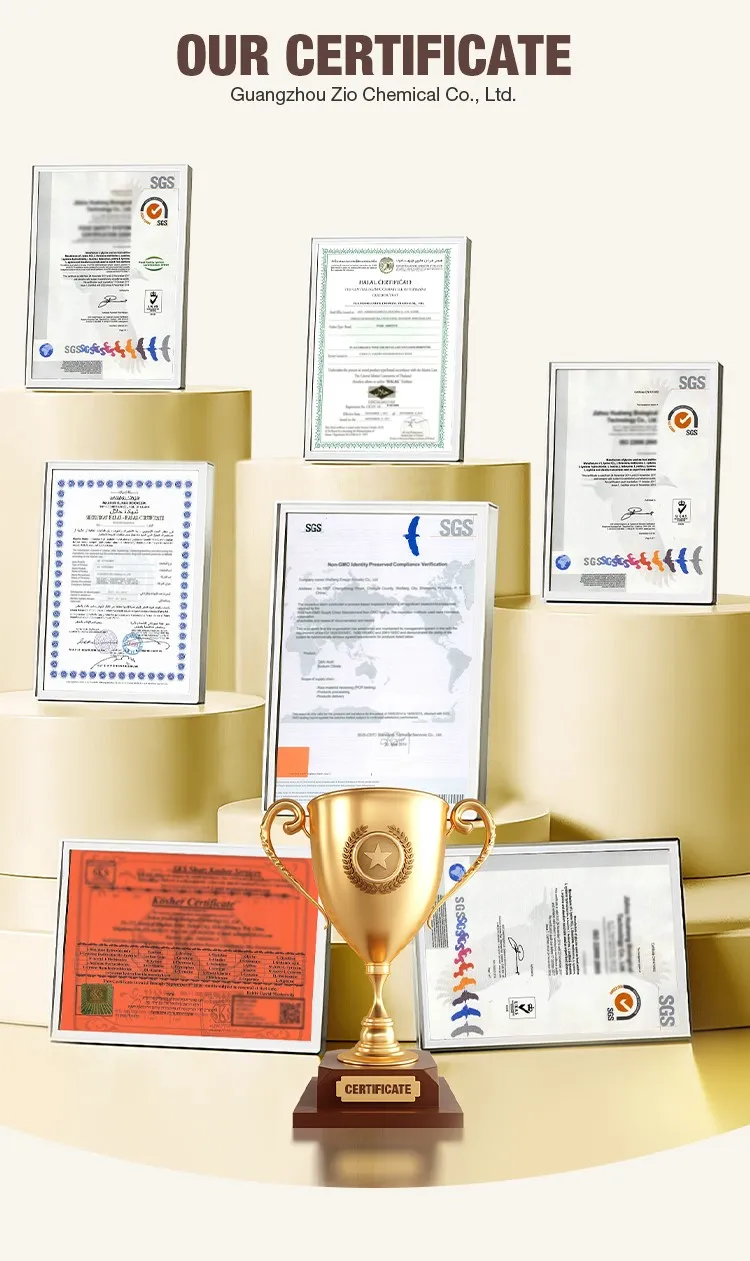
Products Qualification






Hot Tags: vitamin b1, China vitamin b1 manufacturers, suppliers