

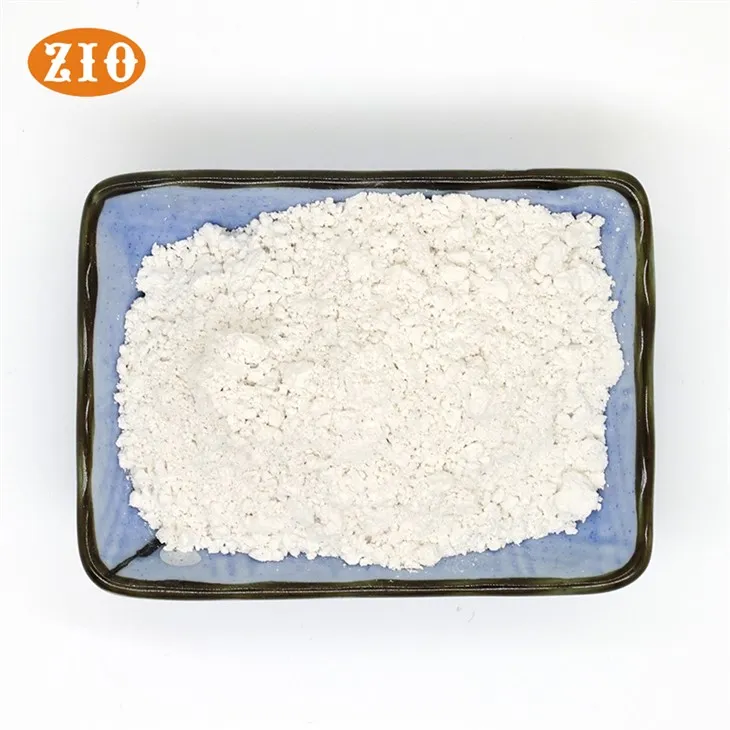
Products Description
| Product Name | Sodium sulfate |
| Common names | Anhydrous sodium sulfate, anhydrous mirabilite, disodium sulfate, disodium sulfate salt, Sodium sulfate anhydrous; Disodium sulfate |
| Chemical formula | Na2SO4 |
| Molecular weight | 142.042 g/mol |
| CAS number | 7757-82-6 |
| EINECS number | 231-820-9 |
| Melting point | 884 ℃ |
| Boiling point | 1430 ℃ |
| Water-soluble | Easily soluble |
| Density | 2.671 g/cm³ |
Products Application
Sodium sulfate is mainly used as a filler in synthetic detergents. In the paper industry, it is used as a cooking agent for manufacturing sulfate pulp. In the glass industry, it is used as a substitute for soda ash. In the chemical industry, it is used as a raw material for manufacturing sodium sulfide, sodium silicate and other chemical products. In the textile industry, it is used to prepare the coagulation bath for polyvinyl chloride filament spinning. In the pharmaceutical industry, it is used as a laxative. It is also used in non-ferrous metallurgy, leather and other fields. [3]
2. By accelerating the formation of hydrated product calcium sulfoaluminate, the hydration and hardening speed of cement is accelerated. The dosage of sodium sulfate is generally 0.5% to 2% of the cement mass, which can increase the early strength of concrete by 50% to 100%. The 28-day strength may increase or decrease, with an increase of approximately 10% depending on the type of cement, curing conditions, and dosage. It is also used as a filler in synthetic detergents, and is also employed in the paper industry, glass industry, chemical industry, textile industry, and pharmaceutical industry, etc. [3]
3. It is used as an analytical reagent, such as a desiccant, a digestion catalyst during nitrogen determination, and an interference suppressant in atomic absorption spectroscopy analysis. It is also used in the pharmaceutical industry. [3]
4. It is used in the chemical, paper-making and glass industries, as well as in the dyeing, printing and pharmaceutical industries. It is also applied in the manufacturing of synthetic fibers, leather, non-ferrous metals, porcelain glazes, etc. Moreover, it is used as an additive in detergents and soaps. [3]
5. In sulfate zinc plating, it can be used as a buffer to stabilize the pH value of the plating solution. [3]
6. Pharmacological effects: When taken in small doses orally, it exerts its effects through ion and osmotic pressure, which can slightly stimulate the digestive tract mucosa, causing a slight increase in gastrointestinal secretion and movement. Thus, it has a digestive aid effect. When taken in large doses, that is, when a large amount of sodium sulfate is dissolved in a large volume of water and taken orally, since the ions are not easily absorbed, it can retain a large amount of water in the intestines. This can mechanically stimulate the intestinal mucosa, soften fecal matter, and facilitate the acceleration of defecation. Clinically, it is mainly used for treating constipation in the large intestine, eliminating toxins in the intestines, and expelling parasites.
Environmental protection and resource utilization Announcement
In the chemical and metallurgical industries, due to the extensive use of sulfuric acid and sodium alkali, the wastewater often contains Na+ and SO42-, resulting in a large amount of sulfate wastewater. The coal chemical industry is the main source of sodium sulfate waste [12]. In the treatment of high-salt wastewater from coal chemical industries, in order to achieve "zero discharge", high-salt wastewater is often processed for salt recovery through evaporation ponds, thermal evaporation, multi-effect evaporation, etc. [13], thereby generating a large amount of by-product sodium sulfate [14]. In fact, sodium sulfate is produced as a by-product in many fields such as agriculture, industry, and environmental protection. This by-product crystalline salt not only has poor stability and low purity, but also poses a risk of secondary pollution [15].
Unpurified rich sodium sulfate wastewater discharged into the water environment will cause an increase in the salinity of the water body, seriously endangering the survival of aquatic organisms, and reducing the quality of the effluent, causing slight toxicity to the human body. When the quality concentration of sulfate in drinking water is greater than 600 mg/L, it will cause diarrhea; when it exceeds 1000 mg/L, it will severely inhibit the secretion of gastric juice and hinder digestion; when discharged into agricultural land, it will cause damage to soil structure and acidification of groundwater, and have a negative impact on crops, resulting in reduced crop yield and quality [16].
High-concentration sulfate will inhibit the metabolic activities of microorganisms. For example, anaerobic biogas bacteria are very sensitive to sulfate. Under the direct or indirect influence of sulfate, they are prone to exhibit poor treatment effects in anaerobic reactors and even the failure of the entire treatment system. In addition, high-concentration sulfate in anaerobic conditions is reduced by sulfate-reducing bacteria (SRB) to form sulfides, which will trigger a series of serious environmental complications, such as mineralization of water, corrosion of metals, scaling of pipes and equipment, and the release of toxic hydrogen sulfide gas, disrupting the natural sulfur cycle balance [17]. It is very important to effectively control the excessive discharge of high-concentration sulfate and adopt appropriate processes to recover and treat sodium sulfate wastewater, achieving the resource recovery of sodium sulfate wastewater, which will be beneficial to environmental protection and the green sustainable development of the industry [18].
Treatment methods for rich sodium sulfate wastewater
1. Evaporation crystallization method
Evaporation crystallization is a traditional industrial wastewater treatment technology. Usually, under pressurized, atmospheric pressure or vacuum conditions, the industrial wastewater in the evaporator is heated and concentrated by external heat sources, causing the solution to become supersaturated and crystallize, thereby achieving the separation of solute and solvent. Through the evaporation crystallization process, sodium sulfate wastewater can be converted into monohydrate sodium sulfate (anhydrous sodium sulfate), which is used as a basic chemical raw material and widely applied in dyes, sodium sulfide, synthetic fibers, etc. Currently, the technology for producing monohydrate sodium sulfate by evaporation crystallization is very mature, especially the application of multi-effect distillation (MED), mechanical vapor recompression (MVR), and membrane distillation (MD) evaporation crystallization technologies, which reduces steam consumption during the evaporation process [19].
2. Solution double decomposition method
The solution double decomposition method, also known as the precipitation method, is based on the principle that two different compounds in the solution exchange components (ion exchange recombination) to form two other compounds (for example: BaCl2 + Na2SO4 = BaSO4↓ + 2NaCl). Among them, the less soluble compound (BaSO4 precipitation) can promote the further occurrence of the reaction in the solution. Using the solution double decomposition method can convert sodium sulfate wastewater into other more valuable chemical products, such as barium sulfate, sodium sulfide, potassium sulfate, sodium hydroxide, etc.
3. Electro-membrane method
The electro-membrane method is an electrically driven membrane separation method. Through the driving effect of a direct current electric field, ions selectively pass through the ion exchange membrane (IEMS), achieving the effect of ion concentration and recombination. This method is characterized by its flexibility, environmental friendliness and high current efficiency. It is widely applied in water treatment, chemical desalination, and element enrichment. With the rapid development of the electro-membrane method and the continuous advancement of zero discharge, the electro-dialysis complex decomposition technology (EDM) and the bipolar membrane electro-dialysis technology (EDBM) have demonstrated unique advantages in the treatment and resource utilization of highly sulfated sodium wastewater [20].
4. Biological Method
The biological treatment of highly sulfated sodium wastewater utilizes the metabolic action of sulfate-reducing bacteria (SRB) to convert sulfate into sulfide. The sulfide can be further converted into metal sulfide precipitates for recovery, or it can be transformed into elemental sulfur through the micro-oxygen metabolism of sulfur bacteria [21]. This treatment technology can be used for both inorganic and organic industrial wastewater containing sulfate.
Hot Tags: sodium sulfate, China sodium sulfate manufacturers, suppliers