



Products Description
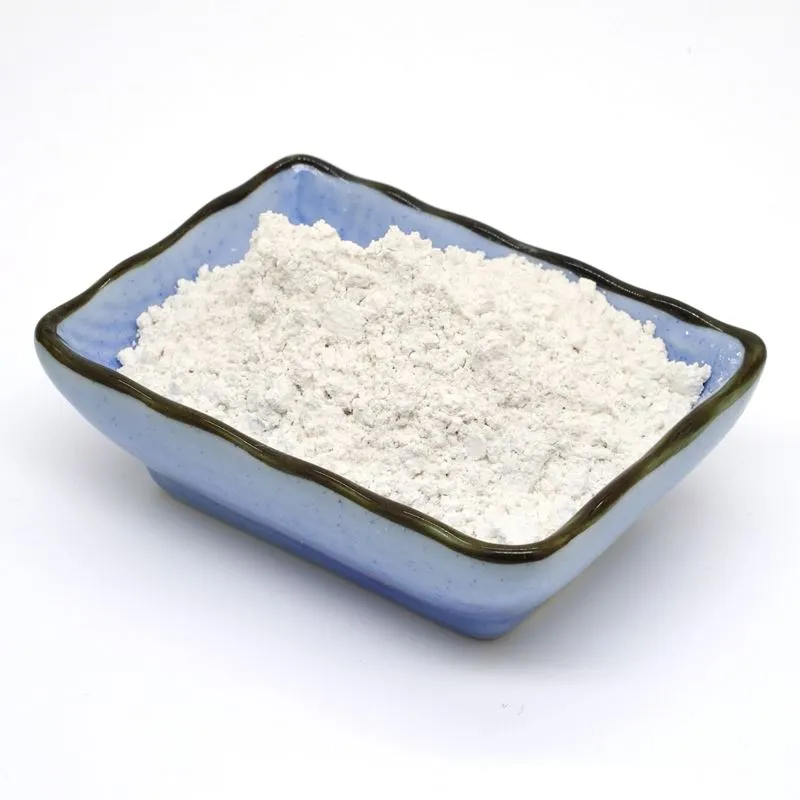
The physical properties are as follows: at room temperature, it is a white, odorless powder or granule.
Density: 2.532 g/cm³
Melting point: 851℃
Solubility: Easily soluble in water, also soluble in glycerol. At 20℃, 20 grams of sodium carbonate can be dissolved in every 100 grams of water. The solubility is the highest at 35.4℃, with 49.7 grams of sodium carbonate being soluble in 100 grams of water. It is slightly soluble in anhydrous ethanol and hardly soluble in propanol.
pH of aqueous solution: The 1% aqueous solution has a pH of 11.5.
Aqueous solution: It can conduct electricity in aqueous solution or in a molten state, and the aqueous solution has a bitter taste and a slippery sensation.
Hygroscopicity: It has hygroscopicity. When exposed to air, it gradually absorbs 1 mol/L water (approximately = 15%).
Hydrates: Na2CO3·H2O, Na2CO3·7H2O, and Na2CO3·10H2O
The aqueous solution of sodium carbonate is alkaline and has certain corrosiveness. It can undergo double decomposition reactions with acids, and also with some calcium salts and barium salts. The solution is alkaline and can cause phenolphthalein to turn red.
|
Items |
Specifications |
Results |
|
Appearance |
White powder without impurities |
Conforms |
|
Total alkali content (as Na2Co3) (as dry basis) w/% |
≥99.2 |
99.4 |
|
Total alkali content (as Na2Co3) (as wet basis) w/% |
≥97.9 |
98.5 |
|
Chloride (as NaCl) (as dry basis) w/% |
≤0.7 |
0.51 |
|
Fe (as dry basis) w/% |
≤0.0035 |
0.003 |
|
Heavy Metal (as pb) w/% |
≤0.0010 |
<0.001 |
|
Arsenic(As) w/% |
≤0.0002 |
<0.0002 |
|
Water-insoluble substance w/% |
≤0.03 |
0.03 |
|
Conclusion |
The product conforms to the standard prescribed, ready for sale. |
|
Products Application
Sodium carbonate is one of the important chemical raw materials, widely used in the fields of light industry and daily chemicals, building materials, chemical industry, food industry, metallurgy, textiles, petroleum, national defense, medicine, etc. It is used as the raw material for manufacturing other chemicals, cleaning agents, detergents, and also for photography and analysis. The second largest application area is metallurgy, textiles, petroleum, national defense, medicine and other industries. The glass industry is the largest consumer of sodium carbonate, with 0.2 tons of sodium carbonate consumed per ton of glass. It is mainly used for float glass, imaging tube glass shells, optical glass, etc.
2. It is used in chemical, metallurgical and other industries. Using heavy sodium carbonate can reduce the flying of alkali dust, reduce raw material consumption, improve working conditions, and also improve product quality. At the same time, it can reduce the erosion of alkali powder on refractory materials and extend the service life of kilns.
3. It is used as a buffer agent, neutralizing agent and dough improver, and can be used in pastries and baked goods, and in accordance with production needs, it can be used in moderation.
4. It is used as a detergent in wool rinsing, bath salts and medicine, and in tanning leather.
5. It is used in the food industry as a neutralizing agent, leavening agent, such as for the production of amino acids, soy sauce and baked goods such as steamed buns and bread. It can also be mixed into alkaline water and added to baked goods to increase elasticity and extensibility. Sodium carbonate can also be used to produce monosodium glutamate.
6. Special reagent for color TV
7. It is used in the pharmaceutical industry as an acid-neutralizing drug, osmotic laxative.
8. It is used in chemical and electrochemical degreasing, chemical copper plating, aluminum etching, aluminum and alloy electrolytic polishing, aluminum chemical oxidation, phosphating sealing, inter-process rust prevention, electrolytic removal of chrome plating and chrome oxide film, etc., and also used in pre-copper plating, steel plating, steel alloy electrolyte.
9. It is used in the metallurgical industry as an smelting flux, ore flotation agent, and for desulfurization in steelmaking and antimony smelting.
10. It is used in the dyeing industry as a soft water agent.
11. It is used in the leather industry for degreasing raw leather, neutralizing chrome-tanned leather and increasing the alkalinity of chrome-tanned liquid.
12. It is used as a reference for standardizing acid solutions in quantitative analysis. It is used to measure aluminum, sulfur, copper, lead and zinc. It is used to test urine and whole blood glucose. It is used as a solubilizer for silicon dioxide in cement. Metal metallographic analysis, etc.
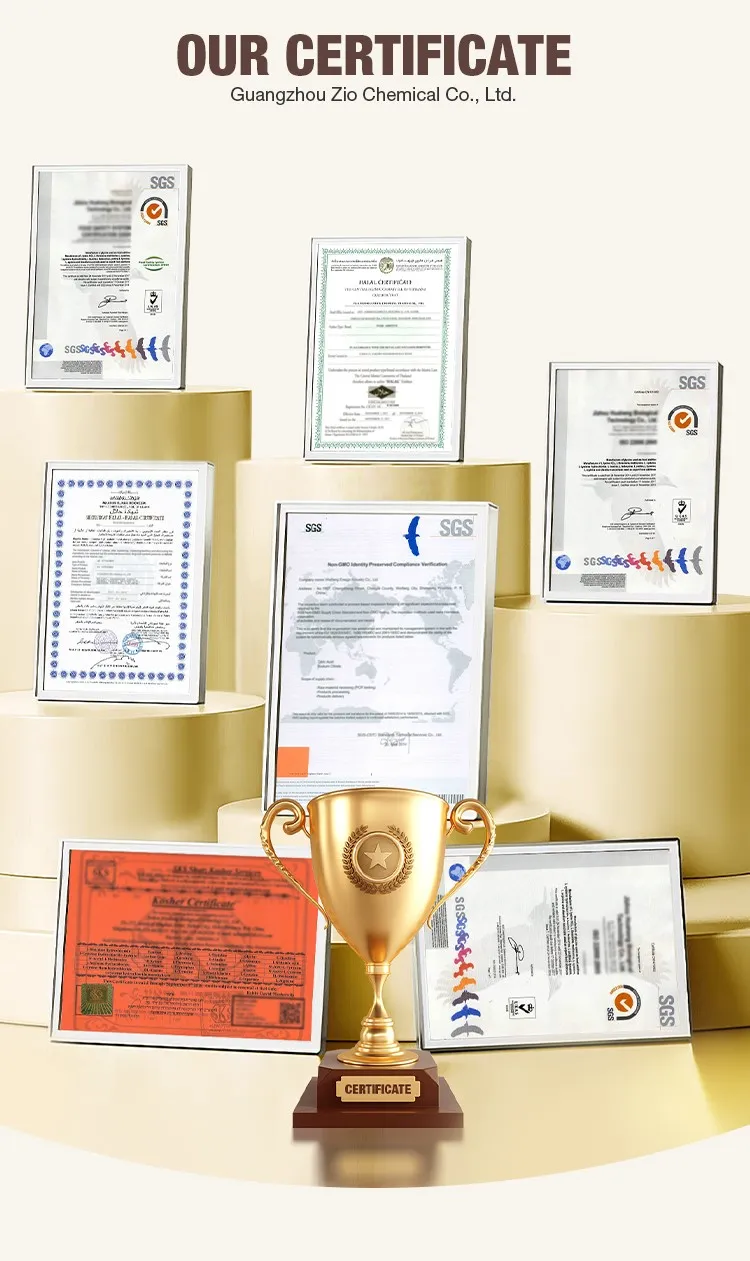
Products Qualification

Hot Tags: sodium carbonate, China sodium carbonate manufacturers, suppliers