



Products Description
Methionine is an organic compound and one of the essential amino acids that constitute the human body. Its molecular formula is C5H11O2NS and it has optical activity. It participates in protein synthesis.
Since it cannot be synthesized by the body itself, it must be obtained from the outside. If methionine is deficient, it will lead to the obstruction of protein synthesis in the body, causing damage to the organism. The excessive oxidation of membrane lipids caused by oxygen free radicals is the cause of various damages to the organism. Lipid peroxides will damage the membranes of primary and secondary lysosomes, causing the release of acidic phosphatases contained in the lysosomes to be released, thereby causing damage to important organelles such as cells and mitochondrial membranes. Methionine combats these damages through multiple pathways.
Chemical formula: C5H11NO2S
Molecular weight: 149.211
CAS number: 59-51-8
EINECS number: 200-432-1
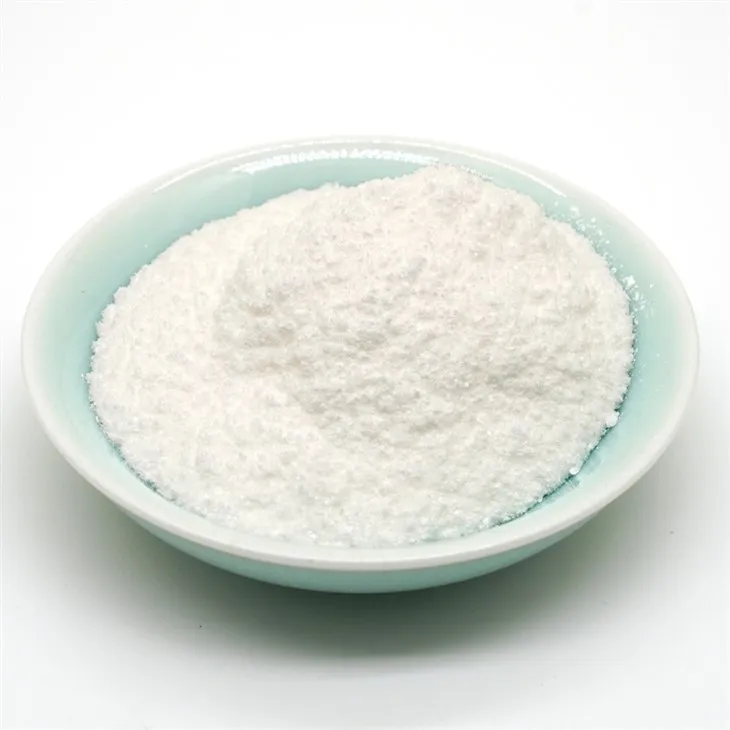
Appearance: White flaky crystals or powder
Purity: 99.93%
Package: 25 kilograms per barrel
Content: ≥ 99.93%;
pH value: 5.95 (1% aqueous solution);
Drying loss: ≤ 0.05%;
Heavy metals (Pb): ≤ 0.001%;
Transparency: ≥ 99.6%;
Ash content: ≤ 0.04%;
Chloride (Cl): ≤ 0.02%;
Sulfate (SO4): ≤ 0.02%;
Arsenic: ≤ 0.0001%;
Iron: ≤ 0.001%;
[NH4+]: ≤ 0.02%;
Other amino acids: No detection
Products Application
It is mainly used as a nutritional supplement. Its physiological effect is the same as that of L-type methionine, but it is cheaper (L-type is produced from DL-type). Therefore, DL-methionine is generally used. It is a limiting amino acid in plant foods such as oats, rye, rice, corn, wheat, peanut powder, soybeans, potatoes, spinach, etc. It is added to these foods to improve the balance of amino acids. The requirement varies with the intake of cysteine. The requirement for adult men is 1.1g/d.
The taste of sea urchin is related to methionine. The sweet taste of sea urchin is related to glycine and alanine, the bitter taste is related to valine, and the umami taste is related to glutamic acid, etc. Therefore, these amino acids can be mixed to make flavoring agents.
It is also used in amino acid infusions and comprehensive amino acid preparations.
According to the regulations of GB2760-86 of China, it can be used as a flavoring agent.
Products Qualification



Hot Tags: dl-methionine feed grade and food grade, China dl-methionine feed grade and food grade manufacturers, suppliers