

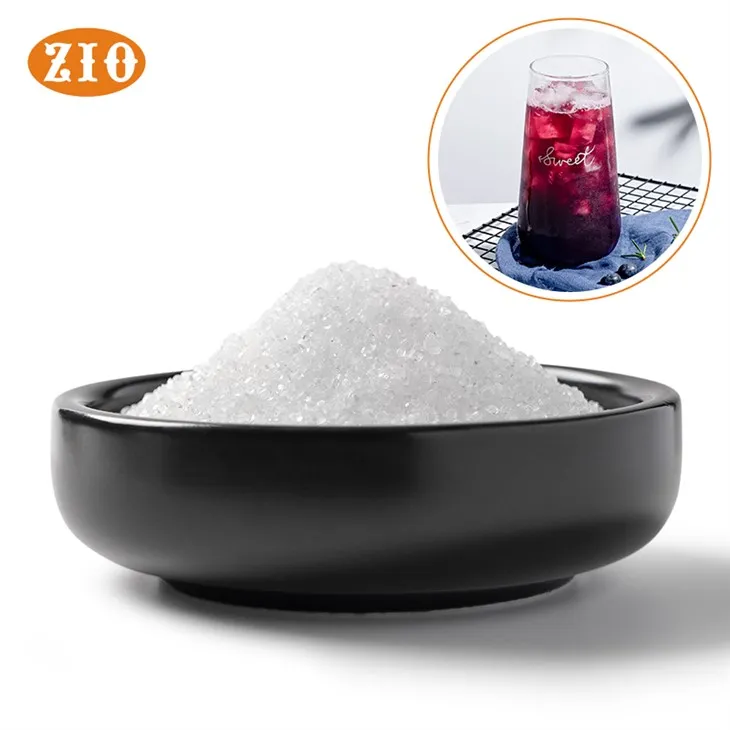


Products Description
Product name: Monohydrate of Citric acid
Chemical formula: C6H10O8
Molecular weight: 210.139
CAS number: 5949-29-1
Melting point: 135 to 152 ℃
Boiling point: 56 ℃
Density: 0.791 g/cm³
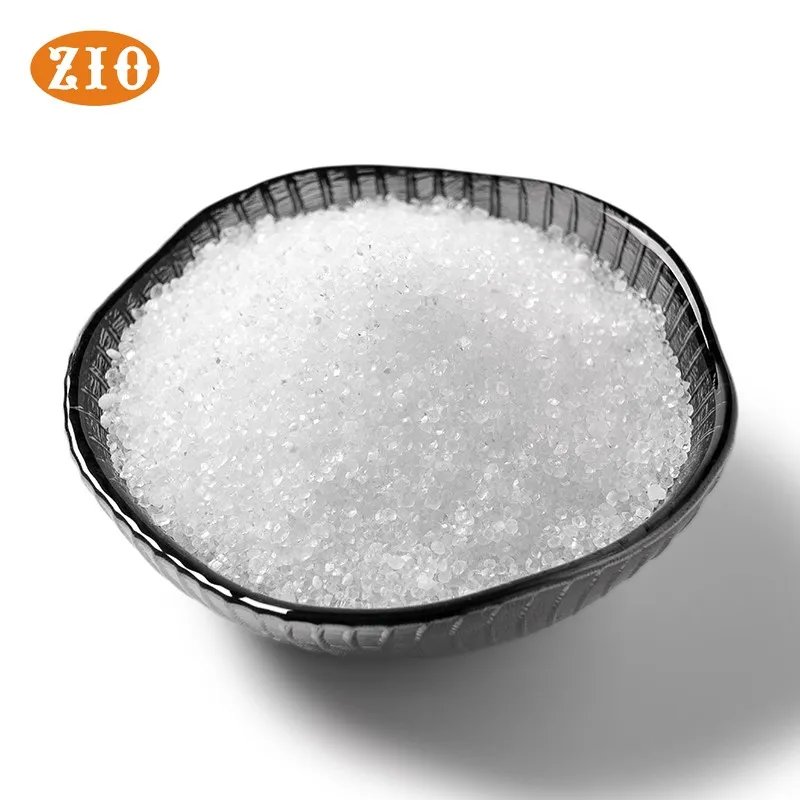
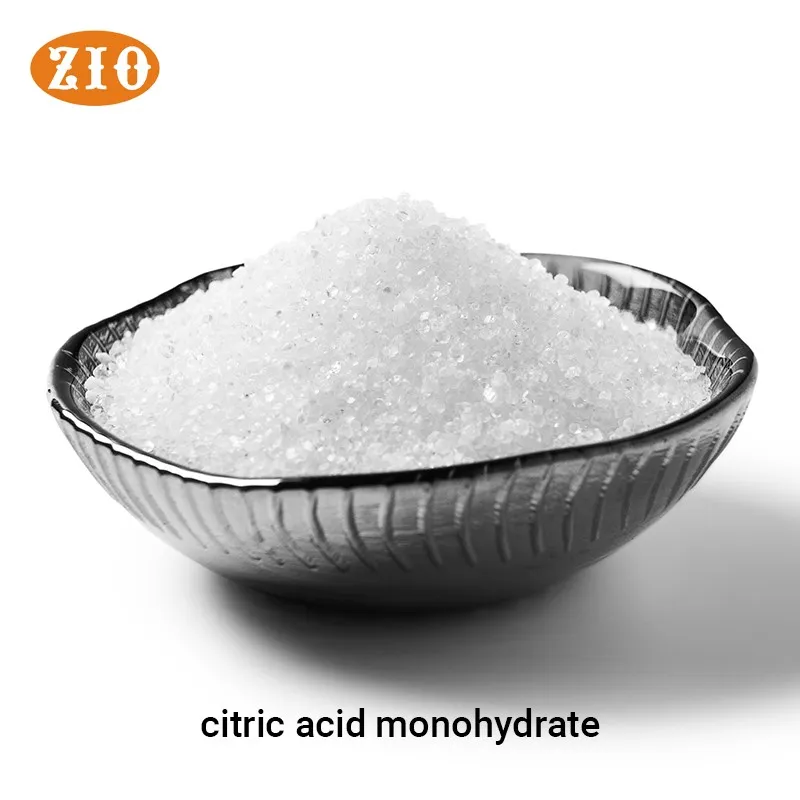
Colorless crystals or white crystalline powder.
Monohydrate citric acid (English name: Monohydrate citric acid) is a type of citric acid with one crystal water molecule in its molecule. It is one of the two main forms of commercial citric acid. Its molecular formula is C6H8O7·H2O, with a molecular weight of approximately 210.14. It is usually a white transparent or semi-transparent crystal, or granular or particulate powder. It has no odor, has a strong sour taste, and a slightly astringent aftertaste. The crystalline water content is 8.58%, with a melting point of 70-75℃ and a relative density of 1.542 at 20℃. When exposed to dry air for a long time, it will weather due to the escape of crystalline water. The crystal is a rhombohedral prism crystal, and the critical temperature for transforming into anhydrous citric acid is 36.6 ± 0.15℃. It is highly soluble in water and can be dissolved in ethanol, slightly soluble in ether, and insoluble in benzene, toluene, dichlorocarbon, carbon tetrachloride, and fatty acids. It has a strong acidity and can react with many substances such as acids, bases, glycerol, salts, and metal ions upon heating, decomposing into various products. [3]
The production process of monohydrate citric acid in industry is as follows: First, the citric acid fermentation liquid is separated into solid and liquid to obtain citric acid clear liquid. Calcium salt method, acid hydrolysis method, and decolorization method are used to purify the clear liquid. Through heating, concentration, and crystallization, anhydrous citric acid is obtained. Then, the concentrated liquid separated from the anhydrous citric acid is repeatedly subjected to cooling crystallization, centrifugal separation, and drying to obtain monohydrate citric acid crystals. Monohydrate citric acid has wide applications: It is used as an acid flavoring agent, seasoning agent, and preservative and preservation agent in the food and beverage industry. In the chemical field, it is used as an antioxidant, plasticizer, and key component of detergents. In the cosmetics industry, it is often used to adjust the acid-base balance of products and stabilize the formula. [4] In the medical field, it is often used as a pharmaceutical excipient.
|
Items |
Specifications |
Analysis results |
|
Appearance |
Colorless or white crystals or powder, odorless and tastes sour. |
Meet the requirement. |
|
Content (%) |
99.5-100.5 |
99.8 |
|
Light Transmittance (%) |
≧95.0 |
98.0 |
|
Moisture (%) |
7.5-9.0 |
8.6 |
|
Readily Carbonisablle Substance |
≦1.0 |
0.5 |
|
Sulphated Ash (%) |
≦0.05 |
﹤0.05 |
|
Chloride (%) |
≦0.005 |
﹤0.005 |
|
Sulphate (%) |
≦0.015 |
﹤0.015 |
|
Oxalate (%) |
≦0.01 |
﹤0.01 |
|
Calcium (%) |
≦0.02 |
﹤0.02 |
|
Iron (mg/kg) |
≦5 |
﹤5 |
|
Arsenic (mg/kg) |
≦1 |
﹤1 |
|
Lead (mg/kg) |
≦0.5 |
﹤0.5 |
|
Water Insoluble Substances |
Filtration time not more than 1 min; |
Meet the requirement. |
Products Application
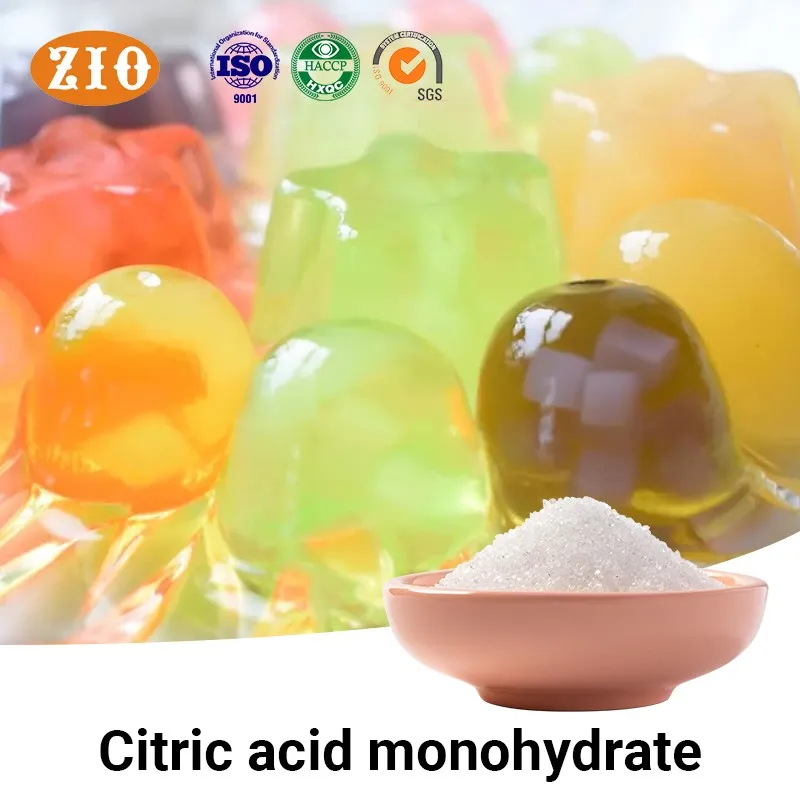
In terms of food additives, they are mainly used in refreshing beverages such as carbonated drinks, fruit juices, and lactic acid beverages, as well as in pickled products. The demand for these products varies with the changes in seasonal climate. Citric acid accounts for approximately two-thirds of the total consumption of flavoring agents. Adding citric acid to canned fruits can maintain or improve the flavor of the fruits, increase the acidity of certain fruits when canned (lowering the pH value), weaken the heat resistance of microorganisms and inhibit their growth, prevent bacterial bulging and spoilage of canned fruits with low acidity. In candies, adding citric acid as a flavoring agent is easy to coordinate with the fruit flavor. In gel foods such as sauces and jellies, using citric acid can effectively reduce the negative charge of pectin, allowing hydrogen bonds between pectin molecules to form a gel. When processing canned vegetable products, some vegetables have an alkaline reaction. Using citric acid as a pH adjuster not only has a flavoring effect but also can maintain the quality of the product. The chelating effect and pH regulation characteristics of citric acid enable it to enhance the antioxidant performance in frozen food processing, inhibit enzyme activity, and extend the shelf life of the food.
Products Storage
Store in a dark place, sealed, with good ventilation, at a lower room temperature, and in a dry and cool area.
Products Package
25-kilogram bag.
Products Details
Products Qualification









Hot Tags: citric acid monohydrate food grade, China citric acid monohydrate food grade manufacturers, suppliers