



Products Description
Niacin plays a crucial role in maintaining tissue integrity and regulating the metabolism of substances within the body. Niacin mainly participates in the metabolic processes of carbohydrates, lipids, and proteins through the synthesis of nicotinamide adenine dinucleotide phosphate (NADP+, coenzyme II), especially in the reactions of energy metabolism within the body. It can also act as a substrate for enzymes involved in non-redox signaling pathways, thereby regulating biological functions such as gene expression, cell cycle progression, DNA repair, and cell death. [6] Niacin is mainly used as a feed additive, which can improve the utilization rate of feed protein, increase the milk production of dairy cows, and enhance the meat production and quality of poultry such as fish, chickens, ducks, cattle, and sheep. Niacin is also a widely used pharmaceutical intermediate, and by using it as a raw material, various medicines can be synthesized, such as nikethamide and nicotinyl isostearate. In addition, niacin also plays an irreplaceable role in fields such as luminescent materials, dyes, and electroplating industries.
Density: 1.473 g/cm³
Melting point: 234 - 238 ºC
Boiling point: 292.5 ºC
Flash point: 130.7 ºC
Refractive index: 1.571
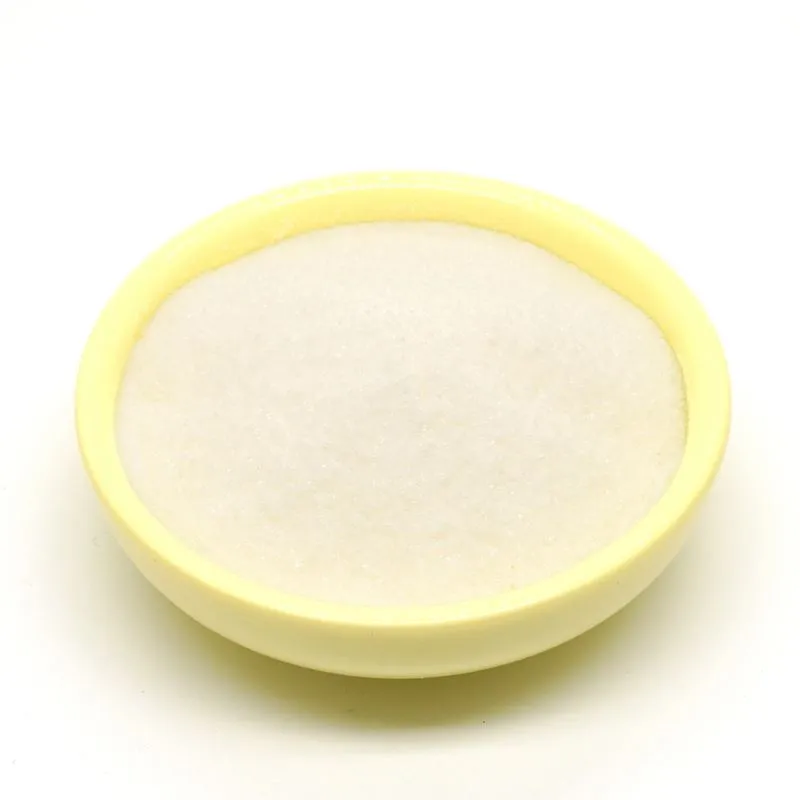
Appearance: White crystalline powder
Solubility: Easily soluble in boiling water, boiling ethanol, alkaline hydroxide and carbonic acid solutions, and glycerol, insoluble in ether
Water solution acidity: Slightly acidic (pH of 2.7 for 20 ºC saturated solution)
Isoelectric point: 4.23 - 4.25
Hygroscopicity: None
Maximum absorption wavelength: 263 nm
LD50 5000-7000 mg/kg
Products Application
There are three commercial grades of nicotinic acid: food grade, feed grade and pharmaceutical grade. Nicotinic acid mainly serves as a nutritional additive for feed (a water-soluble vitamin), which can enhance the utilization rate of protein in feed, increase the milk production of dairy cows, and increase the meat production and quality of poultry such as fish, chickens, ducks, cattle, and sheep; it is also used as an intermediate in food, medicine, and dyes. Moreover, nicotinic acid plays an irreplaceable role in fields such as luminescent materials, dyes, and electroplating.
Application of nicotinic acid in the field of pharmaceutical synthesis
As a medicine, nicotinic acid can prevent skin diseases and similar vitamin deficiencies, and has the effects of dilating small blood vessels, lowering blood lipids, reducing cholesterol synthesis, and dissolving fibrin. It is used to treat peripheral nerve spasms, arteriosclerosis, and other diseases. Nicotinic acid can also be used as a pharmaceutical intermediate, for the synthesis of various amide and ester drugs with important pharmaceutical uses, such as nicotinamide for treating gastrointestinal diseases, nicotinamide hydroxymethylamine as a good drug for liver protection, gallbladder health, and antibacterial, and nicotinobenzamide as a highly effective molluscicide, which can be used to prevent and treat schistosomiasis; nicotinic acid and amindotriol can be synthesized to treat diseases such as circulatory system disorders, vitamin B deficiency, tongue inflammation, and hypertension; nicotinic acid and diethanolamine synthesized together are a central nervous system stimulant, used to treat central nervous system respiratory and circulatory failure; nicotinic acid and alcohol react to form nicotinic inositol ester and mevinyl ketone, which are drugs for treating hyperlipidemia, coronary heart disease, migraine, and peripheral vascular disorders, etc.
Application as an additive
Nicotinic acid is an indispensable food and feed additive for human and animal growth and development. Therefore, it is widely used as an additive in pastries, dairy products, corn flour, etc.; it can also be combined with vitamins to replace part of nitrite as a flavor remover or preservative for meat products. In addition, it can be used as a preservative for vegetables.
Food additive
Nicotinic acid belongs to the vitamin B group and participates in lipid metabolism, oxidation processes, and anaerobic decomposition processes in the human body. In food, nicotinic acid is mainly used as an antioxidant and nutritional fortifier, helping to delay the oxidation process of food, maintaining the freshness and taste of food, and improving the nutritional value of food. Nicotinic acid can be converted from tryptophan in the body, and human beings generally do not have a deficiency of nicotinic acid, but when the main food does not contain nicotinic acid or there are substances in the main food that decompose nicotinic acid, it is prone to cause rough skin diseases due to the lack of nicotinic acid. Adding a certain amount of nicotinic acid to food can effectively prevent the occurrence of such diseases.
The daily requirement of nicotinic acid for the human body is: 10-20 mg for adults, 4-11 mg for infants. The addition amount in food is: 40 mg/kg for modified milk powder, 35-44 mg/kg for flour, 55-75 mg/kg for noodles, 22 mg/kg for bread, 33-53 mg/kg for corn flour.
Feed additive
Nicotinic acid is a necessary nutrient in the diet of pigs, chickens, etc. As a feed additive, nicotinic acid has physiological functions such as anti-inflammatory, antioxidant, regulating lipid metabolism and sugar decomposition, regulating cellular energy status, promoting muscle fiber type transformation. Nicotinic acid is an indispensable substance in animal growth and development, and the nicotinic acid in cereal feed mainly exists in a bound form, which is difficult for animals to absorb, so it is necessary to add synthetic nicotinic acid to the feed artificially.
Adding an appropriate amount of nicotinic acid to the feed can make piglets (chickens) increase weight rapidly. Feeding nicotinic acid-containing feed to laying hens can increase their egg production rate and make the eggs contain certain nicotinic acid, improving the nutritional value. The addition amount in feed is: 30 mg/kg for pig and chicken feed, 110-250 mg/kg for cattle, sheep, and fish feed.
Active dyes Because nicotinic acid can make the dyeing of fibers durable, have a wide range of applications and good uniformity, it performs outstandingly in the dyeing industry and becomes an intermediate for various reactive dyes. In 1984, the Japanese Chemical Company launched a weakly alkaline nicotinic acid triazine reactive dye.
Consumer Chemical Products
In the consumer chemical industry, nicotinic acid can be mixed with other consumer chemical raw materials to form products with excellent performance, such as hair dyeing aids, detergents, etc. Nicotinic acid amide derivatives, as one of the forms of nicotinic acid, have been proven to have antioxidant, whitening, anti-inflammatory, and antibacterial effects, and are therefore widely used in cosmetics.
Other applications
Nicotinic acid is an important chemical auxiliary agent and corrosion inhibitor. In photosensitive materials, it can be used as an antioxidant and anti-fogging agent. In electroplating, nicotinic acid is also an excellent brightening additive, and adding 1-10 grams of nicotinic acid to each liter of electroplating solution can have a significant effect.
Nicotinic acid acts as an antioxidant and anti-fogging agent in photosensitive materials. Adding 0.1% of nicotinic acid aqueous solution to the photosensitive emulsion can increase the stability of the photosensitive material to light; adding 5-20 mL of 0.1% nicotinic acid aqueous solution to each milliliter of photosensitive emulsion can reduce the fogging of the photosensitive material.
Nicotinic acid can be used as a catalyst, showing high catalytic activity, with the advantages of being green and efficient, and also reducing the use of inorganic acid catalysts and solid acid catalysts. In the food industry, it can be used as a flavor remover or color stabilizer, and as a preservative in vegetable preservation.
Products Qualification







Hot Tags: vitamin b3 powder, China vitamin b3 powder manufacturers, suppliers