



Products Description
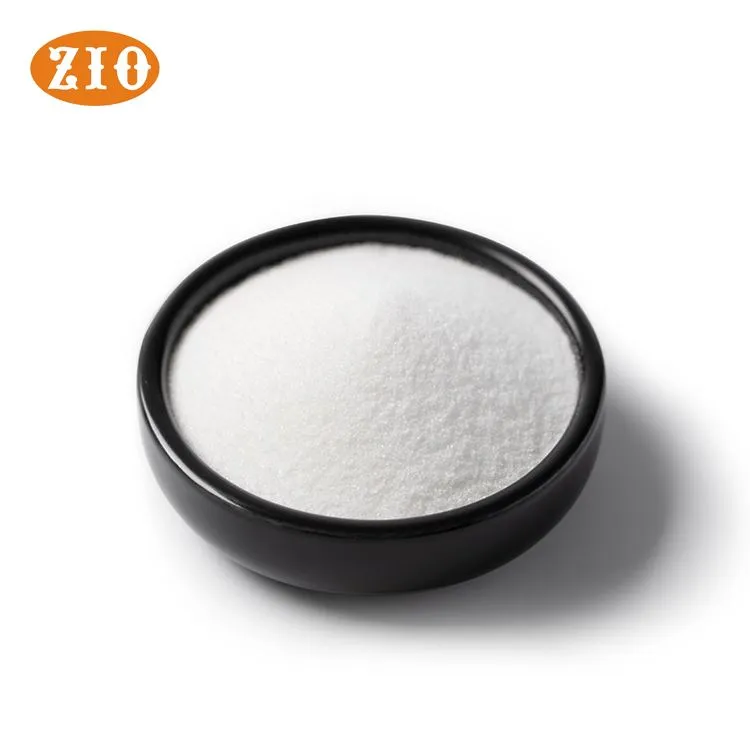
Vitamin B6, also known as pyridoxine or pyridoxil, has the chemical name "vitamin B6". Its foreign name is "Pyridoxine". It is an important water-soluble B vitamin. It exists in the body in the forms of pyridoxol (PN), pyridoxal (PL), pyridoxamine (PM), pyridoxal phosphate (PLP), pyridoxal phosphate (PNP), and pyridoxamine phosphate (PMP). It participates in key biochemical processes such as amino acid metabolism and neurotransmitter synthesis. Vitamin B6 is widely found in meats (fish and poultry), whole grains, vegetables, and nuts. Vitamin B6 is a necessary micronutrient for maintaining human health growth and normal physiological functions. It has physiological functions such as anti-inflammatory, antioxidant, neuroregulation, and anti-tumor. It is crucial for maintaining the health of the nervous system, skin health, and immune function. The recommended optimal daily intake is 1.5 to 2 milligrams, but it should not exceed 200 milligrams. Vitamin B6 is not a prescription drug. Oral preparations and injections are covered by medical insurance and are suitable for preventing and treating vitamin B6 deficiency and alleviating symptoms such as morning sickness during pregnancy.
At room temperature, vitamin B6 exists in the form of crystals or crystalline powder, presenting a pale white or white color. It is sensitive to both light and heat. It is soluble in water and slightly soluble in ethanol. It is easily destroyed in alkaline aqueous solutions or neutral aqueous solutions, but has relatively better stability in acidic aqueous solutions. In terms of stability, pyridoxine hydrochloride is superior to pyridoxal and pyridoxamine. Therefore, the common vitamin B6 supplements available on the market usually use pyridoxine hydrochloride as the raw material.
Products Application
Biological functions
Metabolic functions
Vitamin B6 is crucial for maintaining normal growth, development and cellular metabolism of the organism. Pyridoxal phosphate (PLP) is the bioactive form of vitamin B6, and it participates in over 140 biochemical reactions in the cell, including key metabolic processes such as amino acid synthesis, interconversion, and degradation, as well as the metabolism of carbohydrates, lipids, nucleic acids, and the synthesis of heme. The deficiency of vitamin B6 affects the normal metabolism of proteins and amino acids, reduces the absorption and utilization efficiency of proteins in the organism, and ultimately leads to symptoms such as anorexia, slow growth, neurological disorders, and anemia in animals.
Neuroregulatory functions
Vitamin B6 is an auxiliary factor in the synthesis process of neurotransmitters such as adrenaline, noradrenaline, dopamine, 5-hydroxytryptamine, and gamma-aminobutyric acid, and is very important for maintaining the normal development and function of the nervous system of the organism. 5-hydroxytryptamine can regulate cognition, mood, and sleep, and is commonly found in sedatives, antidepressants, and anti-anxiety drugs. Gamma-aminobutyric acid is an inhibitory neurotransmitter with a calming effect. Vitamin B6 regulates the synthesis of neurotransmitters and affects the psychological health and cognitive ability of the organism, having neuroprotective effects. The deficiency of vitamin B6 is associated with the occurrence of various neurological diseases. ATP-gated purinergic P2X7 receptor (ATP-gated purinergic P2X7 receptor, P2X7) is an inflammation switch in the brain, mediating the rapid release of excitatory neurotransmitters in the central and peripheral nervous systems, promoting the division of astrocytes and microglia, increasing the release of pro-inflammatory cytokines and other inflammatory mediators, and triggering epileptic seizures. It is considered a new drug target for treating a series of neurological diseases including epilepsy. Studies have found that vitamin B6 is an antagonist of P2X7 receptors and has the effects of inhibiting epileptic seizures and neuroprotection.
Antioxidant functions
The pyridine ring of vitamin B6 contains hydroxyl and amino groups, which can directly react with reactive oxygen species (reactive oxygen species, ROS) free radicals. It is considered an effective antioxidant. Additionally, vitamin B6 participates in the production of various bioactive substances. Taurine and hydrogen sulfide both originate from sulfur-containing amino acids, and their synthesis both require the participation of vitamin B6-dependent enzymes. [2]
Immune regulation and anti-inflammatory functions
Vitamin B6 is an important compound for maintaining the functions of the innate and adaptive immune systems, especially necessary for anti-inflammatory immune responses. Studies have found that a deficiency of vitamin B6 can affect cellular and humoral immune responses, leading to a decline in the body's immune capacity, such as atrophy of lymph nodes, lymphoid organs and spleen, reduction in the number of lymphocytes, decreased production of antibodies [immunoglobulin G (IgG), immunoglobulin M (IgM)] in the blood, and changes in the production of cytokines. 2
Antitumor Function
Epidemiological studies have reported a negative correlation between vitamin B6 intake and the risk of colon cancer. The research found that the anti-tumor effect of vitamin B6 is mainly related to the inhibition of cell proliferation, oxidative stress, inflammatory response, nitric oxide (NO) synthesis, and angiogenesis. Komatsu et al. discovered that supplementing vitamin B6 in the diet of mice with colorectal cancer significantly reduced the incidence of tumors and the number of colon tumors, inhibited cell proliferation, significantly decreased the protein expression of proto-oncogenes (c-Myc and c-Fos) related to cell proliferation in the colonic crypts, and had no significant effect on the apoptosis of colonic epithelial cells. In vitro experiments revealed that vitamin B6 could inhibit the proliferation and migration of primary monocytic lymphoma cells, increase the content of IL-8 and IL-10, reduce the content of IL-1β, and hinder the progression of tumors.
Products Qualification








Hot Tags: vitamin b6 powder, China vitamin b6 powder manufacturers, suppliers