

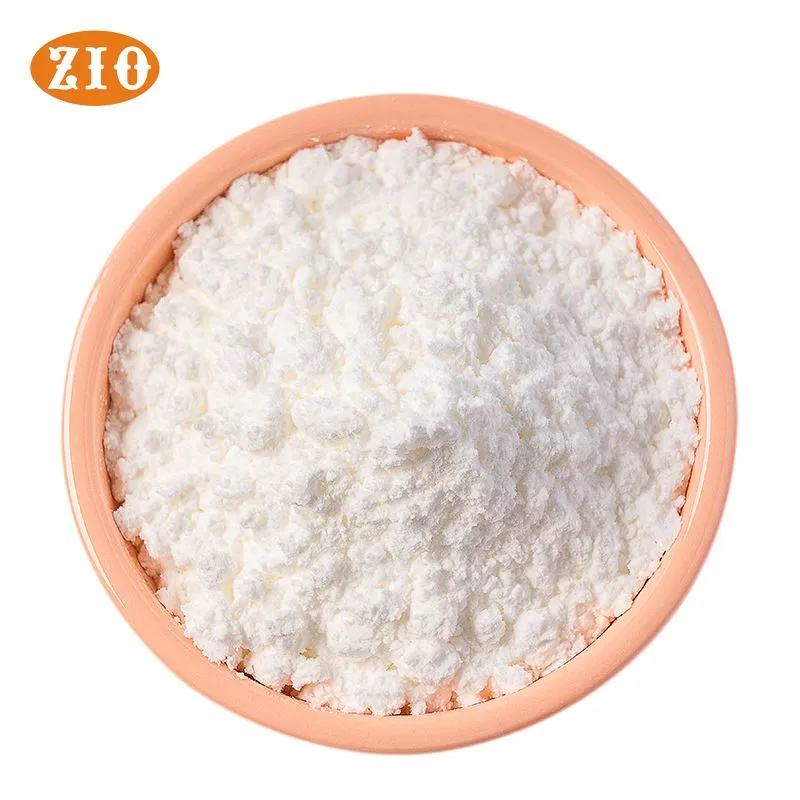


Product Overview
High-purity Lactose Monohydrate manufactured under strict GMP compliance. It functions as a highly efficient excipient, binder, and filler for pharmaceutical tableting, capsule filling, and infant nutrition formulations. Engineered for reliable compaction properties and exceptional batch-to-batch consistency.
Technical Specifications & Pharmacopeial Compliance
Every shipment is accompanied by a batch-specific Certificate of Analysis (COA) complying with USP, EP, BP, and ChP standards:
|
Items |
Specifications |
Typical Value |
|
Appearance |
White crystalline granule or powder, odorless, tastes sweet. |
Meet the requirement. |
|
Solubility |
Soluble in water, but insoluble in ethanol, chloroform and ethyl ether. |
Meet the requirement. |
|
Specific Optical Rotation |
+52.3°~+52.6° |
+52.3° |
|
Water / Crystalline Moisture (Karl Fischer, %) |
4.5~5.5 |
5.0 |
|
Content (%) |
98.0~102.0 |
99.7 |
|
Residue on Ignition (%) |
≤1.0 |
0.03 |
|
Loss on Drying / Free Moisture (%) |
≤1.0 |
0.11 |
|
Elemental Impurities (Compliant with ICH Q3D) |
≤5ppm |
Meet the requirement |
|
Arsenic (As) |
≤2 ppm |
Meet the requirement |
|
pH |
4.0~7.0 |
4.8 |
|
Total Aerobic Microbial Count (TAMC) |
≤ 1000 cfu/g |
< 10 cfu/g |
|
Total Combined Yeasts and Molds Count (TYMC) |
≤100 cfu/g |
< 10 cfu/g |
|
Escherichia coli |
Cannot be detected |
Meet the requirement |
Core Advantages & Technical Evidence
High Purity (99.7% Assay)
Fact: Meets top-tier pharmacopeial standards.
Science: Multi-stage crystallization removes reducing sugars, preventing Maillard (browning) reactions with amine APIs.
Low Moisture & High Flowability
Fact: Free moisture (LOD) ≤0.11%; stable crystal moisture at 5.0%.
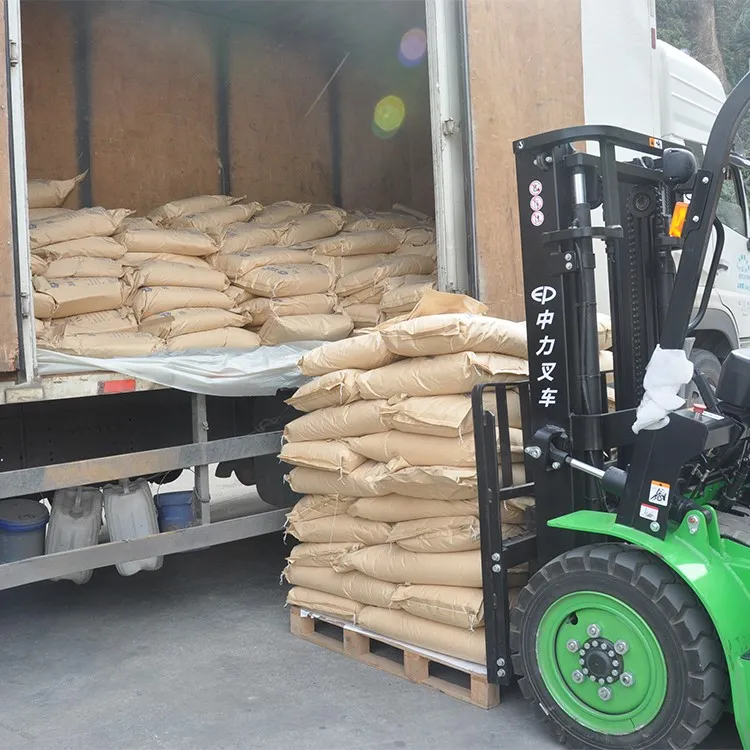
Result: Fluidized-bed drying eliminates surface water, preventing transit caking and ensuring smooth, high-speed tableting.
Strict Microbe Control
Fact: Ultra-low bioburden (TAMC/TYMC < 10 cfu/g); E. coli undetected.
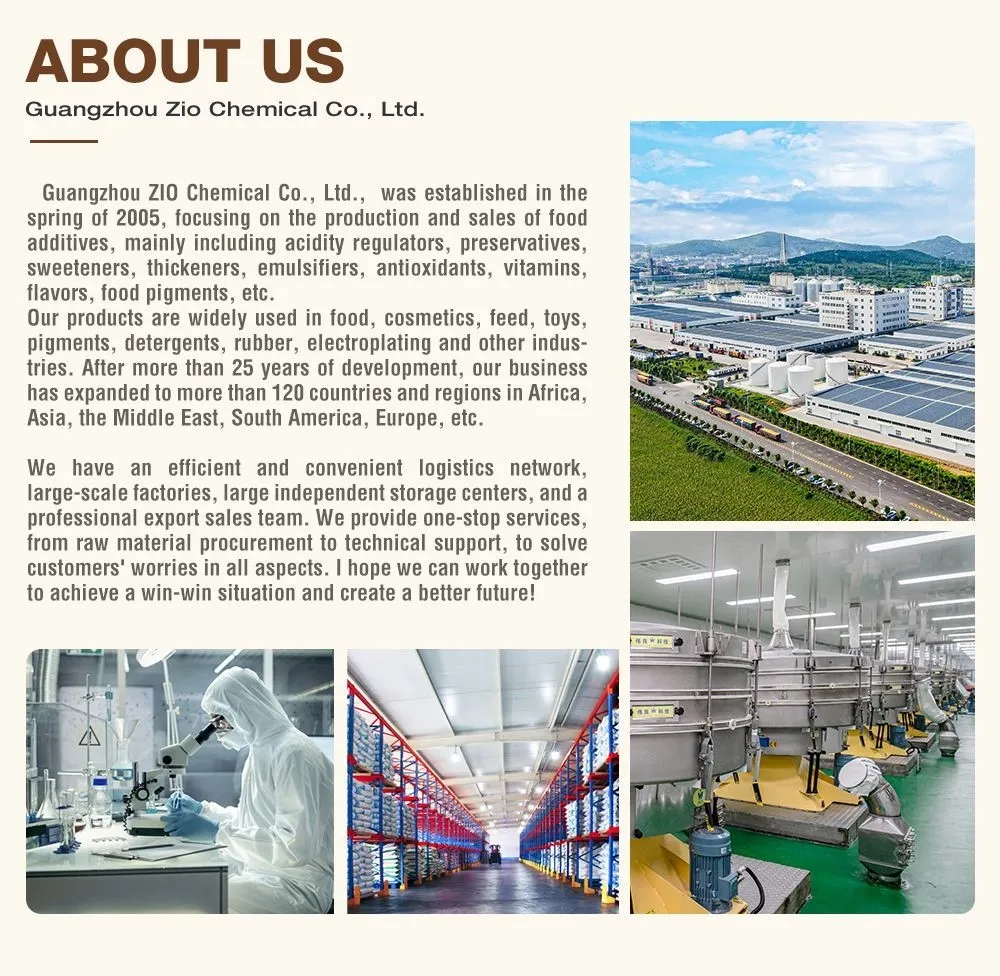
Infrastructure: Automated, closed-loop ISO 8 (Class 100,000) cleanrooms eliminate cross-contamination.
Applications & Grade Selection Guide
Lactose particle size and physical form strictly dictate its performance in solid dosage and nutritional manufacturing. Review our selection guide below to match your specific process requirements:
|
Mesh / Grade Size |
Core Applications |
Optimized Manufacturing Process |
|
100 Mesh / 200 Mesh (Fine Crystalline Powder) |
• Standard tablets • Hard gel capsule filling • Nutritional powder blends |
Wet Granulation & Encapsulation Provides excellent binding capacity and uniform blending with APIs. |
|
Direct Compression (DC) Lactose Excipient (Spray-Dried / Agglomerated) |
• High-speed tableting • Moisture-sensitive formulations |
Direct Compression (DC) Engineered for exceptional powder flowability and optimal tablet hardness without granulation. |
|
Infant Formula Grade |
• Premium infant nutrition • Dairy-based functional foods |
Wet/Dry Mixing (Food Standard) Strictly monitored for nitrate, nitrite, and ultra-low microbiological limits in full compliance with global infant nutrition food safety regulations (e.g., EU, FDA). |
Customization Available: Need a specific particle size distribution (PSD) for a challenging formulation? We offer customized milling and sifting (from 60 mesh to 325 mesh). Contact our technical team for custom specs.
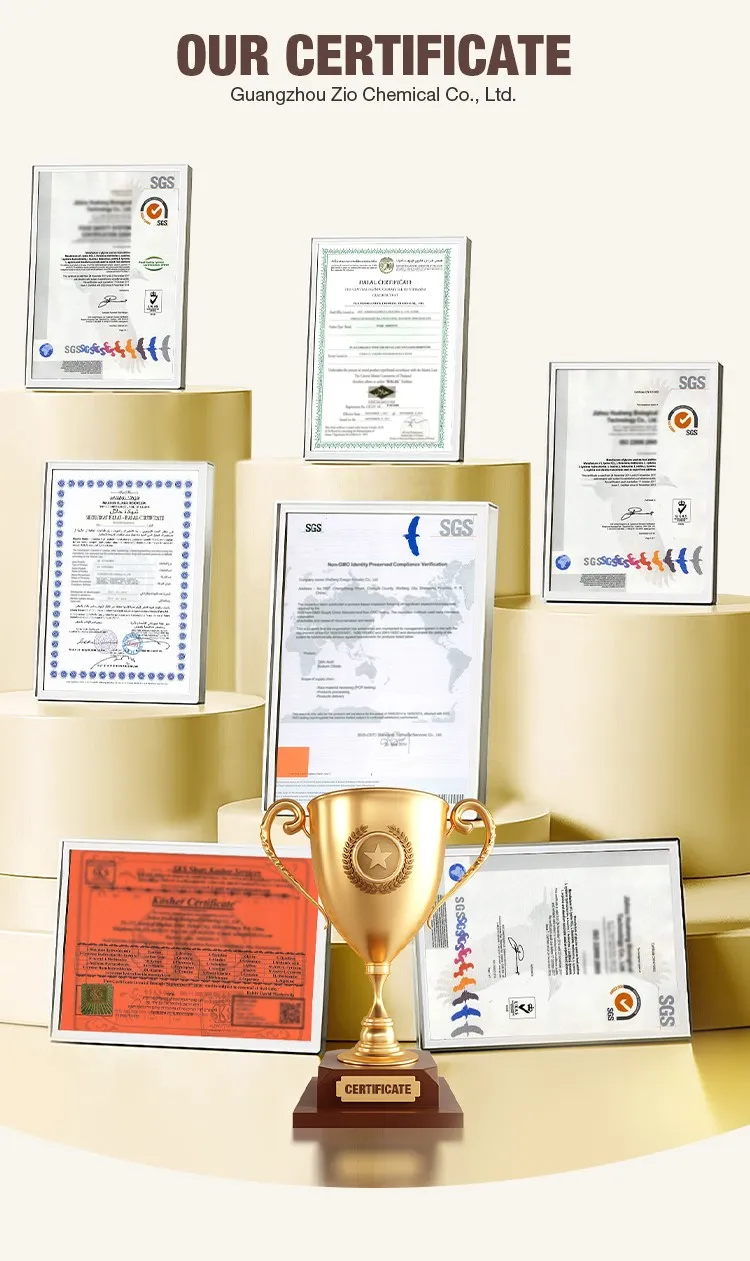
Regulatory Qualifications & Certifications
To ensure seamless regulatory approval for your formulations, our manufacturing facility and product line hold the following global credentials:
GMP Certified Facility – Fully audited production lines for pharmaceutical-grade excipients.
Regulatory Documentation Supplied – DMF (Drug Master File) registered, CEP/COS available upon request.
Global Food Safety Standards – ISO 9001, ISO 22000, FSSC 22000 certified.
Dietary Compliance – Kosher and Halal certified.
Statements Available – TSE/BSE-Free Statement, Allergen Statement, and Non-GMO Declaration.



FAQ
Hot Tags: lactose monohydrate anhydrous, China lactose monohydrate anhydrous manufacturers, suppliers, Acesulfame K AK Sugar Sweetener, Food Grade Aspartame Sweetener, Lactose Monohydrate Anhydrous, Maltitol Sweetener Powder and Liquid, Sodium Saccharin Sweetener Powder, Strawberry Ice Cream Powder