



Products Description
Chemical formula: C33H47NO13
Molecular weight: 665.725
CAS number: 7681-93-8
EINECS number: 231-683-5
Boiling point: 952.2℃
Flash point: 529.7℃
Appearance: Nearly white or cream-yellow crystalline powder
Solubility: Almost insoluble in water, slightly soluble in methanol, soluble in acetic acid and dimethyl sulfoxide
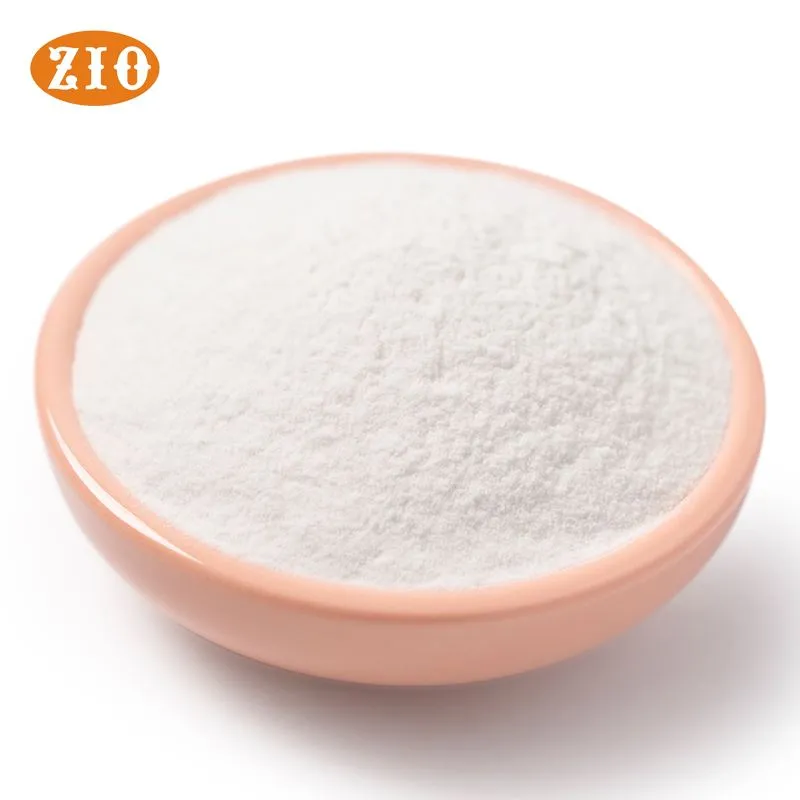
Natamycin is an organic compound with the chemical formula C33H47NO13. It is a nearly white or cream-yellow crystalline powder. It is a natural antifungal compound produced by fermentation of Streptomyces bacteria. It belongs to the polyene macrolide class. It can effectively inhibit the growth of various molds and yeasts, and also inhibit the production of fungal toxins. It can be widely used in food preservation and freshness maintenance as well as in antifungal treatment.
Products Application
Food Applications
Natamycin is a natural, broad-spectrum, highly effective and safe inhibitor of yeast and mold fungi. It not only inhibits fungi but also prevents the production of mycotoxins. Natamycin is harmless to the human body and is difficult to be absorbed by the human digestive tract. Moreover, microorganisms have difficulty developing resistance to it. Additionally, due to its low solubility and other characteristics, it is usually used for surface preservation of food. It is a biological preservative.
Cheese
Natamycin can prevent cheese from developing mold during maturation, thereby limiting the formation of mycotoxins. As it is difficult to penetrate the cheese and only stays on the surface, it has significant advantages in controlling the growth of mold on the surface of cheese and does not affect the maturation process. There are three specific application methods:
(1) Spray 0.05% to 0.28% of Natamycin on the surface of cheese products.
(2) Soak the salted cheese in a 0.05% to 0.28% concentration suspension for 2 to 4 minutes.
(3) Add 0.05% of Natamycin to the coating covering the cheese.
Fried Dough Balls (Guangdong-style mooncakes)
Mooncakes are rich in nutrition. The crust, filling, and salted egg yolks often develop mold. Natamycin has a good anti-mold effect on mooncakes. When used, it is generally applied by spraying: Mix the Natamycin product into a 0.02% to 0.04% suspension, cool the baked cheese to room temperature, and then spray the Natamycin suspension around and at the bottom of the mooncakes to complete the external mold prevention. For raw salted egg yolks, bake until about 70% done, remove and cool, then immerse in the Natamycin suspension for about 2 minutes to prevent mold in the egg yolk filling.
Bread and Pastries
Spray a 100 to 500 ppm Natamycin solution on the surface of baked foods such as cakes, white bread, and shortbread, or spray Natamycin on the surface of uncooked dough. The anti-mold and preservation effect is very ideal, and it does not affect the taste of the product. Meat products
By using the methods of soaking or spraying on meat products, when using 4mg/cm2 of natamycin, it can achieve a safe and effective anti-mildew effect. Soaking the intestines in a 0.05% - 0.2% (w/V) concentration of natamycin suspension, or spraying it on the surface of stuffed sausages, can effectively prevent mold growth on the surface of sausages. For grilled products such as grilled meat, grilled duck, and dried fish products, spraying a 0.05% - 0.1% (w/V) concentration of natamycin suspension can also extend the shelf life of the products. Salad dressing
Salad dressing is a high-fat food. Mold often occurs in it after the onset of summer each year. It has been reported in the literature that adding 10 ppm natamycin to salad dressing did not cause any spoilage during the experiment, and the microbial count did not show significant changes. Salad dressing is similar to cheese, with a high fat content. The experiment demonstrated that natamycin has a definite antibacterial effect on high-fat foods.
Soy sauce
In the summer when the temperature is high, adding 15 ppm natamycin to soy sauce can effectively inhibit the growth and reproduction of yeast and prevent the appearance of white spots. Combining natamycin with lactic acid streptococcal antibiotics for mold prevention in soy sauce can more effectively inhibit bacteria and reduce the antibacterial concentration.
Beverages
Since various fruit juices have high sugar content and organic acid content, they are suitable for the growth and reproduction of yeast, causing the spoilage and deterioration of the juice. Using natamycin to increase the stability of non-alcoholic beverages can be effective. Grape juice: Using 20 ppm natamycin can prevent the fermentation of juice caused by yeast contamination. Adding 100 ppm can completely terminate the fermentation activity. Orange juice: Due to contamination by fungi under natural conditions, orange juice usually spoils after one week. Adding natamycin, even at a low dose of 1.25 ppm, can extend the shelf life to up to 8 weeks when stored at 2℃ - 4℃. The antibacterial effect of natamycin is related to the storage temperature. For concentrated orange juice stored at 10℃, 10 ppm can inhibit the growth of yeast; at room temperature, 20 ppm natamycin is required for antibacterial effect. Apple juice: 30 ppm natamycin can prevent the fermentation of apple juice for up to 6 weeks, and the original flavor of the juice remains unchanged. Tomato juice: 70 mg/kg concentration of natamycin has a good anti-mold and preservation effect on tomato juice. Other
In the use of rice cakes and steamed buns, it can prevent mold growth and effectively extend the shelf life. In condiments such as vinegar, the naltrexone used can prevent spoilage caused by mold and yeast. In beer and wine, 2.5mg/kg of naltrexone can significantly extend the shelf life. Additionally, adding 5-10ppm of naltrexone to yogurt can extend the product's shelf life by more than 4 weeks.
Pharmaceutical uses
Naltrexone is used to treat fungal infections, including Candida, Aspergillus, Fusarium, etc., and is also used as eye drops or oral medications. In these applications, the human body absorbs less naltrexone. When taken orally, it is basically not absorbed through the gastrointestinal tract, so it is not suitable for systemic infections. Naltrexone is also used in eye drops, and its 5% naltrexone content is suitable for treating fungal keratitis, conjunctivitis, and keratitis caused by microorganisms, including Fusarium keratitis.
Products Qualification



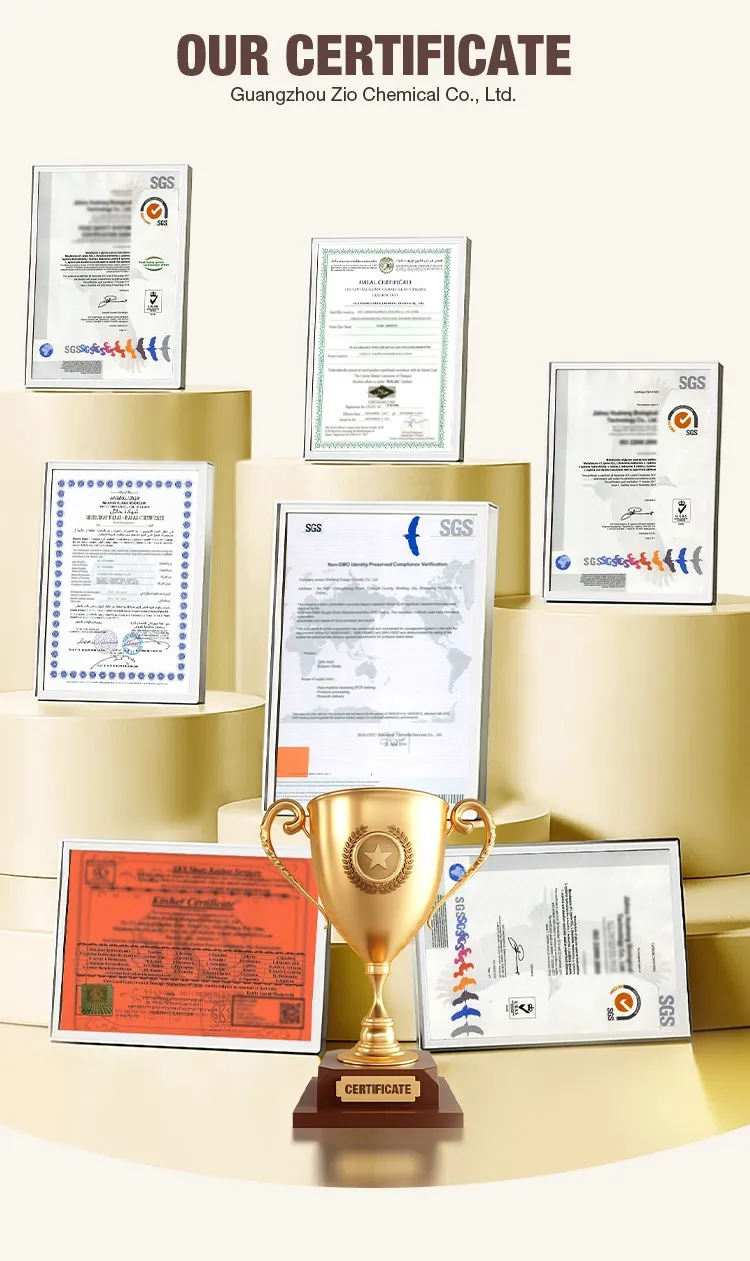



Hot Tags: natamycin preservative, China natamycin preservative manufacturers, suppliers