



Products Description
Product name: Vitamin B2
Common names: Riboflavin, Vitamin B2, Type II Vitamin
Molecular formula: C17H20N4O6
Molecular weight: 376.37
CAS number: 83-88-5
EINECS number: 201-507-1
Optical rotation: -135° (c=5, 0.05 M NaOH)
Density: 1.7 g/cm³
Melting point: 290 ℃
Boiling point: 715.6 ℃
Flash point: 386.6 ℃
Water solubility: Slightly soluble in water
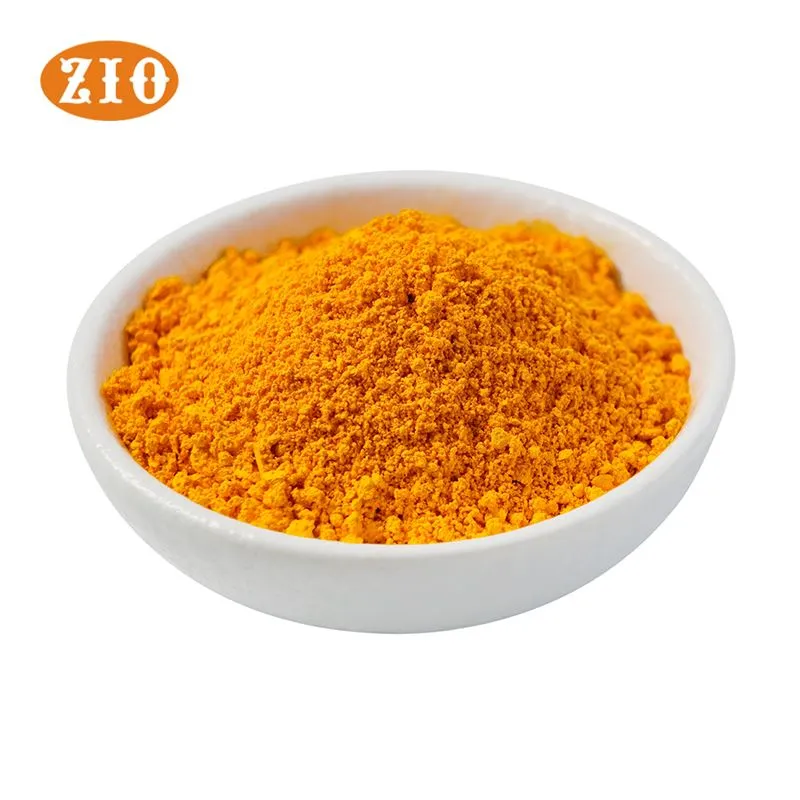
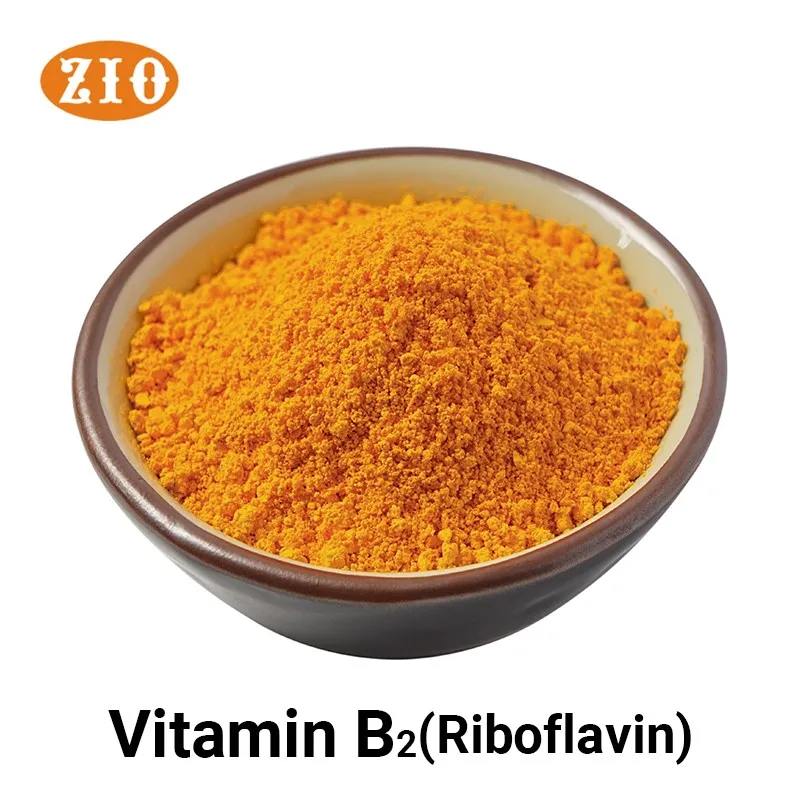
Appearance: Yellow or orange crystalline powder
Formulation: Oral sustained-release formulation, injection
Drug type: Vitamin class
Water-soluble vitamins, but slightly soluble in water. At 27.5℃, the solubility is 12mg/100mL. They can be dissolved in sodium chloride solution, and are easily soluble in dilute sodium hydroxide solution. They are prone to dissolution in alkaline solutions and stable in strong acid solutions. Resistant to heat and oxidation. Light and ultraviolet radiation cause irreversible decomposition.
Physiological Function
This is mainly related to the presence of the reactive conjugated double bond at the 1,5 position of the isoquinoline ring in the vitamin B2 molecule. It can act as both a hydrogen donor and a hydrogen carrier. In the human body, it participates in redox reactions in the form of flavin adenine dinucleotide (FAD) and flavin mononucleotide (FMN), playing the role of hydrogen transmission. It is a coenzyme for some important redox enzymes in the body, such as succinate dehydrogenase, xanthine oxidase, and NADH dehydrogenase, etc.
The main biochemical reactions involved include energy production through the respiratory chain, oxidation of amino acids and lipids, conversion of purine bases to uric acid, hydroxylation of aromatic compounds, synthesis of proteins and certain hormones, transport, storage and mobilization of iron, and participation in the metabolism of folic acid, pyridoxal, and nicotinic acid, etc.
It participates in intracellular bio-oxidation and energy metabolism, is related to the metabolism of carbohydrates, proteins, nucleic acids and fats, can increase the body's utilization rate of proteins, promote growth and development, maintain the integrity of the skin and cell membranes. It has the function of protecting the hair follicle mucosa and sebaceous glands of the skin.
2. It participates in the growth and metabolism of cells, and is a necessary nutrient for the metabolism and repair of body tissues. For example, it can enhance liver function and regulate the secretion of adrenaline.
3. It participates in the metabolism of vitamin B6 and nicotinic acid, serving as a model of the coordinated action of B vitamins. FAD and FMN act as cofactors in the conversion of tryptophan to nicotinic acid and the conversion of vitamin B6 to pyridoxal phosphate.
4. It is related to the absorption, storage and mobilization of iron in the body.
5. It also has antioxidant activity, possibly related to flavoprotein-glutathione reductase.
Absorption and Metabolism
Most of the vitamin B2 in the diet is bound to proteins in the form of flavin mononucleotide (FMN) and flavin adenine dinucleotide (FAD) coenzymes. After entering the stomach, it separates from proteins under the action of gastric acid and is transformed into free vitamin B2 in the upper digestive tract. Then, it is absorbed in the upper part of the small intestine. When the intake is large, the liver and kidneys often have higher concentrations, but the body's ability to store vitamin B2 is limited. Beyond the renal threshold, it is excreted from the body in the form of free substances through the urinary system. Therefore, the daily needs of body tissues must be supplied by the diet.
Product Application
1. Promote development and cell regeneration;
2. Facilitate the normal growth of skin, nails, and hair;
3. Help prevent and eliminate inflammatory reactions in the mouth, lips, tongue and skin, collectively known as oral-genital syndrome;
4. Improve vision and relieve eye fatigue;
5. Affect the body's absorption of iron;
6. Combine with other substances to influence biological oxidation and energy metabolism.
The main physiological function of vitamin B2 is to act as a coenzyme to promote metabolism. Riboflavin combines with phosphate and one molecule of protein to form flavoprotein. This type of enzyme is also called dehydrogenase, and it is important because it very effectively mediates the transfer of hydrogen atoms, which is crucial for the metabolism of sugars, lipids, and amino acids. It is an essential factor for the growth of many animals and microorganisms.
Vitamin B2 combines with specific proteins to form flavoprotein. Flavoprotein plays the role of transferring hydrogen in substance metabolism and participates in the respiratory process of tissues.
Product Details
Product Qualification









Hot Tags: vitamin b2 verdoflavin, China vitamin b2 verdoflavin manufacturers, suppliers