

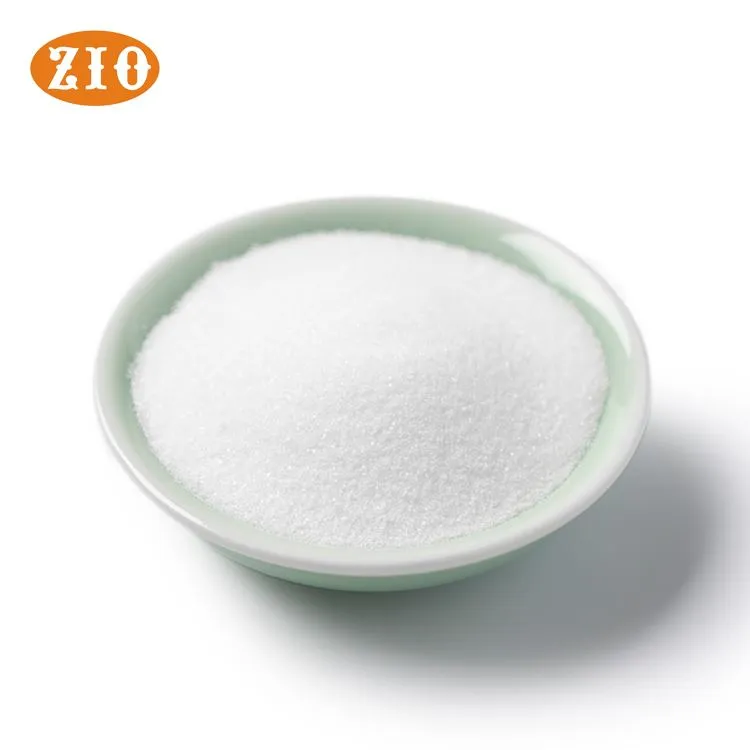


Products Description
Casein phosphopeptides are obtained by hydrolyzing casein with trypsin or chymotrypsin, and then refined and purified. Their core structure is: -Se r(P)-Se r(P)-Se r(P)-Glu-Glu-(Se r: serine, Glu: glutamic acid, P: phosphate group). The phosphate serine residues (-Se r(P)-) cluster together and carry a negative charge in the weakly alkaline intestinal environment, preventing the further action of digestive enzymes and allowing CPP to remain stable in the intestine without further hydrolysis. Domestic research has found that the lower the molar ratio of nitrogen to phosphorus in CPP, the shorter the peptide chain, the greater the density of phosphate groups, and the higher the purity of CPP. This also enhances the absorption and utilization of calcium.
Calcium can only be absorbed in an ionic form, and it is easily lost in neutral and weakly alkaline environments where it forms insoluble salts with acid root ions. The absorption effect of CPP on calcium is mainly manifested as its ability to combine with calcium in neutral and weakly alkaline environments, inhibiting the formation of insoluble precipitates and avoiding calcium loss. Eventually, it is passively absorbed due to the increase in free calcium concentration.
Products Application
Promote the absorption of calcium by the small intestine
The cereal foods in human diet contain a large amount of phytic acid, inositol hexaphosphate and other high-phosphorus components. In the environment of pH 7-8 at the lower end of the small intestine, these substances combine with calcium to form calcium phosphate precipitates. CPP can inhibit the formation of calcium phosphate precipitates, maintaining a high concentration of free calcium and promoting passive absorption of calcium, becoming another way for vitamin D to act as a calcium absorption promoter.
Promote the utilization of calcium by bones
Animal experiments have shown that CPP can promote calcium absorption and utilization, weaken the action of osteoclasts and inhibit bone reabsorption.
Promote the utilization of calcium by teeth
It was previously believed that chewing milk after meals could stimulate saliva secretion, allowing alkaline saliva to buffer the acidic substances on dental plaque and prevent the corrosion of tooth enamel, which is helpful in preventing the occurrence of dental caries. Recent studies have found that CPP contained in cheese can combine calcium ions in food at carious sites, reducing enamel demineralization and achieving the purpose of anti-caries.
Research has found that sperm in the culture medium containing CPP have significantly higher ability to penetrate egg cells and can reduce the degree of sperm variation, making embryo development more stable. CPP can also increase the bioavailability of metal ions such as iron, zinc, and magnesium, thus being called a peptide substance with metal carrier function. Currently, CPP has been applied in foods and health supplements such as children's curry rice, beverages, chewing gum, etc. in foreign countries. Research and application in the treatment of calcium deficiency in children, osteoporosis in the elderly, infertility, and dental care are also underway. Because CPP is a polypeptide extracted from natural proteins, it has the advantages of low adverse reactions and high safety, and will be widely used. Foreign studies have investigated the sensitization reactions of casein, skimmed milk protein, and CPP, and found that the sensitization of CPP is very small, indicating that it can be applied to individuals with milk allergies. However, it should also be noted that the factors affecting the action of CPP are very complex, and the role of CPP in the calcium metabolism process still needs in-depth research.
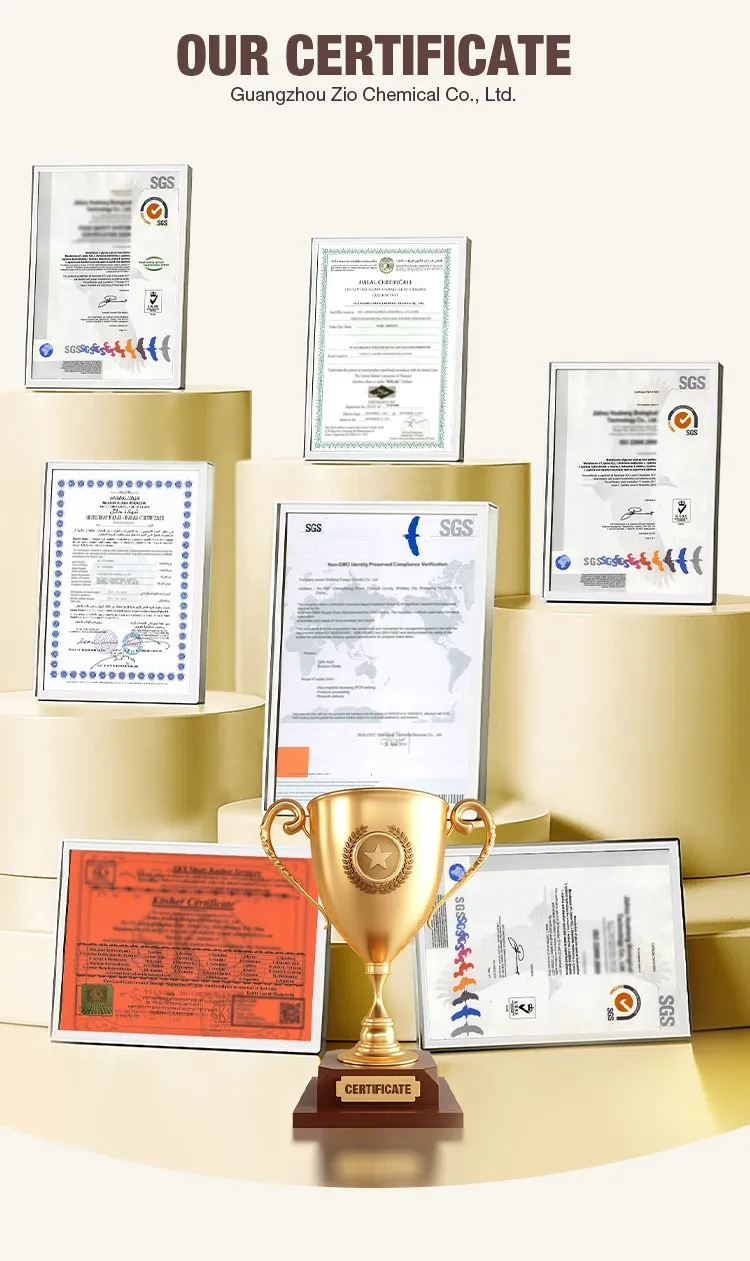
Products Qualification





Hot Tags: casein petide phosphate, China casein petide phosphate manufacturers, suppliers