



Products Description
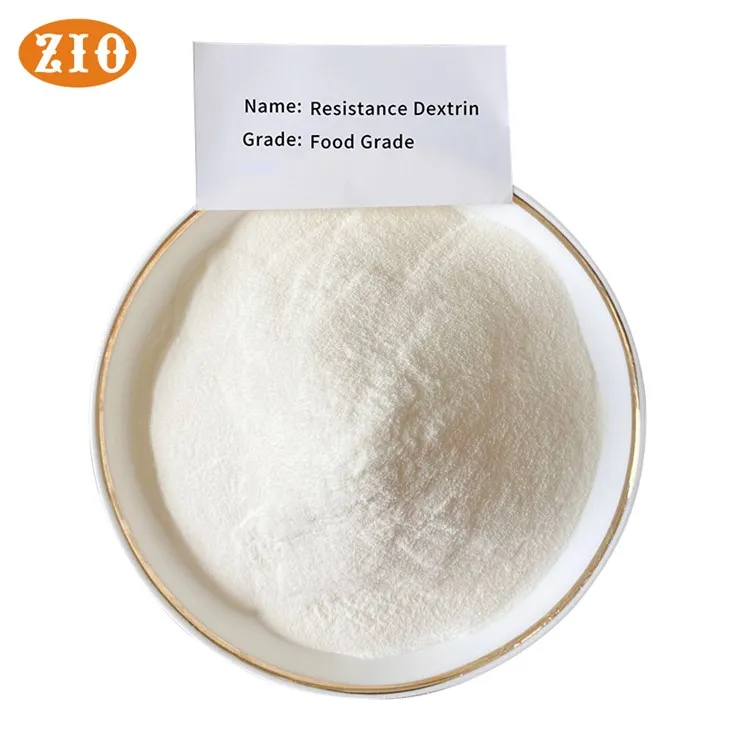
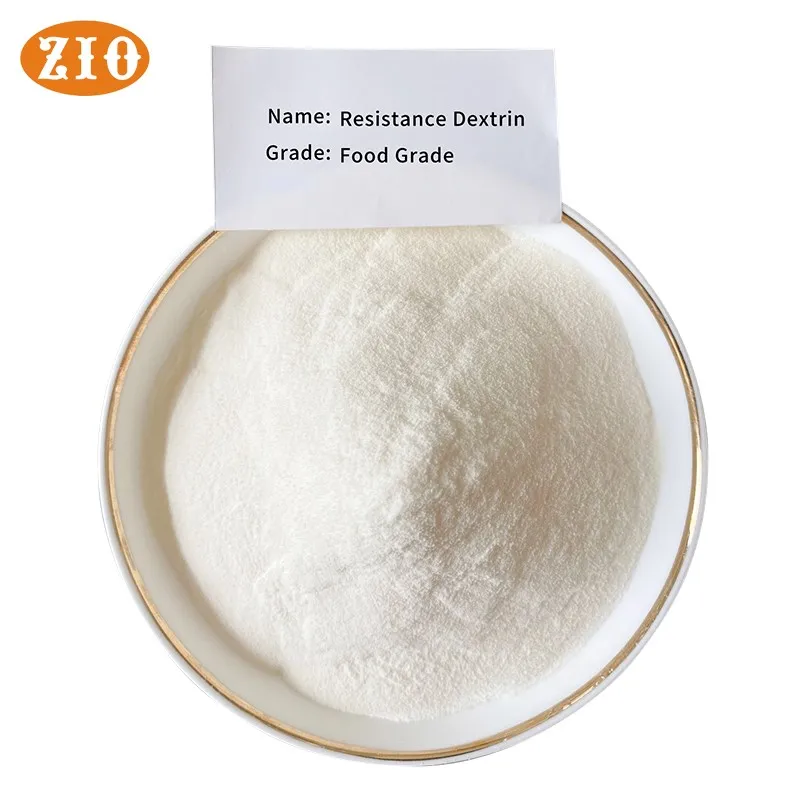
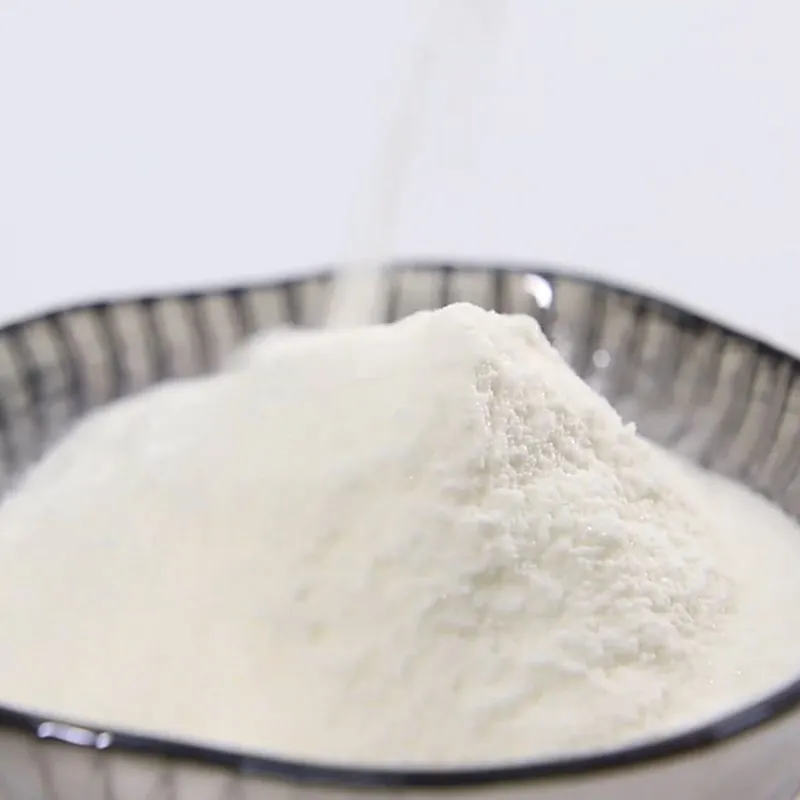
Resistant dextrin is a white to pale yellow powder with a slight sweet taste, no other unpleasant odors. It is highly water-soluble. The 10% aqueous solution is transparent or pale yellow, with a pH value ranging from 4.0 to 6.0. The viscosity of the aqueous solution of resistant dextrin is very low, and the changes in viscosity caused by shear rate and temperature are minimal. Resistant dextrin has low heat content, is heat-resistant, acid-resistant, and freeze-resistant. It can be used as a low-calorie soluble food raw material and has broad prospects in the food industry.
Resistant dextrin is processed from starch. It is a low-calorie glucan obtained by extracting and refining the indigestible components of baked dextrin using industrial technology. It belongs to low-molecular water-soluble dietary fiber. Through methylation analysis, it has a more complex branching structure than the raw starch. It is speculated that these branching structures are formed by the internal dehydration of reducing glucose termini or the transfer of disaccharide residues to any hydroxyl group during the heating decomposition of starch. Resistant dextrin is different from the usual starch enzyme decomposition products. In addition to the α-1, 4 and α-1, 6 glucose glycosides originally possessed by the starch, it also has α-1, 2 and α-1, 3 bonded glucose glycoside structures, and there are intramolecular dehydrated glyco-polyglucans and β-1, 6 glucose glycoside structures at the reducing end. In addition to the linear part, there are many irregular structures. Because starch undergoes transfer reactions and reverse synthesis reactions simultaneously during acid and heat decomposition, new combinations are formed.
Products Application
Applications in dairy products
Resistant dextrin can be added simply like sugar or sugar substances without affecting the original flavor of the food, and can thus be applied in the production of food fiber-enriched dairy products or milk beverages that supplement dietary fiber. Due to its similar texture to fat and low calories, resistant dextrin can also be used as a low-calorie malt dextrin that matches the flavor of dairy products, for example, replacing part of sugar or fat to prepare low-calorie ice cream, low-fat yogurt drinks, etc. In recent years, the consumption of fermented milk and lactic acid beverages has increased, and the addition of resistant dextrin has enabled the full utilization of the biological functions of resistant dextrin and intestinal beneficial bacteria such as lactobacillus and bifidobacterium, thereby generating a significant multiplicative effect.
Applications in infant food
Infants, especially after weaning, have a sudden decrease in bifidobacteria in their bodies, leading to diarrhea, anorexia, delayed development, and reduced utilization of nutritional components. Consuming water-soluble resistant dextrin food can improve the utilization of nutrients and promote the absorption of trace elements such as calcium, iron, and zinc.
Applications in baked goods
Adding different types of dietary fibers to bread, steamed buns, rice, and noodles can increase and improve the color of the bread. Adding 3% to 6% of dietary fiber to the dough can strengthen the dough's elasticity, resulting in good texture of steamed buns and a special aroma. The strength of noodles decreases after addition, but it increases after cooking. Generally, the treated noodles have good toughness and are resistant to boiling and soaking. In cookies and pastries, the sugar and oil content is high, and the moisture content is relatively low, making it necessary to add dietary fibers. The baking of cookies requires very low requirements for the elasticity of the flour, making it easy to add resistant dextrin in large quantities, which is more conducive to the production of various health cookies with fiber functions; pastries contain a large amount of moisture during production, and baking will solidify into soft products, affecting quality. Water-soluble resistant dextrin added to pastries can maintain the softness and moisture of the products, increase the shelf life, and extend the storage time.
Applications in meat products
Dietary fibers interact with proteins through salt and hydrophobic bonds to form thermally stable gels. The complex formed by the interaction of soluble dietary fibers with proteins is a new type of gel. Moreover, dietary fibers can absorb flavor substances and prevent their volatilization. Adding a certain amount of dietary fibers can increase product yield, enhance taste and quality; water-soluble dietary fibers can be used as an excellent fat substitute, producing ham sausages with high protein, high dietary fiber, low fat, low salt, and health functions.
Products Details
Products Qualification









Hot Tags: resistant dextrin, China resistant dextrin manufacturers, suppliers