

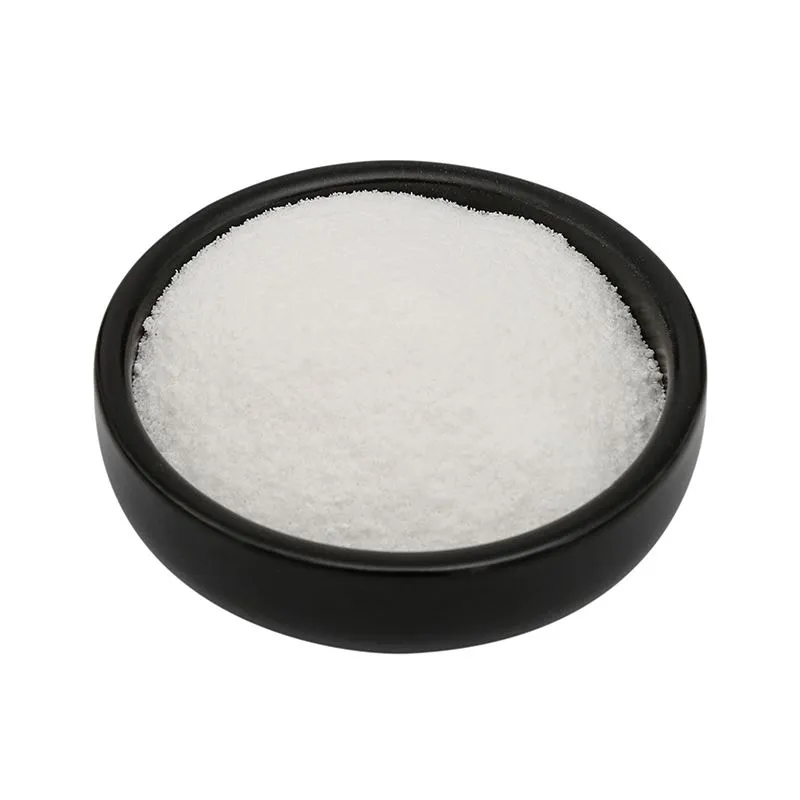


Product Overview
As an ISO-certified manufacturer, Zio Ingredients supplies high-purity Preservative Calcium Propionate (CAS No. 4075-81-4) directly to global food processors and B2B distributors. Our product serves as an industrial-grade anti-mold agent and preservative, specifically optimized to extend the shelf life of bakery products and animal feed without compromising yeast activity or flavor.
Grade: Food Grade / Feed Grade
Standard: Fully complies with FCC V (Food Chemicals Codex) and EU regulation standards.
Technical Specifications & Verified Analysis
Every shipment undergoes strict batch testing. Below are the verified parameters from our latest Certificate of Analysis (COA):
|
Items |
Specifications |
Analysis Results |
|
Description |
White crystals or white powder |
White powder |
|
Assay (as Calcium Propionate, on dried basis) (%) |
98.0-100.5 |
99.0 |
|
Assay (on the anhydrous basis, as C3H6O2) (%) |
≥98.0 |
98.2 |
|
pH (10% aqueous solution) |
7.5~10.5 |
8.9 |
|
Fluoride (%) |
≤0.003 |
<0.003 |
|
Insoluble substances (%) |
≤0.2 |
0.04 |
|
Lead (mg/kg) |
≤2 |
<2 |
|
Magnesium (as MgO) (%) |
Passed the test (about 0.4%) |
Passed the test |
|
Water (%) |
≤5.0 |
4.2 |
|
Conclusion |
Meets the requirements of the FCC V standard. |
|
Conclusion: The batch strictly meets the standard of FCC V. Form signed and authorized by our Quality Control Laboratory.
Core Advantages
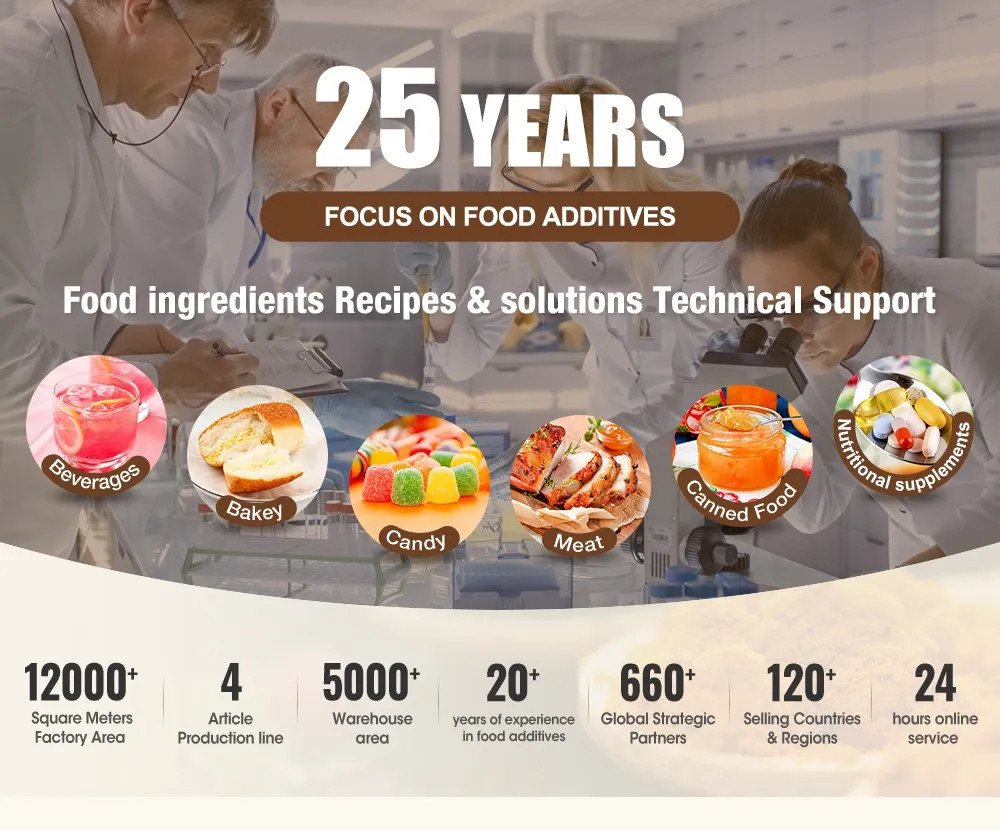
Maintains consistent anti-mold efficacy by suppressing rope bacteria and fungal growth to help extend bakery shelf life safely.
Meets international safety thresholds with heavy metal impurities like Lead and Fluoride kept strictly below FCC V limits.
Processed with specialized drying technology to deliver free-flowing powder that reduces caking during long-distance maritime transit.
Maintains a highly stable pH range of 7.5 to 10.5 in standard solution, allowing it to inhibit mold without interfering with standard yeast fermentation.
Refined to minimize water-insoluble substances down to a typical 0.04%, ensuring clean dissolution in automated industrial mixers.
Applications & Recommended Dosage
To support your R&D and production formulations, Zio Ingredients provides the following general application guidelines based on industry standards:
Bread and Bakery Products: Inhibits mold spores and Bacillus mesentericus (rope bacteria). Recommended usage ranges from 0.1% to 0.4% based on total flour weight, depending on seasonal storage humidity.
Animal Feed and Silage: Prevents fungal spoilage and preserves nutritional value during prolonged storage. Recommended usage is typically 0.5 to 2.0 kg per metric ton of complete feed.
Institutional Compliance & Factory Capability
To meet international food safety transparency requirements, our manufacturing facilities operate under the following verified frameworks:
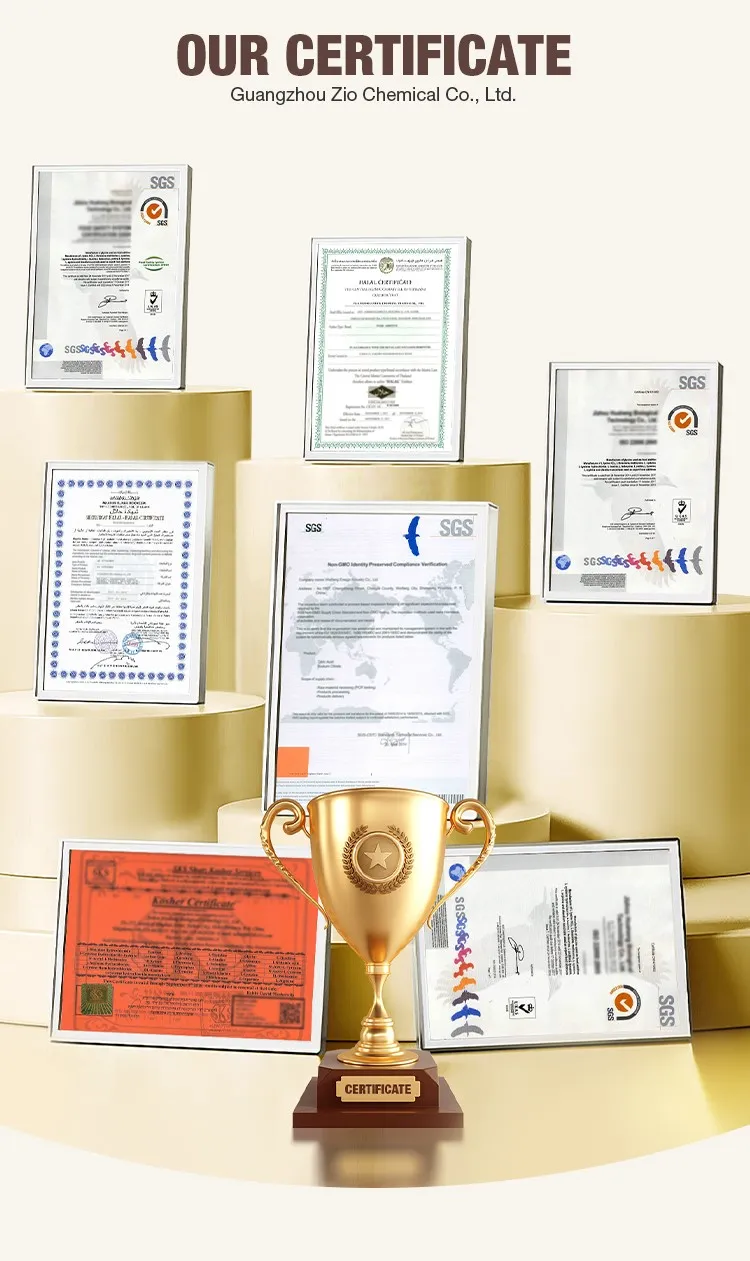
Certifications: ISO 9001, ISO 22000, HACCP, HALAL, KOSHER, and FDA Registered.
Traceability: We operate an in-house HPLC and Atomic Absorption Spectroscopy lab. A physical counter-sample of every shipped batch is retained in our archive for 2 years to guarantee quality traceability.
Audit Welcomed: Third-party factory audits (SGS, Intertek) can be arranged upon request for long-term supply agreements.
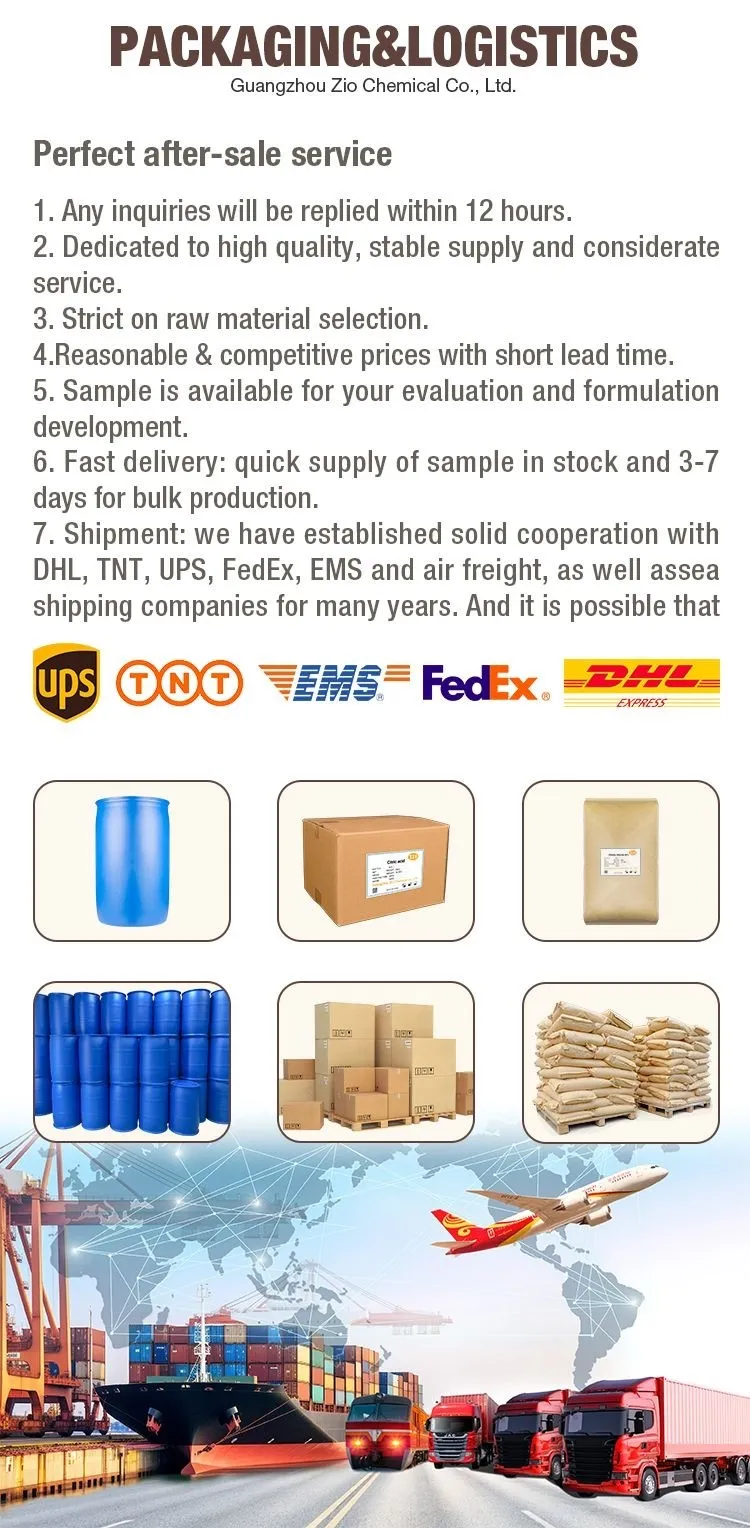
Packaging & Logistics
Standard Packaging
25kg multi-layer Kraft paper bags with PE inner liner.
Palletization
Securely palletized, strapped, and shrink-wrapped to withstand moisture during maritime transport.
Container Loading
Standardized loading protocols to optimize volume and protect cargo integrity during transit.
Packaging & Logistics
Standard Packaging
25kg multi-layer Kraft paper bags with PE inner liner.
Palletization
Securely palletized, strapped, and shrink-wrapped to withstand moisture during maritime transport.
Container Loading
Standardized loading protocols to optimize volume and protect cargo integrity during transit.
Technical Documentation
To streamline your compliance and import review processes, please contact our export department to request the official, up-to-date versions of the following compliance documents:
Material Safety Data Sheet (MSDS)
Technical Data Sheet (TDS)
Batch-Specific Certificate of Analysis (COA)



FAQ
Hot Tags: preservative calcium propionate, China preservative calcium propionate manufacturers, suppliers, Natamycin Preservative, Potassium Sorbate Food grade Beverage Preservative, Preservative Calcium Propionate, Preservative Nisin Powder, Preservative Sodium Diacetate, preservatives